 Retro Replay Retro Gaming History, Reviews & Emulation
Retro Replay Review
Gameplay
The first stretch gives Shadow of the Unicorn a strong hook. Switching among the King of Oronfall, his satyr friend, and a wizard immediately suggests that this will be a quest about choosing the right traveler for the job rather than simply marching one hero from left to right. Finding further controllable characters and expanding that roster to ten gives exploration a tangible reward beyond the next item on the checklist.
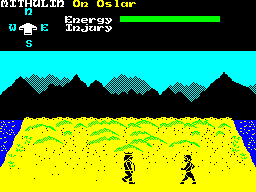
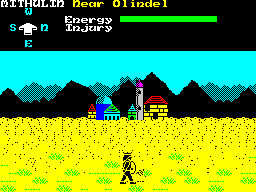
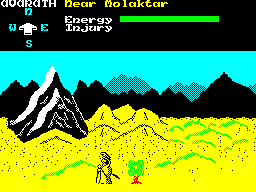
Travel is the game’s most distinctive wrinkle. The world is viewed from the side, but you use keys or a joystick to change the direction you are looking and move onward that way; a compass keeps track of the current view. That is a clever fit for an exploratory fantasy game, though it also asks you to stay alert. If you enjoy making mental notes about where you have been and treating direction as part of the puzzle, it can be absorbing. If you want immediate, frictionless navigation, it will feel fussy quickly.
There is pressure on every outing. Energy drains over time and magical bushes are needed to refill it, while hostile-creature encounters can inflict injuries. Combined with the need to locate scattered quest objects, that turns wandering into a resource-management problem. The system gives the search some stakes, but it can also make aimless exploration punishing. Slow down, use the compass deliberately, and do not treat every screen as somewhere to rush through.
Graphics
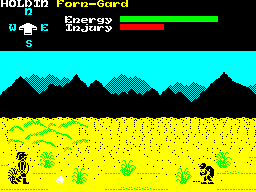
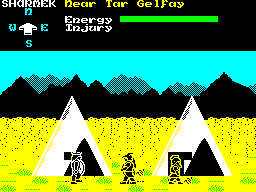
Shadow of the Unicorn uses side-view areas with a compass on screen to show your current direction, alongside energy and injury bars for the character under your control. The fixed or flip-screen structure suits its careful, stop-and-check style of exploration, even if the view is more functional than sweeping.
Story
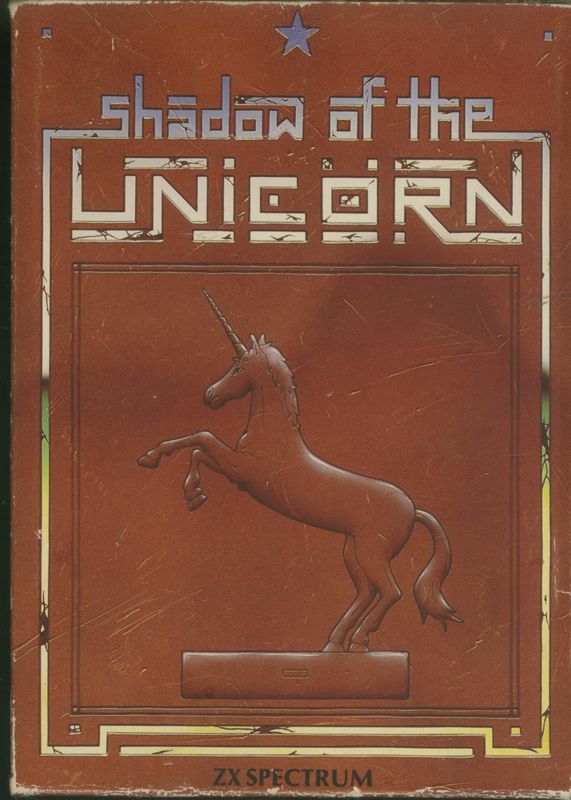
The quest begins after a magical book is unsealed and evil and chaos spill across two kingdoms. It is a clean fantasy setup, but the shifting cast gives it more shape than a lone-hero rescue mission: the king, satyr, wizard, and later recruits make the struggle feel shared.
Its story is tied closely to the search for objects needed to finish the quest. That makes the narrative less about constant dramatic turns and more about piecing together a damaged world through progress and discovery. The game’s accompanying novel also contains extra background and clues, making it part of the experience rather than mere packaging.
That reliance on external clues will divide you. With the novel in hand, the larger backstory has room to breathe and the quest has useful guidance. Without a taste for that sort of cross-referencing, the game’s mysteries may feel more opaque than inviting.
Overall Experience
Shadow of the Unicorn is most rewarding when you meet it on its own deliberate terms. It is an exploration puzzle with an action edge, not a fast-moving fantasy romp, and its best moments come from working out where to go, managing your character’s condition, and adding another member to the group.
Its frustrations are equally clear. Energy loss puts a timer on curiosity, injuries make encounters matter, and the directional travel system demands concentration. None of that makes for a casual pick-up-and-play session, but it gives the journey a wary, expedition-like rhythm that some Spectrum fans will appreciate.
Give it a chance if you like early fantasy games that expect you to investigate, remember routes, and consult written clues. Skip it if you need quick combat, direct objectives, or easy navigation. For the patient player, its multi-character quest has enough unusual texture to rise above a routine item hunt, even when the road through its two troubled kingdoms becomes stubborn.


Reviews
There are no reviews yet.