 Retro Replay Retro Gaming History, Reviews & Emulation
Retro Replay Review
Gameplay
The hook is immediate: Pegasus Bridge starts before the beaches are hit, when a small airborne force has to make a dangerous landing and grab objectives that matter far beyond their size. You can command either the British attackers or the German defenders, so the same battlefield supports two very different kinds of pressure. As Britain, you are trying to turn a scattered landing into a decisive foothold. As Germany, you have the defensive tools and the responsibility of stopping a potentially disastrous breakthrough.
The phased turn structure suits the subject. This is not a game about rushing units forward until something breaks; it asks you to think about order, position, and the condition of the men under your command. Fatigue and morale make a unit’s survival more than a simple count of soldiers, and that gives the fighting a welcome sense of strain. A force that reaches the bridge may not be in shape to hold it, which is exactly the sort of problem a platoon- and company-level game should make you confront.
The landing-site option is one of the smartest touches. Change it, and high winds can scatter your paratroopers, forcing you to adapt before the battle has properly begun. That uncertainty keeps repeat attempts from feeling like a fixed puzzle. Tanks, artillery, gun emplacements, gunboats, frogmen attempting to demolish the bridges, and air and naval fire support create multiple threats around the central objective, so you cannot afford to stare at infantry alone.
Frustration can set in if you want instant action or cleanly controlled plans. A scattered force, wavering morale, and the risk of demolition mean that setbacks compound quickly. But that is also where Pegasus Bridge earns its tension: success feels like something you assembled under pressure, not something handed to you by a generous scenario.
Graphics
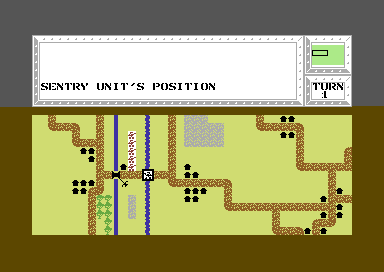
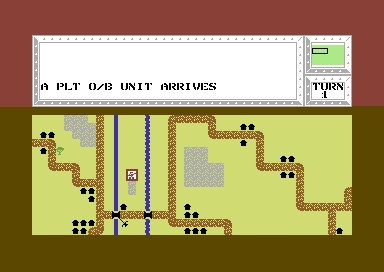
The game uses a top-down view suited to its tactical scale. It puts the focus on unit placement around the bridges and their approaches rather than on cinematic battlefield detail.
Story
This is historical drama told through a military situation rather than through character scenes. The scenario is rooted in Operation Deadstick, the British 6th Airborne Division’s night assault ahead of the Allied landings on 6 June 1944. The Caen Canal and River Orne bridges are not arbitrary map objectives; they are the key route east from Sword Beach.
That context gives the match a strong built-in narrative. A landing that goes badly, a bridge held at the last moment, or frogmen getting close enough to destroy it all change the emotional shape of the battle without requiring scripted storytelling. You make the story in the decisions that preserve—or squander—the mission.
Playing both sides also keeps the history from becoming a one-note victory lap. The British mission is urgent and exposed, while the German side turns the same terrain into a defensive problem of delay, denial, and counterpressure. That dual perspective is a real strength for anyone who likes historical games that treat both commands as playable challenges.
Overall Experience
Pegasus Bridge is a focused wargame, not a broad survey of the Normandy campaign. Its narrow scope works in its favor because every listed element points back to the same urgent question: can the bridges be taken, held, or destroyed before the larger invasion needs them? The result is a game with a clear purpose and little room for careless play.
Give it a chance if you enjoy turn-based World War II tactics where morale, fatigue, and imperfect deployment matter as much as the units on hand. The two-player and demo options add useful ways to revisit its central contest, and control of either army helps the scenario stay interesting beyond a single British run.
It will be a tougher sell if you mainly want a fast, spectacle-driven D-Day game. Its rewards are steadier and more tactical: studying the ground, recovering from a bad landing, protecting a vital crossing, and realizing too late that one neglected threat may decide the operation. For patient strategy fans, that payoff is worth the friction.


Reviews
There are no reviews yet.