 Retro Replay Retro Gaming History, Reviews & Emulation

Retro Replay Review
Gameplay
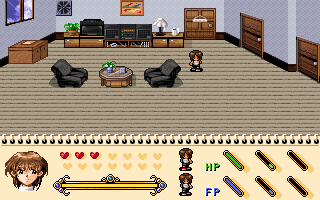
The first thing Darkside Story gets right is the reason you are fighting. Suhee is not simply charging through a city because the level scrolls that way; she is searching for her vanished father, and the trips through the city to question residents make each new lead feel like part of that search. The mix is straightforward but effective: wander into houses, speak to people, find the next piece of information, then handle the enemies blocking the way.
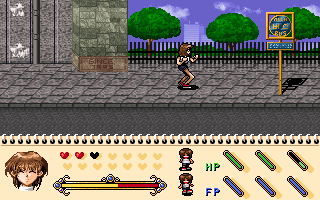
When fists start flying, this is a traditional side-view brawler with no mystery about its rules. You clear every enemy on the screen before moving onward, using punches, kicks, combinations, and special attacks. That familiarity can be comforting if you enjoy learning the rhythm of a basic beat-’em-up, but it also means the game can become a grind when an encounter outstays its welcome.
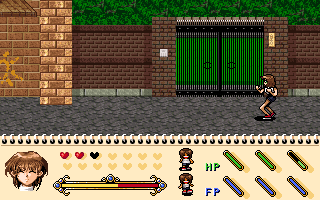
The special attacks add a worthwhile bit of risk because they consume HP rather than functioning as free panic buttons. Health is measured in hearts, Suhee begins with three, and story progress gradually increases the characters’ maximum health. Breaking barrels and other stage objects for recovery items gives you a reason to poke at the scenery, while also making it sensible to avoid wasting health early in a fight.
Later character availability helps the game avoid being locked entirely to Suhee’s starting attributes. Since characters differ from one another, it is more than a cosmetic change of lead. Darkside Story does not reinvent the brawler, but its investigation stretches break up the fighting often enough to give the action a better sense of direction.
Graphics
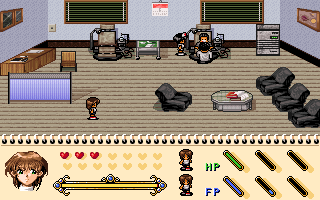
The action uses a side-view brawler perspective, keeping enemy groups, breakable barrels, and the space ahead of your character easy to read during fights. Outside combat, the journey through city districts and into houses gives the game a more grounded set of locations than a nonstop run of combat stages.
Story
The missing-person setup does much of the heavy lifting. Dr. O Sang Hyun disappears from his suburban home without a trace, leaving Suhee to pursue answers in shadier parts of the city. It is a simple motive, but a strong one: you understand immediately why she is talking to strangers and getting into fights.
What makes the premise more engaging than a thin excuse for punching is that information gathering is part of the progression. Conversations are not a side diversion detached from the main game; they move the search forward. That gives the quieter city sections a practical payoff and lets the story breathe between fights.
The plot’s focus remains narrow and personal, which suits the format. You are following a daughter’s investigation rather than being buried under a grand conflict, and the later addition of other playable characters broadens the journey without displacing Suhee’s search from the center.
Overall Experience
Darkside Story is most appealing when it alternates between its two moods: the uneasy act of tracking down clues in unfamiliar neighborhoods, and the blunt release of clearing a room full of enemies. Neither half is especially complicated on its own, but together they give the game more momentum than a brawler that only asks you to keep advancing.
The weak point is also inseparable from its genre roots. Clearing every foe before proceeding can make the pace feel rigid, and the health-costly special moves require restraint when you are already running low. If you want deep combat systems, this is likely too direct; if you appreciate a clean, old-fashioned fighting loop, its limits are easier to accept.
Give it a chance if you enjoy beat-’em-ups that try to frame their street fights with an actual investigation. The father-daughter mystery, talk-to-locals progression, recoverable health, and later character changes make Darkside Story a sturdier ride than its standard brawling template suggests, even if it never fully escapes that template.


Reviews
There are no reviews yet.