 Retro Replay Retro Gaming History, Reviews & Emulation
Retro Replay Review
Gameplay
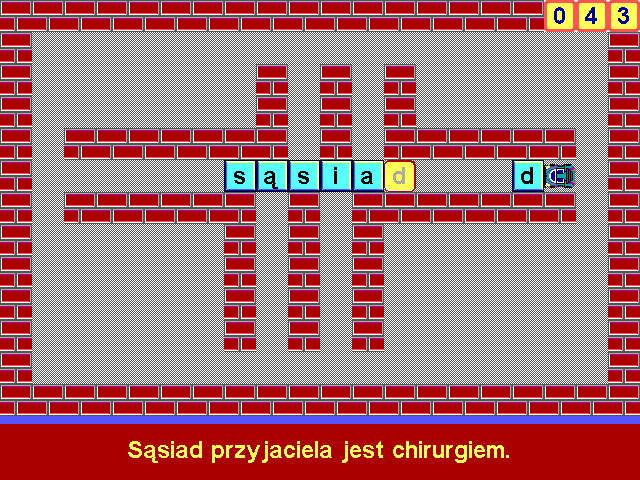
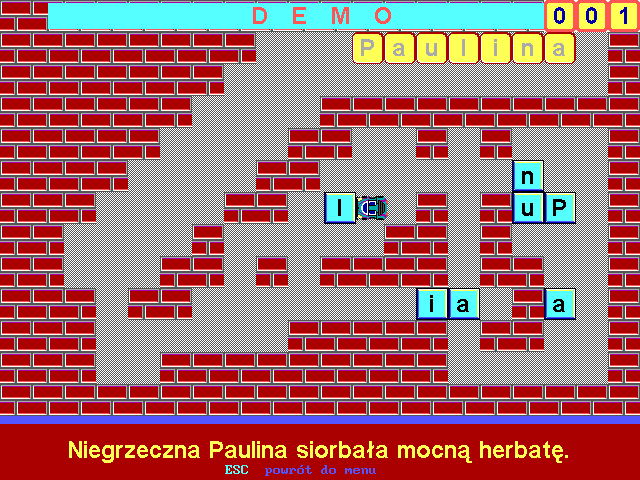
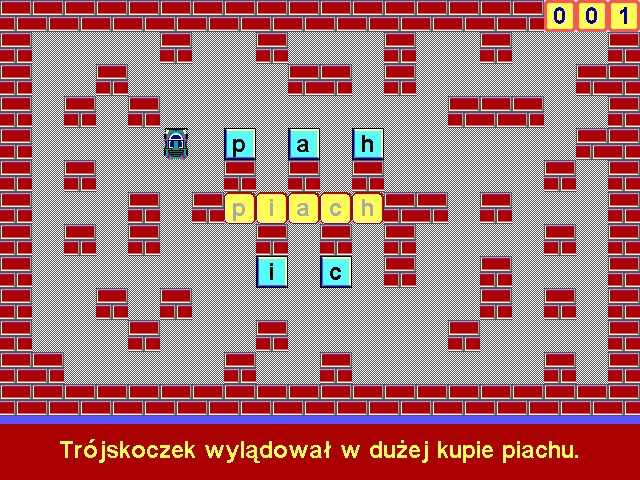
The first few minutes make the premise immediately clear: you are not simply choosing the right spelling from a list. You drive a small car through a maze and use it to move loose letters into the order needed to form a word. That turns a basic orthography exercise into a spatial problem, where you must think about both the word and the route required to assemble it.
What starts to click is the two-part structure. Finishing the word is only half the job; afterward, you must correctly type a sentence that appeared at the bottom of the screen during the preceding level. That asks you to pay attention while puzzling, then recall and write accurately under a little pressure. It is a more demanding lesson than a conventional drill, and it gives the game a pleasingly no-nonsense rhythm.
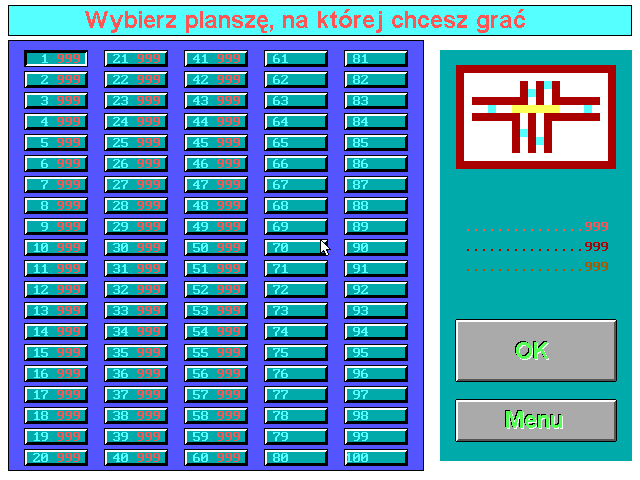
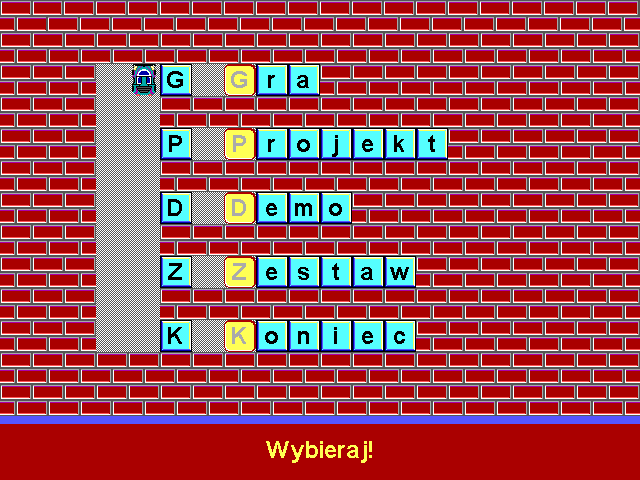
The free stage selection is a practical strength. If one board is irritating you, you can move on rather than being trapped behind it, then return when you are in the mood to untangle its letter placement. There are 60 levels to work through, enough for the ideas to develop beyond a novelty, and completing every board opens a level editor. That final reward is especially welcome: once you understand the rules, making your own spelling-and-maze problems is a natural extension.
Frustration will come from the same place as the satisfaction. A maze puzzle built around moving letters can punish careless positioning, and you still need to keep the sentence in mind while concentrating on the board. If you want frictionless language practice, this may feel more like homework with roadblocks. If you enjoy a puzzle that makes you earn a correct answer, the resistance is the point.
Graphics
The action is shown through maze boards dotted with individual letters and a small car used to shift them. It is a functional DOS puzzle view: the important thing is being able to see where each letter sits and plan how to move it into place.
Story
There is no grand adventure pulling you from board to board. Instead, the game creates momentum through a simple chain of tasks: solve the current word, remember the displayed sentence, and write it correctly afterward.
That modest structure suits an educational puzzle. The sentence check gives each completed maze a consequence beyond merely clearing the screen, so your attention has to stretch across successive levels rather than reset after every answer.
The closest thing to a payoff is mastery: clearing all 60 boards and gaining access to the editor. For a game about spelling, that is the right kind of ending—one that lets you move from solving its exercises to constructing your own.
Overall Experience
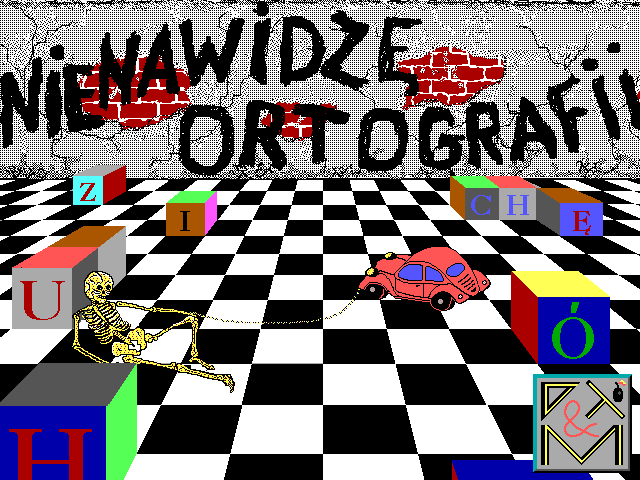
Nienawidzę Ortografii is a sharper educational game than its premise might suggest. It does not disguise the fact that it wants you to practice spelling, but it gives that practice an actual puzzle framework and follows it with a typing test that checks whether you were paying attention.
You should give it a chance if you like old-school maze puzzles and do not mind learning through repetition, recall, and mistakes. The ability to choose any of the 60 levels makes it easier to use in short sessions, while the editor gives committed players a reason to stay after the main set is done.
It will not win over anyone who resents spelling exercises or wants a relaxed puzzle with no chance of getting themselves into a messy position. For its intended audience, though, the payoff is real: it makes orthography feel like something you manipulate, plan around, and finally demonstrate that you understand.

Reviews
There are no reviews yet.