 Retro Replay Retro Gaming History, Reviews & Emulation
Retro Replay Review
Gameplay
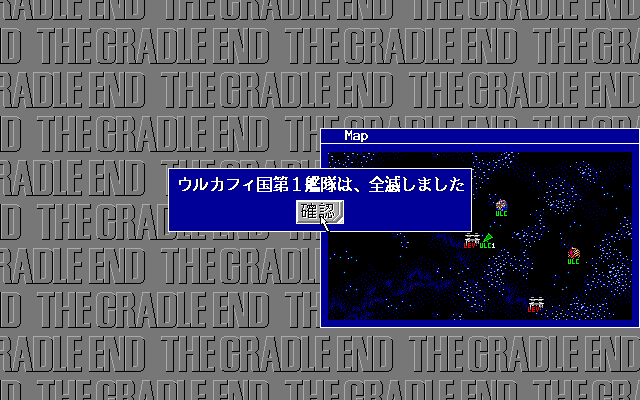
The first thing to understand is that Schwarzschild IV does not put you in command of individual battles. You set up the conditions—diplomatic ties, military preparation, research, defenses, and force development—then combat outcomes follow from those choices automatically. That can feel hands-off if you arrive expecting tactical space clashes, but it gives every earlier decision more weight. A poor plan cannot be rescued by fast clicking once fleets meet.
Its strongest idea is the shift toward smaller nations, alliances, and cooperation. You are not simply trying to outbuild one monolithic enemy; you have to decide which relationships are worth cultivating and when war is the better answer. The expanded diplomatic options and emphasis on pacts make the political layer more than decoration. If you enjoy strategy games where a treaty is a tool and not just a temporary pause button, this is where the game starts to click.
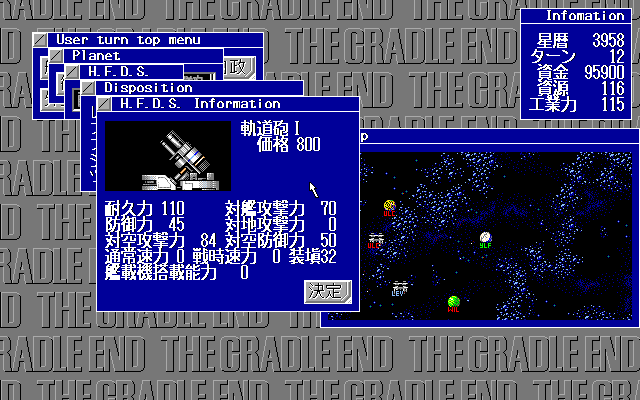
Research and construction broaden the preparation game in useful ways. Fighter craft, orbital satellites, and planetary cannons give you several ways to shape a nation’s military posture before the automatic battles test it. The stretchable, movable windows fit a game built around examining information and making careful calls. Expect a measured pace, though: this is strategy for someone willing to live in the consequences of their planning rather than someone hunting for constant combat control.
Graphics
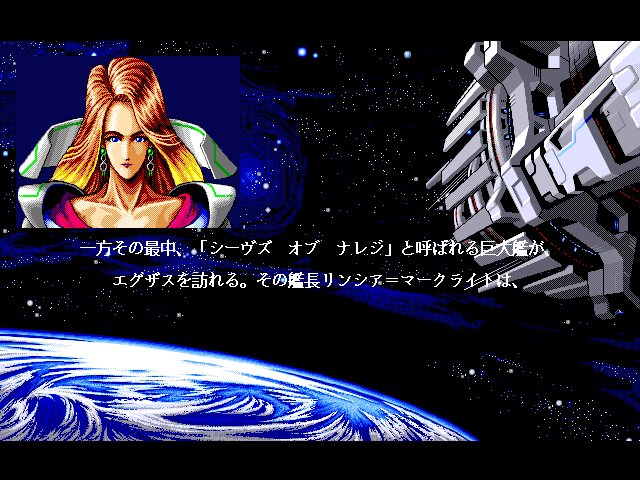
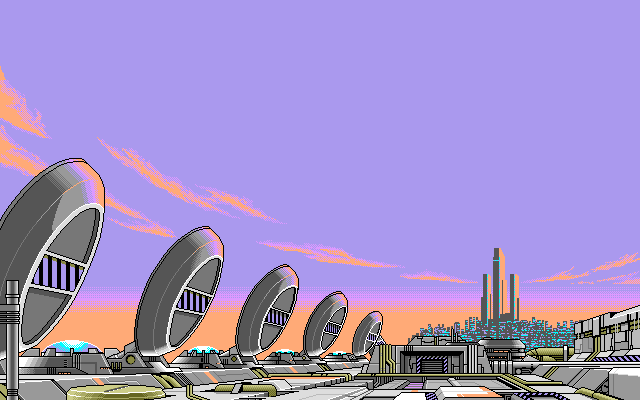
The Cradle End uses anime-style visuals, with individual characteristics assigned to national leaders. That is a good fit for a political space strategy game: the competing powers are tied to people rather than feeling like anonymous colors on a strategic board.
Story
Set in 3958, two years before Schwarzschild II: Teikoku no Haishin, The Cradle End moves to the Bardis star system at a moment when imperial dominance has given way to a more unstable web of smaller nations. It is a promising setup because the wider political order is already in flux before you make your first major decision.
You take the role of Clair Youngleaf, leader of one of those nations, and the story’s stakes are inseparable from the campaign’s strategy. Clair’s future is not carried by a separate action sequence or a detached narrative track; it is expressed through the choices you make about diplomacy and war.
That makes the premise more engaging for anyone who likes political sci-fi told through responsibility. You are deciding what kind of power Clair’s nation becomes: a partner in a fragile alliance, an armed holdout, or a state willing to settle disputes through force. The game’s focus remains on governing rather than theatrical plot turns, but its setting gives those decisions a clear context.
Overall Experience
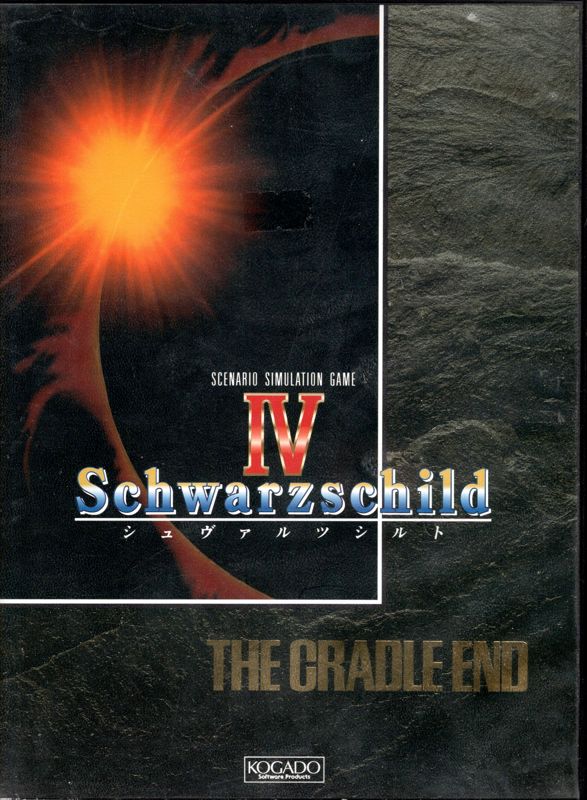
Schwarzschild IV: The Cradle End is a niche but purposeful grand strategy game. Its automatic battles are either the central attraction or the central barrier, depending on what you want from the genre. If you need direct tactical command, the payoff will likely feel too distant. If you enjoy watching a carefully prepared strategic position prove itself, the format has real tension.
The stronger diplomatic focus helps it stand apart from a straightforward conquest game. Pacts, cooperation, and the pressures of leading a smaller power give your decisions a political texture, while fighters, satellites, and planetary cannons make military planning feel broader than simply accumulating ships.
Give it a chance if you can enjoy patient, turn-based planning and accept that victory is earned in the war room rather than during the fight itself. The game’s best moments should come when a relationship you nurtured, a defense you funded, or a research choice you committed to changes the outcome of a conflict. That is a demanding kind of satisfaction, but it is exactly the kind this entry is built to deliver.

Reviews
There are no reviews yet.