 Retro Replay Retro Gaming History, Reviews & Emulation


Retro Replay Review
Gameplay
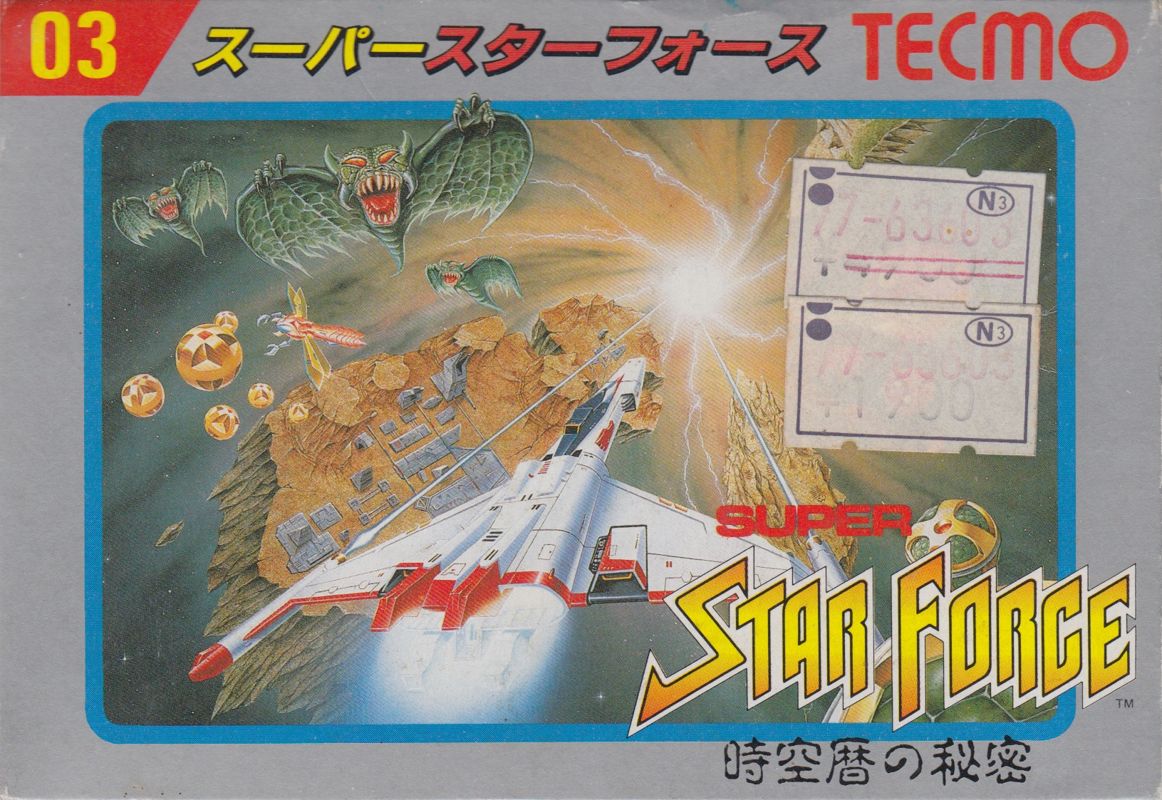
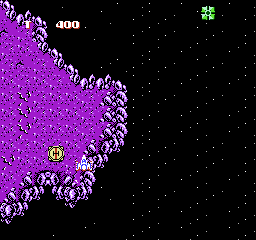
The immediate pull is the ship combat. Super Star Force opens on familiar ground: guide the Neo Final Star up a vertically scrolling battlefield, blast incoming enemies, and stay alive long enough to build up the time pieces that drive everything else. It has the direct, uncluttered energy you want from an 8-bit shooter, but it does not stay a pure reflex test for long.
Time pieces are the game’s real pressure point. You need them to use teleporters and move among six time periods, yet shops also want that same currency for equipment. That turns each pickup into a small decision rather than a mere reward. Spending freely can help you survive the next stretch, while saving leaves more room to pursue the larger investigation. The tension comes from trying to make progress without wasting the means to reach it.
Then you enter a building and the game shifts to isometric dungeon shooting. Instead of constantly pushing upward through scrolling space, you explore enclosed areas and search for one of seven time stones. This is the hook that makes Super Star Force memorable: it asks you to switch from immediate shooting instincts to deliberate exploration, then sends you back out into the scrolling action.
That structure can also be the source of frustration. If you came only for uninterrupted spaceship combat, the stops for exploration and resource management will feel like interruptions. Give it time, though, and the two modes start to feel connected by the same goal: each firefight is part of a wider search rather than another isolated stage.
Graphics
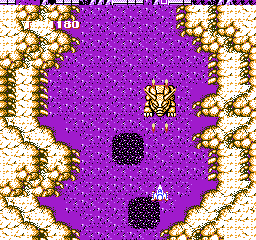
The game contrasts vertically scrolling space battles with isometric interiors, so you are not looking at the same screen layout for the whole adventure. The overhead ship sections keep enemies and shots moving toward you, while the slanted dungeon rooms change the angle of attack and make the search for buildings and time stones feel distinct from flight.

Story
There is a surprisingly strong reason to keep pushing forward: Gordess has already been destroyed in the year 2010, but its origin remains unresolved. Commander Ralph’s mission is not simply to win a present-day war. He has to move through time and discover what caused the evil planet to exist in the first place.
That premise gives the six time periods more weight than a routine level-select structure. Teleporting is tied directly to the mystery, and the hunt for seven time stones feels like investigation as well as progression. You are chasing an answer across history, not merely advancing toward a final enemy.
The story is most effective as motivation for the game’s unusual structure. A conventional shooter rarely needs you to think about where you should go next, but Super Star Force turns that question into the center of its mission. If you enjoy old games that ask you to assemble the purpose of the journey from what you do, the Gordess mystery gives the action welcome momentum. For more background on the game, see its game history and release information.
Overall Experience
Super Star Force is more interesting than immediately comfortable. Its shooter foundation is easy to understand, but the time-piece economy, teleporting, and dungeon excursions ask for patience and attention. The reward is a game that refuses to treat shooting as the whole point; it keeps folding the action into a larger time-travel puzzle.
You should give it a chance if a straightforward NES shooter sounds better with detours, exploration, and decisions about limited resources. The payoff is not just another cleared combat route, but the gradual sense that you are tracing Gordess back to its cause. Players looking for a pure arcade rhythm may prefer a more focused blaster, but curious shooter fans can find real character in this hybrid.
It is a bold fit for Tecmo’s 1986 catalog: demanding, structurally restless, and much more adventurous than its opening flight suggests. If you are browsing similarly titled retro releases, Super Star Wars: The Empire Strikes Back offers a separate, action-heavy stop, but Super Star Force stands apart through its trip across time and its shifting play styles.

Reviews
There are no reviews yet.