 Retro Replay Retro Gaming History, Reviews & Emulation
Retro Replay Review
Gameplay
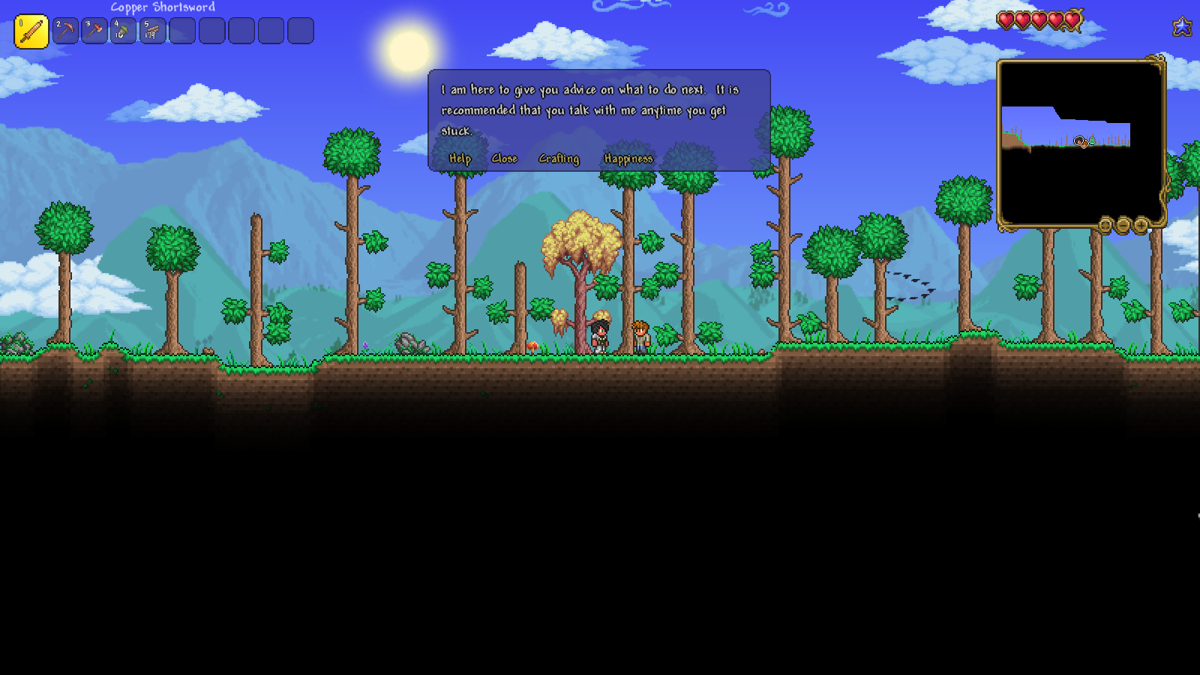
The opening of Terraria feels pleasantly scrappy. You wake in an unknown procedurally generated world, cut down trees, gather basic materials, and try to turn a patch of wilderness into a home before darkness makes the surface far less welcoming. It is an immediate, understandable survival loop, but it does not stay small for long. One cave expedition can uncover ore, a new structure, a dangerous biome, or a piece of loot that sends you chasing an entirely different goal.
What makes the game special is how naturally its progression grows out of curiosity. Mine deeper, find rarer resources, craft better equipment, defeat a boss, then discover that the world has opened another layer of threats and possibilities. Melee, ranged, magic, and summoner equipment give combat distinct directions to pursue, while accessories add useful mobility and utility. You are rarely just raising numbers; you are working toward gear that lets you travel, survive, and fight differently.
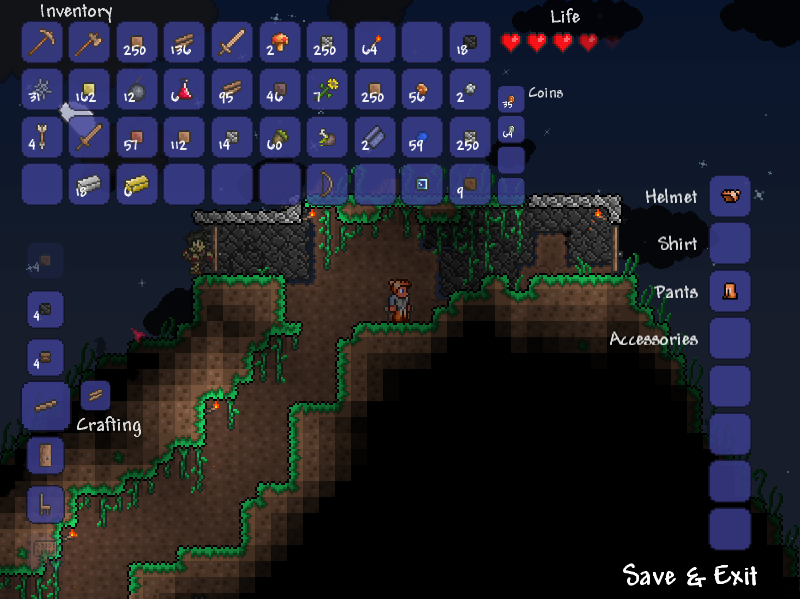
Crafting can initially feel like a pile of possibilities with no obvious priority, especially once your inventory fills with monster drops and minerals. The recipe list tied to nearby crafting stations helps enormously, turning experimentation into a practical question of what you can make right now. Bosses and structured events give that material chase a purpose, too. Building an arena or reinforcing a base is not busywork when a difficult fight or invasion is coming; preparation often makes the difference between a messy defeat and a satisfying win.
Hardmode is where Terraria earns its reputation for having much more under the surface than its early hours suggest. Triggering it makes the world more dangerous, adds new ores and biomes, and asks you to adapt rather than coast on familiar routines. That escalation can be punishing if you prefer a relaxed building game, but Journey mode offers research, duplication, and world controls for a more flexible pace. Expert and Master modes, meanwhile, give experienced groups a reason to plan carefully and chase their extra rewards.
Graphics
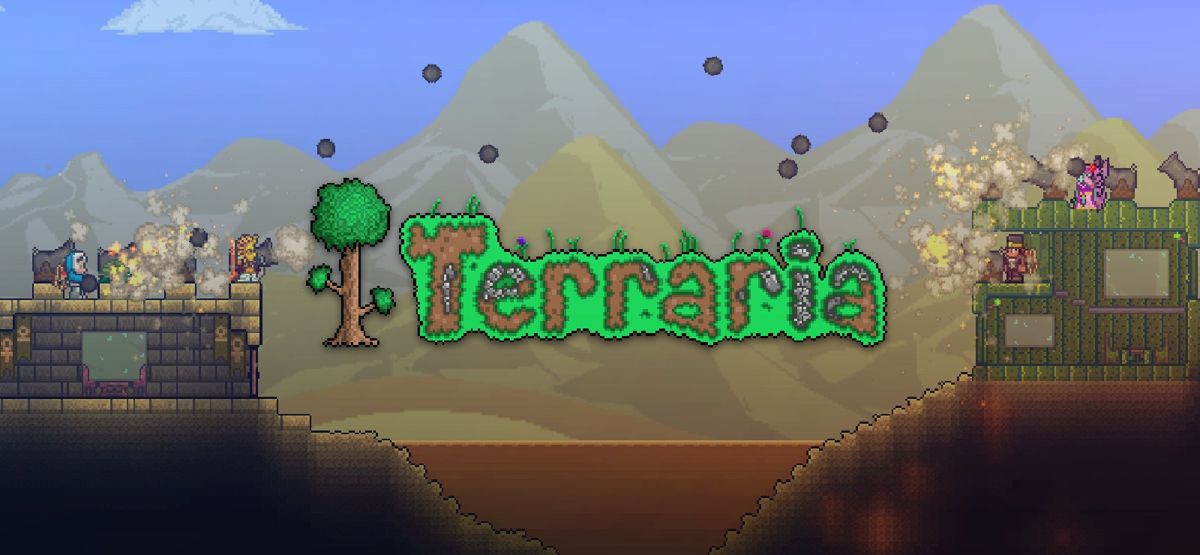
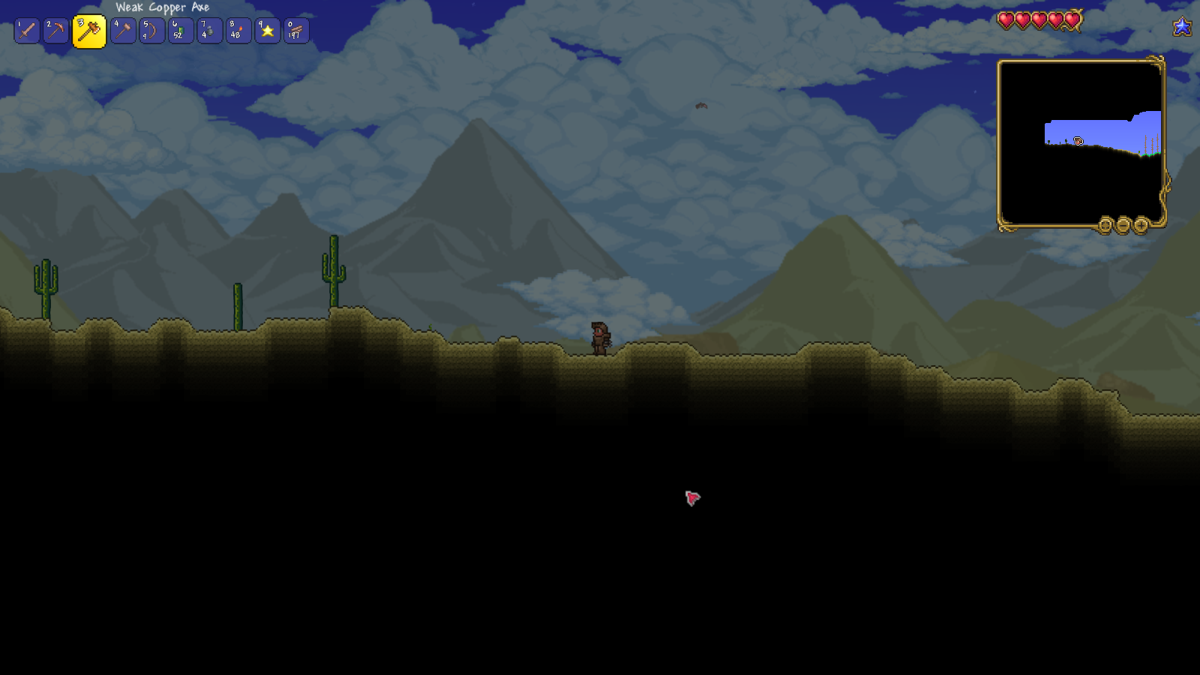
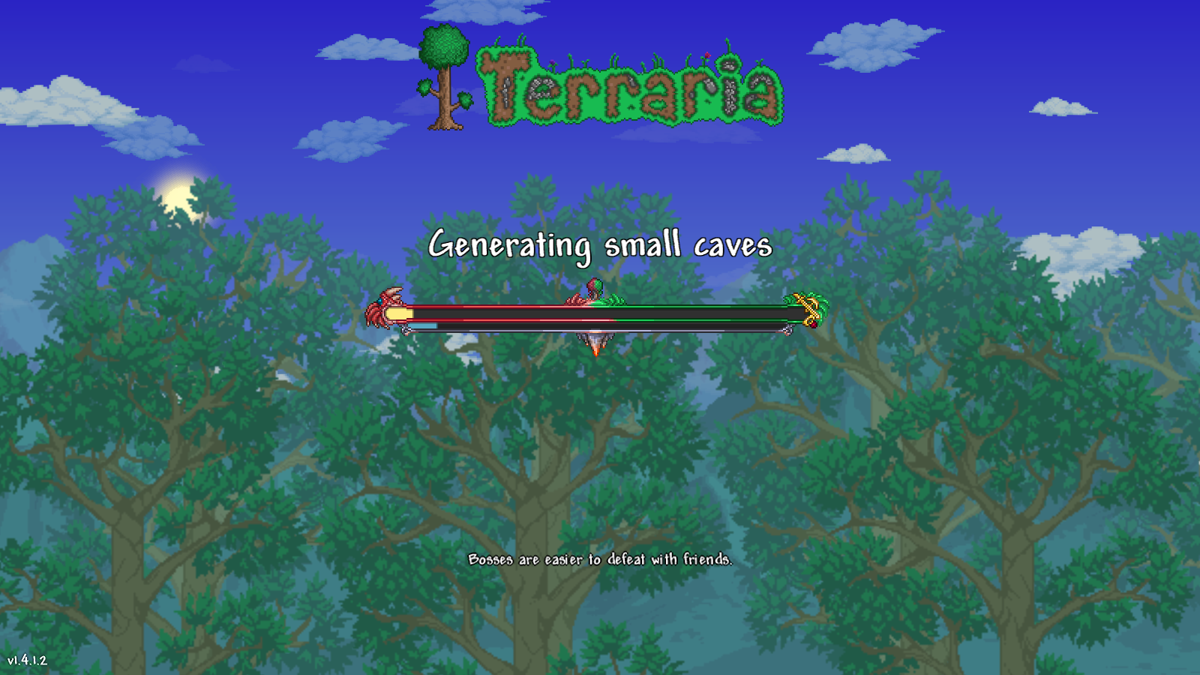
The 2D side-view world is built from chunky, placeable blocks, so every tunnel, house, bridge, and arena visibly becomes part of the landscape. Forests, deserts, oceans, caverns, ruins, corruption or crimson territory, and the hallow give exploration a clear change of scenery, while the night surface is easy to read as a more hostile place once zombies and flying eyes begin roaming.
Story
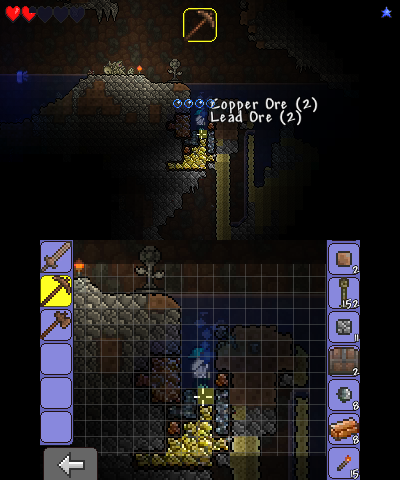
Terraria tells its story through your expeditions rather than a tightly scripted plot. Your first shelter, the moment an NPC moves into a room you built, a narrow escape from an underground hazard, and the decision to challenge a boss become the milestones you remember. It is a game about making your own momentum.
The world still has a strong sense of escalation. At first, danger is confined to surviving the night and pushing into caves. Later, spreading corruption or crimson, biome-specific threats, invasions, and powerful bosses make the land feel increasingly contested. Hardmode’s transformation is especially effective because it changes the stakes of a world you thought you understood.
NPCs give your settlement a welcome feeling of growth. Merchants, medics, crafters, and other specialists arrive as you meet conditions and provide services that make your home more than decoration. Their quests and wares offer gentle direction without taking ownership of the adventure away from you.
Overall Experience
Terraria is remarkably good at turning a loose evening of digging into a long-term project. You may begin by wanting a safer house, then decide you need a better weapon, then realize that weapon requires a material found in a biome you have barely explored. The chain of motivations is constant, and it makes even a self-directed session feel purposeful.
It can be overwhelming because its systems keep unfolding: housing, crafting stations, specialist NPCs, events, boss preparation, equipment paths, and a world that changes as you advance. The payoff is that there is almost always a meaningful next step, whether you want to excavate, decorate, fight, collect, or build a shared base. You do not need to chase every system at once; following whatever goal has your attention is usually enough to lead you forward.
Co-op is a natural fit for the game’s busy worlds. Friends can split up to gather materials, trade gear, construct defenses, or tackle arenas together, and optional PvP is there if a cooperative world needs some friction. Solo play remains deeply satisfying, though, because each improvement to your shelter, equipment, and reach feels earned. If you enjoy sandbox games with real combat progression and are willing to learn through exploration, Terraria remains an easy recommendation.


Reviews
There are no reviews yet.