 Retro Replay Retro Replay gaming reviews, news, emulation, geek stuff and more!
Retro Replay Review
Gameplay
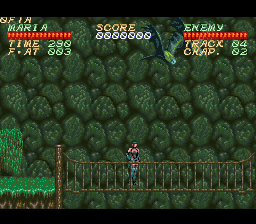
The first few minutes of Psycho Dream are refreshingly uncomplicated. You choose Ryo Shizima or Maria Tobari and start walking through hostile streets and other modern-day spaces, cutting down monsters as they crowd your path. It has the deliberate, stop-and-go tempo of an older side-scrolling action game: progress comes from taking a little ground, dealing with what is in front of you, then getting ready for the next obstacle.
Ryo’s sword and Maria’s whip give the two choices a distinct feel at close range, while their guns offer a second way to deal with trouble. You will still be spending most of your time in the thick of it, though, and that makes spacing matter. Jumps and ducks are not decorative platforming flourishes; they are part of surviving the hazards and maintaining momentum through the stages. If you want a game that constantly changes the rules, the repeated march through enemies can wear thin. If you enjoy learning how to make a basic combat kit work under pressure, that steadiness is the point.
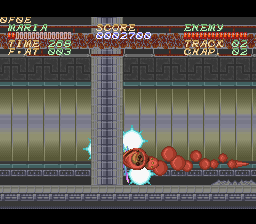
Power-ups add a welcome reason to stay alert during the slog. Fallen enemies can raise weapon strength, restore health, or put a protective force field around your hunter. The rare red drops are the real prize. Ryo gains special armor that attacks with bouncing lasers, while Maria sprouts wings and fires homing energy balls. These forms give each character a moment of extra bite, and they are the clearest reason to try both rather than treating the character select as a cosmetic decision.
The catch is that both heroes play through the same stages, and there is no multiplayer option to turn that shared campaign into a different kind of outing. Pick based on whether the sword or whip speaks to you, then consider the other character a second pass rather than a wholly new adventure. That is enough variation for a focused replay, not enough to transform the game’s core structure.
Graphics
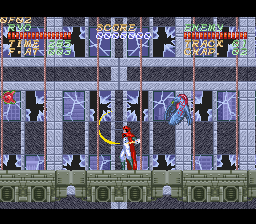
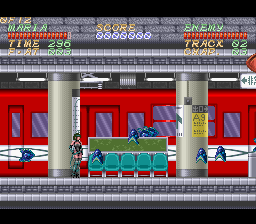
Psycho Dream uses a side-view, anime-leaning look for its demon hunters, monsters, and modern-day environments. The camera keeps the action on a single horizontal plane, which suits the game’s cautious movement: you can plainly see the enemies and obstacles demanding the next jump, duck, or attack.
Story
The setup is clean: Ryo and Maria are demon hunters, an innocent girl named Sayaka needs saving, and rampaging monsters need to be driven out of the world. It gives every stage a clear purpose without asking you to untangle a dense fantasy mythology first.
Do not come in expecting the campaign to build its identity around narrative. Compared with story-heavy action games in this mold, Psycho Dream puts far more weight on moving through dangerous areas and fighting what blocks the way. The premise is functional, and the rescue mission keeps the action pointed forward.
That lighter approach can be a relief if you want to get straight to the fighting. On the other hand, anyone hoping Ryo and Maria’s shared mission will develop into a deeply character-driven tale may find the plot too thin to carry much emotional momentum. Here, the story is a reason to keep advancing, not the reward for doing so.
Overall Experience
Psycho Dream is at its best when you meet it on its own modest terms: a methodical side-scrolling action game with two useful combat styles and a handful of gratifying power-up swings. The satisfaction comes from getting through a monster-packed stretch cleanly, not from a huge systems-heavy progression loop or an elaborate narrative payoff.
The 1992 design can feel stubborn in the way it repeatedly asks you to clear enemies and negotiate obstacles at a careful pace. That is where frustration can creep in, especially if you prefer faster, more fluid action games that keep introducing new ideas. Still, the directness has a certain charm. There is little confusion about what you should do; you are always fighting, moving, and trying to preserve enough health to keep going.
Give it a chance if the thought of a compact, anime-styled 16-bit action game with sword, whip, guns, and temporary super forms sounds inviting. Start with the weapon that feels right, then return for the other hunter if the core rhythm clicks. It is not a must-play landmark, but it remains a decent, focused slice of demon-hunting action for gamers with patience for its old-school repetition.


Reviews
There are no reviews yet.