 Retro Replay Retro Gaming History, Reviews & Emulation
Retro Replay Review
Gameplay
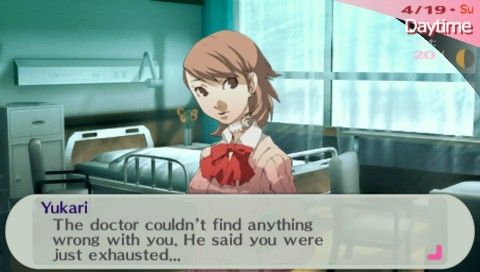
The first hours establish a rhythm that Persona still does better than most RPGs: your calendar matters. You attend class, fit in a job or a social outing, improve personal qualities such as Courage and Charm, and decide which friendships deserve your limited free time. Then midnight arrives, and the game turns that ordinary routine into preparation for a dangerous climb through Tartarus. That contrast gives even a modest afternoon with a classmate some weight, because it may eventually make your next fused Persona stronger.
Combat has enough bite to keep dungeon runs from becoming autopilot. Finding a Shadow’s elemental weakness earns extra actions, so fights reward attention and smart Persona changes rather than simply choosing your strongest attack every turn. Direct control of every party member is the key Portable improvement: you can set up turns deliberately, respond to a bad matchup immediately, and take responsibility for a loss instead of blaming party AI. The difficulty choices also make the game more accommodating, whether you want room to learn the systems or a stricter test.
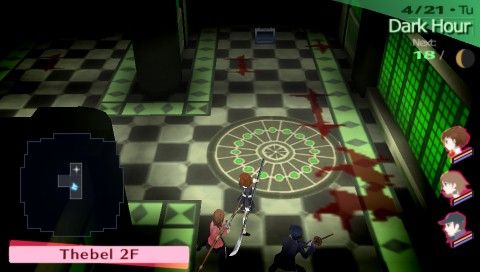
Tartarus is where the formula can wear on you. It is a massive multi-floor dungeon, and pushing farther means managing health, skills, items, and fatigue rather than treating each trip as a quick story stop. That attrition creates real tension when you are deep into a run, but it can also make progress feel like work when you want the next plot development. The payoff comes if you enjoy planning: register useful Personas, use the Velvet Room often, and treat each visit as a measured expedition rather than a sprint.
Graphics
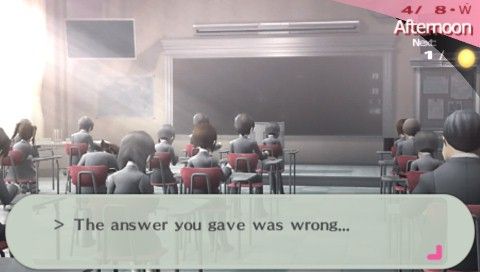
The game uses an anime-styled look and a diagonal-down view for its dungeon-focused action. Outside battle, its point-and-click approach to moving through locations keeps the portable format brisk, putting more emphasis on choosing where to spend your time than on wandering around.
Story
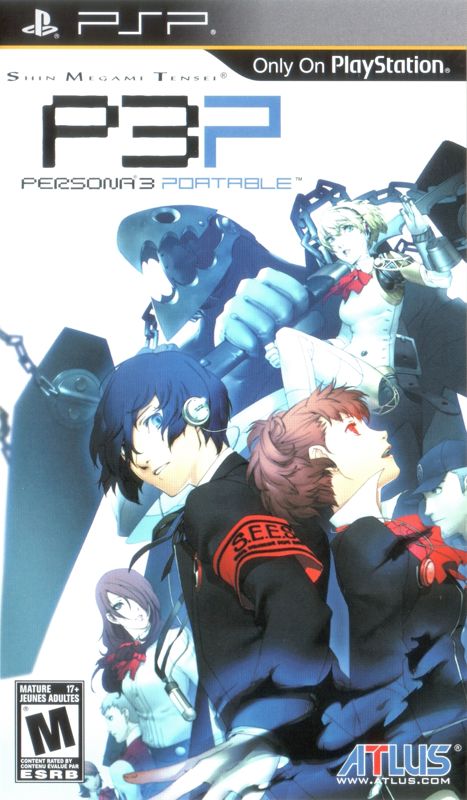
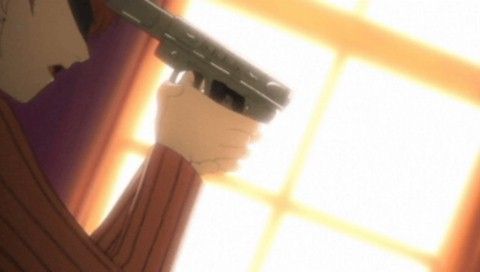
Persona 3 Portable starts from a great hook: a transfer student discovers the Dark Hour, a concealed twenty-fifth hour in which most people become coffins and Shadows roam Iwatodai. It is eerie without needing to rush, and the school-year structure lets the mystery settle into your daily life. You are not just saving the world in the abstract; you are trying to get through classes and friendships while knowing midnight is waiting.
SEES gives that premise a human center. The group’s goal is clear—investigate the Dark Hour and confront the Shadows—but the story works because its larger threat sits beside everyday interactions. Social Links are not empty side content: the people you spend time with feed back into Persona fusion, making the narrative choice to know someone better useful in play as well as character-focused in tone.
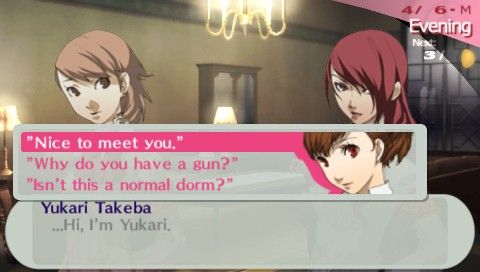
The female protagonist route is a substantial reason to revisit the game or choose this edition first. The main plot remains intact, but altered dialogue, events, and Social Links change the texture of the journey and open different relationship opportunities. Do not pick it expecting a completely separate story; pick it because Persona 3 is interested in how the same crisis lands differently depending on the connections you make.
Overall Experience
Persona 3 Portable is most rewarding when you accept its two halves as one system. A strong Persona comes from a thoughtful fusion; a thoughtful fusion is strengthened by the bonds you build; those bonds require you to make choices about your days. Few RPGs make scheduling time with friends feel so directly tied to surviving the next dangerous night.
It is not a frictionless game. Long Tartarus sessions and resource pressure can frustrate you, especially when you are eager for story momentum. Still, the dungeon is much easier to appreciate once the weakness system clicks and you begin entering with a plan. Portable’s full-party control also makes the combat feel precise enough to support that investment.
Give this a chance if you want a character-driven JRPG that asks you to live with its cast as much as fight beside them. The handheld-minded structure, flexible difficulty, and female protagonist route make this a particularly approachable version, even as its demanding dungeon crawl retains the older game’s rougher edges. The journey is long, but its mix of school-life decisions and midnight strategy earns the commitment.


Reviews
There are no reviews yet.