 Retro Replay Retro Gaming History, Reviews & Emulation
Retro Replay Review
Gameplay
The first few games can feel demanding in the right way. NBA 2K11 does not just hand you dazzling dribble moves because you flicked a stick; the revised Iso-Motion controls ask you to combine the right stick and triggers for crossovers, hesitations, and behind-the-back moves. When you finally beat a defender with a move you meant to make, then adjust at the rim with the Shot Stick, the game has a wonderful physical rhythm. It rewards patience and timing more than blind button pressing.
That same ambition can become frustrating before the controls settle into your hands. There is a lot to remember between analog shooting, driving, icon passing, basic face-button actions, and on-the-fly coaching menus. You can play a straightforward game with the basics, but the richer options make a real difference once you understand them. Shot Branching is especially welcome because it lets you alter a shot while airborne rather than leaving you trapped in a single committed animation.
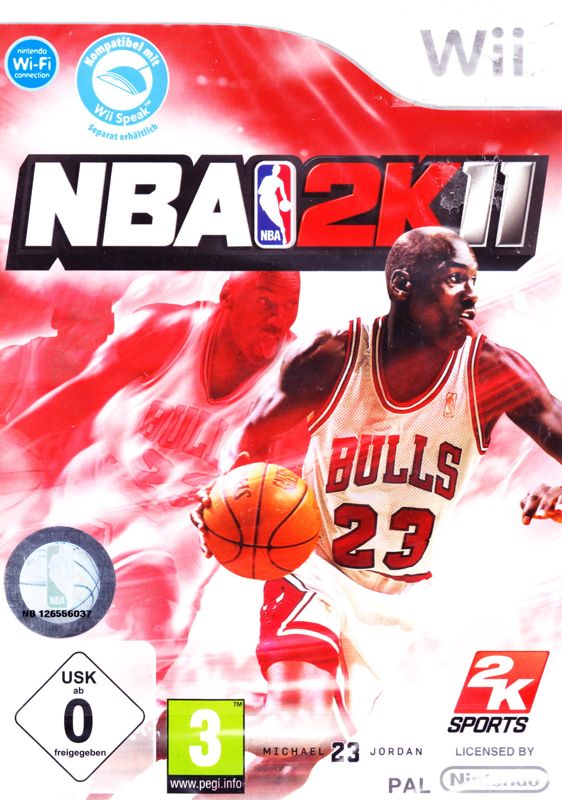
The Jordan Challenge is the headline mode for good reason. Taking control of Jordan across ten career highlight games and trying to meet real-world performance targets adds tension that a normal exhibition game lacks. It is not enough merely to win; you are chasing a particular kind of dominant night. The ability to use several Jordan-era Bulls teams in Quick Game also gives the historical material some useful life outside those challenges.
My Player has the slow-burn hook that sports career modes need. You begin at the Draft Combine, earn your way toward a contract, then work through games in which playing your assigned role matters alongside scoring. Skill points, key-game bonuses, press answers, coach conversations, trade requests, and endorsements create a decent sense that your rookie exists in a larger NBA career. If you enjoy steadily building one athlete rather than jumping between teams, this is where the game can absorb whole weekends.
Association is the other major time sink, and it is better suited to the gamer who enjoys spreadsheets as much as buzzer-beaters. Scouting, assignments, contracts, and salaries are all part of the job, but team chemistry and player egos give roster management some bite. A star who feels ignored can become a problem, so minute allocation is no longer a trivial housekeeping task. Add multiplayer-controlled teams and custom-team options, and the mode has room for a long-running fantasy league.
Graphics
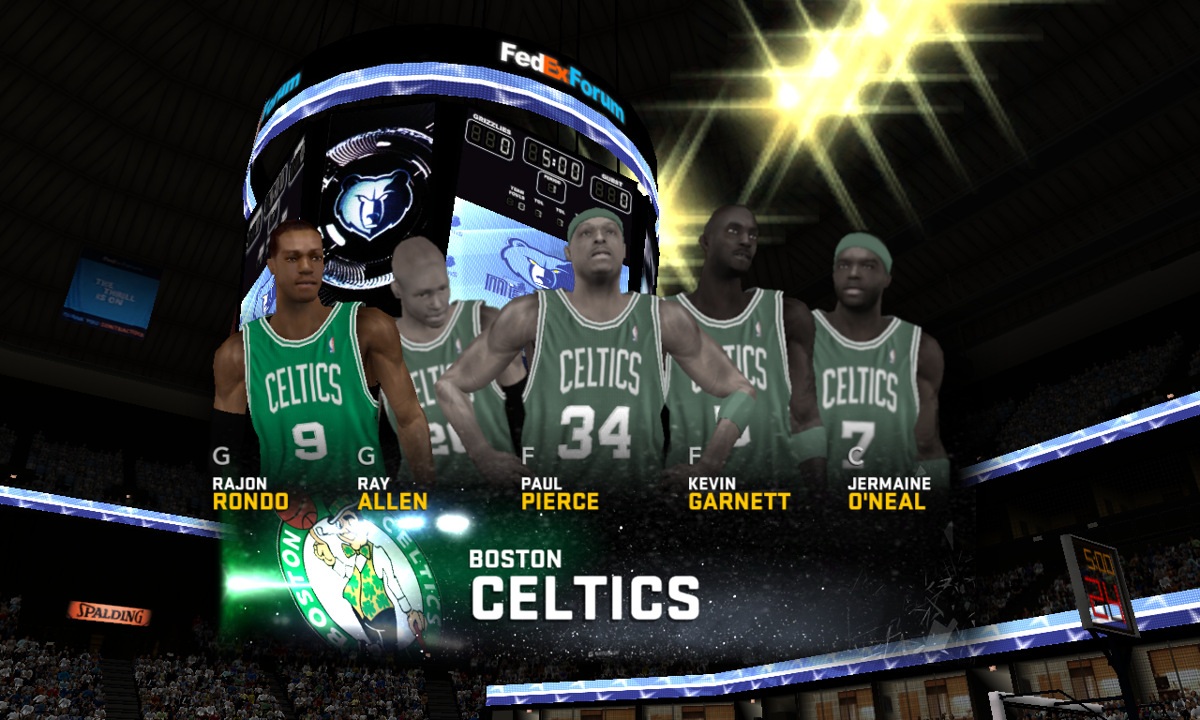
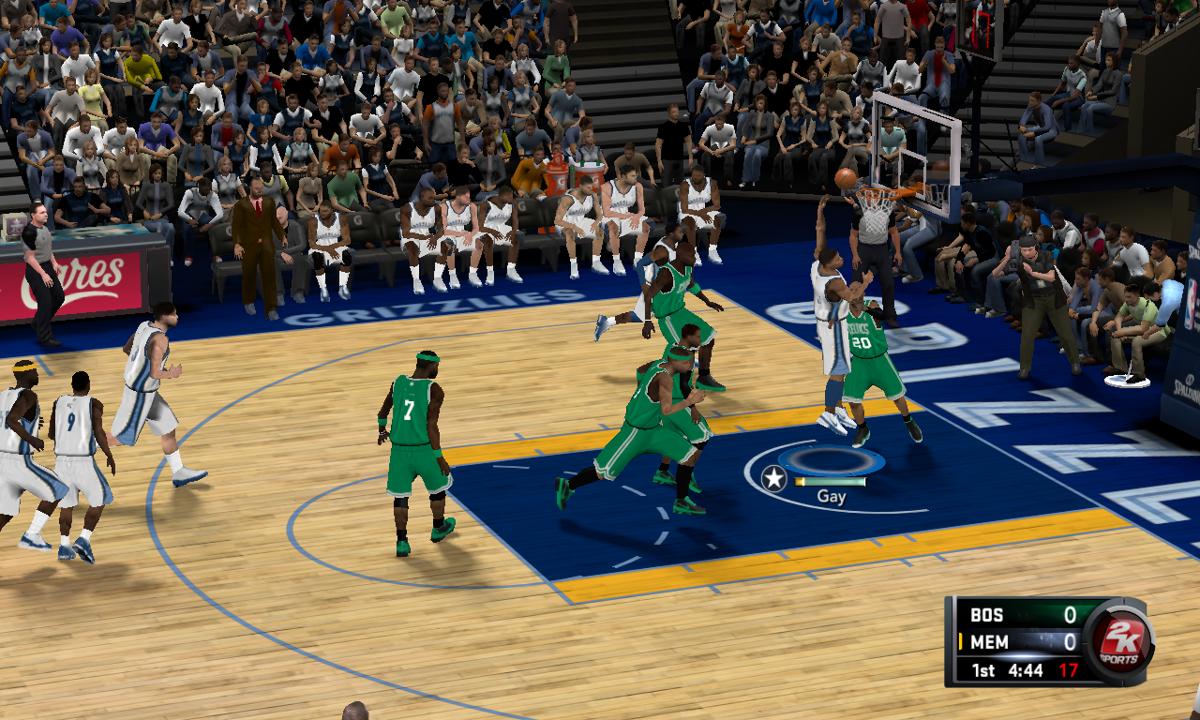
The court-side package is built around recognizable NBA atmosphere: accurate arenas and halftime shows, dynamic crowds and chants, and players whose tendencies and emotions reflect their real-world counterparts. Jordan’s presence extends beyond the cover through multiple Bulls eras and collectible Air Jordans, giving the game’s basketball imagery a strong historical pull.
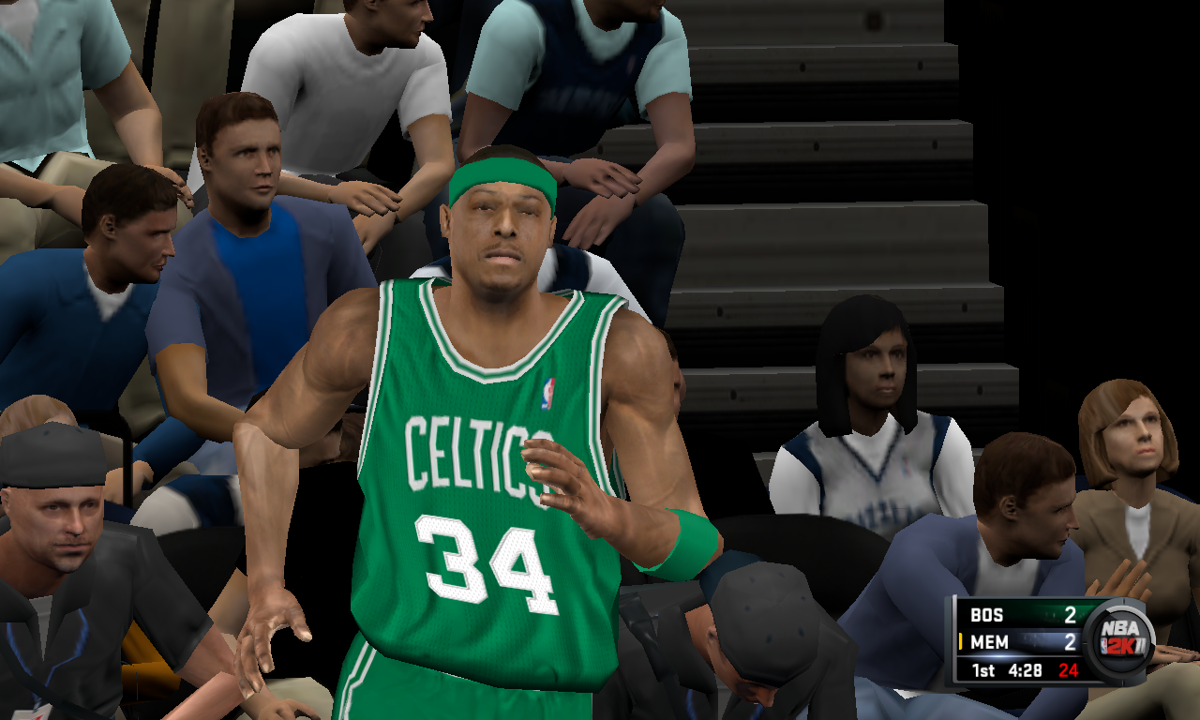
On the floor, the expanded animation and shot-adjustment systems matter because they help possessions look less locked into a single predetermined outcome. You see players change their mind in the air, work through dribble combinations, and finish with more variation than a rigid sequence of repeated moves.

Story
There is no conventional sports-game plot here, but NBA 2K11 gives itself a clear throughline by treating Michael Jordan’s career as playable history. The Jordan Challenge frames famous performances as problems for you to solve, which turns the usual greatest-hits nostalgia into a series of personal tests. The payoff is strongest if Jordan means something to you already, but the structure still communicates why those games mattered.
My Player tells a smaller, more personal career story. Your created rookie starts in the Draft Combine and tries to earn a place in the league, with postgame press interactions, conversations with the coach, trade requests, and endorsement management filling out the off-court side. The writing is not the focus; the value lies in having your on-court performance shape the direction of a career.
Association creates its own drama through dissatisfied stars, chemistry concerns, and contract decisions. It is the kind of narrative that emerges from your choices rather than from scripted scenes: you may be trying to keep a talented but unhappy player content, or deciding whether a salary negotiation is worth disrupting the rest of the roster. That is a more believable kind of NBA tension than a forced storyline would be.
Overall Experience
NBA 2K11 succeeds because it does not rely on Jordan alone. He gets you through the door, and the challenge modes are genuinely worthwhile, but the deeper basketball controls and substantial career and management modes are what make the game stick. It feels made for someone who wants to learn a sport simulation rather than casually sample a few flashy dunks.
The abundance of options can make the opening hours feel busy. You can move from a Jordan recreation to a rookie career, a front-office simulation, online clubs and leagues, Blacktop pickup games, or Slam Dunk Showdown without ever settling into one routine. That variety is a strength, although it also means you should choose a mode and give it time instead of trying to absorb everything at once.
For solo play, My Player and the Jordan material provide the clearest reasons to stay. For a group, the ability to run leagues, build clubs, or manage up to 30 controlled teams gives the game considerable social and competitive potential. NBA Today 2.0, living roster updates, news, results, and shareable highlights round out a package that tries to keep its basketball world connected to the real league.
Give NBA 2K11 a chance if you want a basketball game that expects concentration and returns it with control, variety, and a real sense of progression. The learning curve can punish impatience, particularly around dribbling and shooting, but the payoff is worth it: by the time its systems click, a single well-run possession can feel as satisfying as the final score.


Reviews
There are no reviews yet.