 Retro Replay Retro Gaming History, Reviews & Emulation
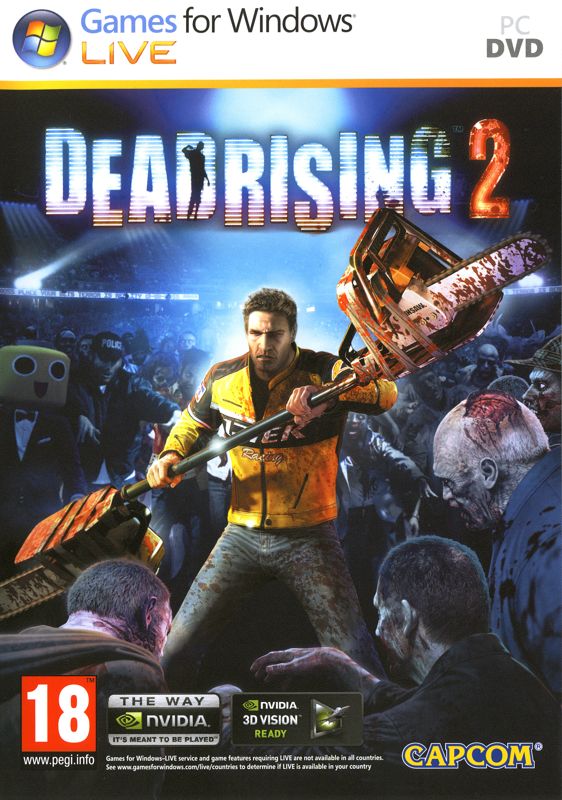
Retro Replay Review
Gameplay
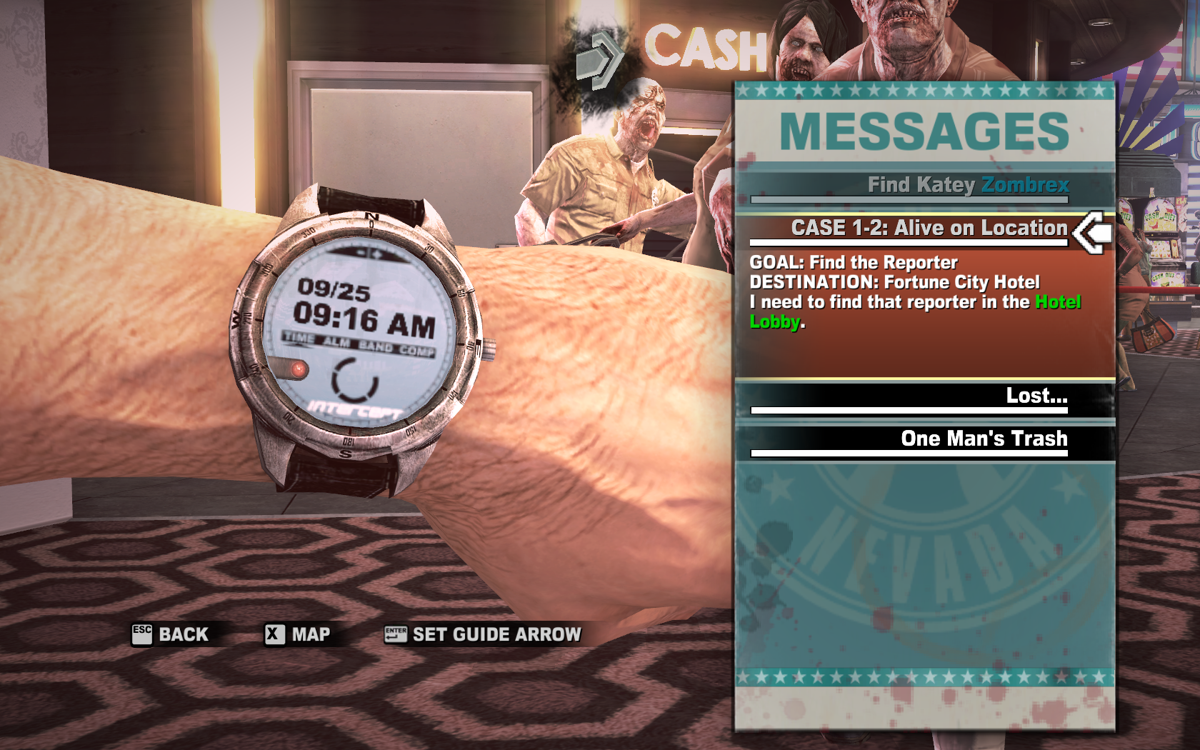
The first hour has a lot to ask of you. Chuck needs Zombrex for Katey, an outbreak has swallowed Fortune City, and a military deadline hangs over the whole mess. Dead Rising 2 turns that pressure into its central rhythm: you are always deciding whether to push the case forward, detour to rescue a survivor, search for supplies, or simply carve a path through a crowd of zombies for the sheer fun of it.
What starts to click is that the clock is not merely a punishment. You are allowed to make choices and live with them. Ignore the main story, miss survivors, or spend an afternoon exploring, and the game continues toward a different ending rather than abruptly throwing you out. That freedom makes Fortune City feel less like a series of mandatory tasks and more like a place you are trying to survive on your own terms.
Combat is intentionally silly in the best way. Ordinary guns, gardening tools, food, toy-store light sabers, and whatever else you can carry become tools for thinning a huge undead horde. The workbench crafting system gives that scavenging real momentum. Experimenting with found objects is entertaining, while combo cards provide a more directed route to powerful custom weapons. Because those creations do more damage and earn more Prestige Points, crafting is not just a novelty; it is one of the smartest ways to build Chuck into a more capable survivor.
Leveling smooths out the rougher early stretches with added strength, inventory room, movement speed, and combat techniques. Still, frustration can set in when several priorities collide. The desire to clear case files, help survivors, earn cash, and secure Zombrex leaves little room for indecision. If you need a relaxed action game that lets you clean up every marker at your own pace, the 72-hour structure may grate. If you enjoy planning a route and accepting that a run cannot include everything, it gives the chaos welcome stakes.
Graphics
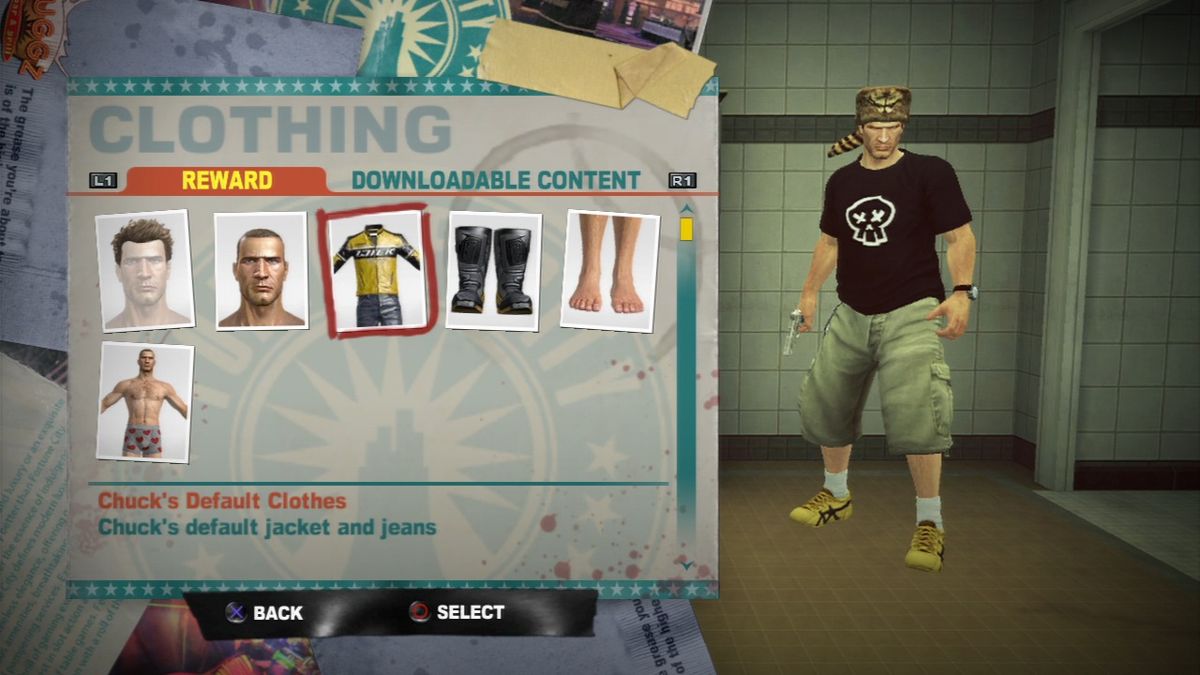
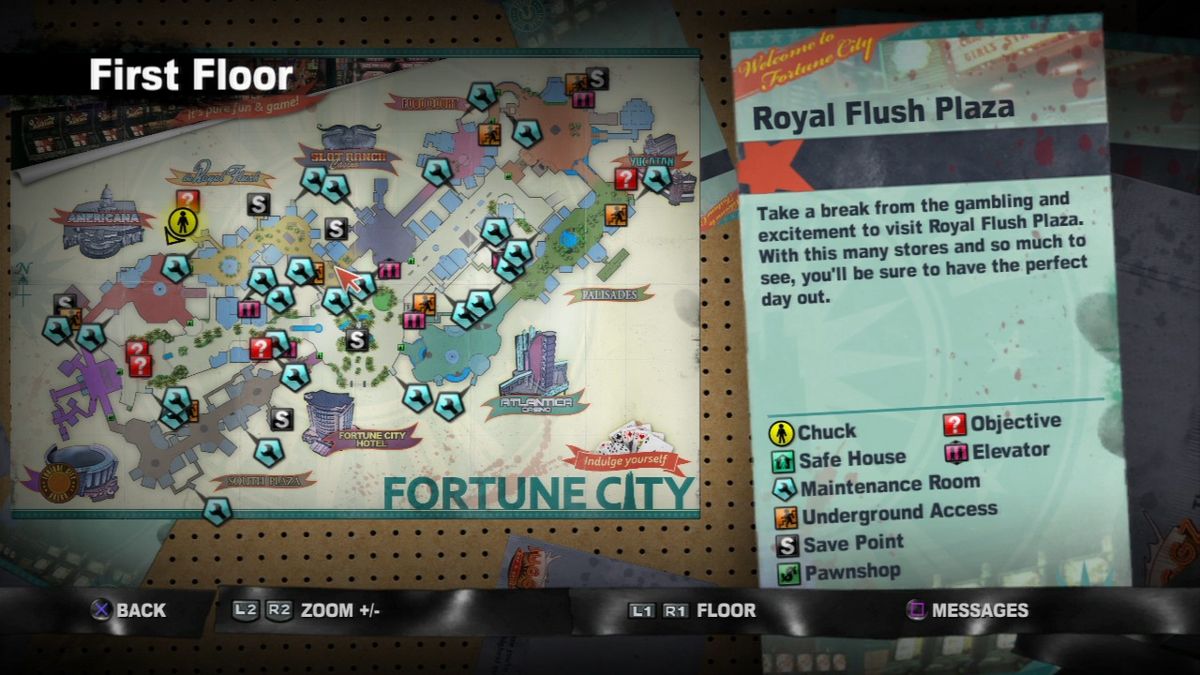
Fortune City takes its cues from old Las Vegas, so the zombie disaster plays out in a setting built for excess rather than gloomy ruins. Chuck fights through crowds with an assortment of everyday junk, weapons, and glowing toy-store light sabers, giving the action a deliberately ridiculous look that fits the premise.
Story
Chuck is a stronger fit for this setup than a blank excuse to wander a zombie mall. His need to find Zombrex for Katey gives the ticking clock a personal edge, while the accusation that he caused the Fortune City outbreak supplies a clear reason to keep digging into the case files. The story understands that its emotional hook works best when it is simple: protect your daughter, clear your name, get out alive.
The broader outbreak also gives the sequel a larger canvas than the original Dead Rising. The virus has spread far beyond Willamette, Zombrex has become a scarce commodity, and Fortune City’s untouched status makes its fall feel like a public catastrophe instead of an isolated incident. That context makes the game show opening and its undead spectacle feel appropriately tasteless.
There is a worthwhile payoff for committing to the main case: completing every plot-related file and reaching the true ending unlocks Overtime Mode, extending the story with more time and objectives. That requirement suits a game designed around replaying and improving your route, though it also means the fullest conclusion asks for more discipline than simply surviving the initial crisis.
Overall Experience
Dead Rising 2 is at its best when it lets panic and absurdity coexist. You can be urgently hunting medicine for Katey one moment and testing a ludicrous improvised weapon on a packed street the next. Few zombie games are as willing to make a survival scenario feel this playful without completely abandoning the pressure behind it.
The sequel earns its 7.7 because its best ideas reinforce one another: the timed structure makes choices matter, the sandbox gives you room to make those choices, and crafting rewards curiosity with more effective mayhem. The same structure can also make a first run feel messy or incomplete. That is not a flaw everyone will forgive, but it is a deliberate kind of friction rather than empty busywork.
Give it a chance if you like zombie action with schedules, consequences, and room for experimentation. You do not need to save everybody or see every mission to have a memorable run, and the game is better once you stop chasing perfection and start making smart calls under pressure. For gamers willing to meet it halfway, Fortune City is a gratifyingly chaotic place to spend three very bad days.
Reviews
There are no reviews yet.