 Retro Replay Retro Gaming History, Reviews & Emulation
Retro Replay Review
Gameplay
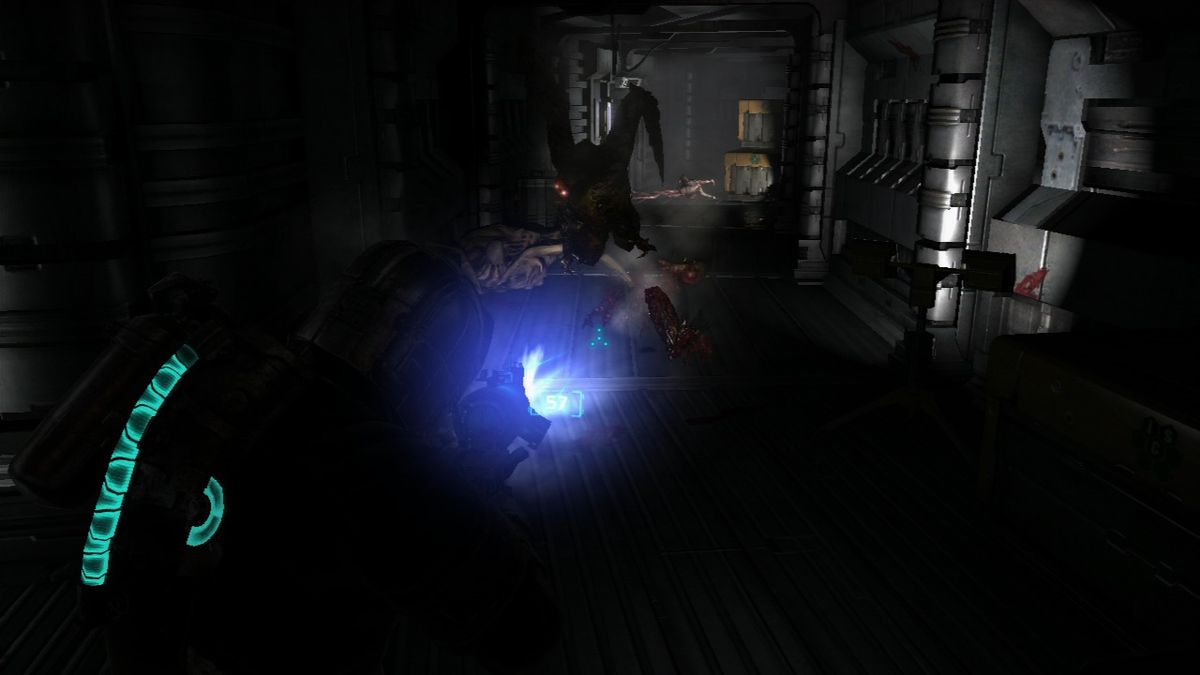
The first stretch of Dead Space 2 understands exactly how to make you feel unsafe. Isaac begins in a desperate escape, with the Necromorph outbreak already underway and little time to settle in. The third-person aiming has a deliberate weight to it: you raise a weapon, line up a limb, and hope you chose the right target before the creature reaches you. This is not a shooter that rewards casually aiming at center mass. It wants you to stay composed while something horrifying closes the distance.
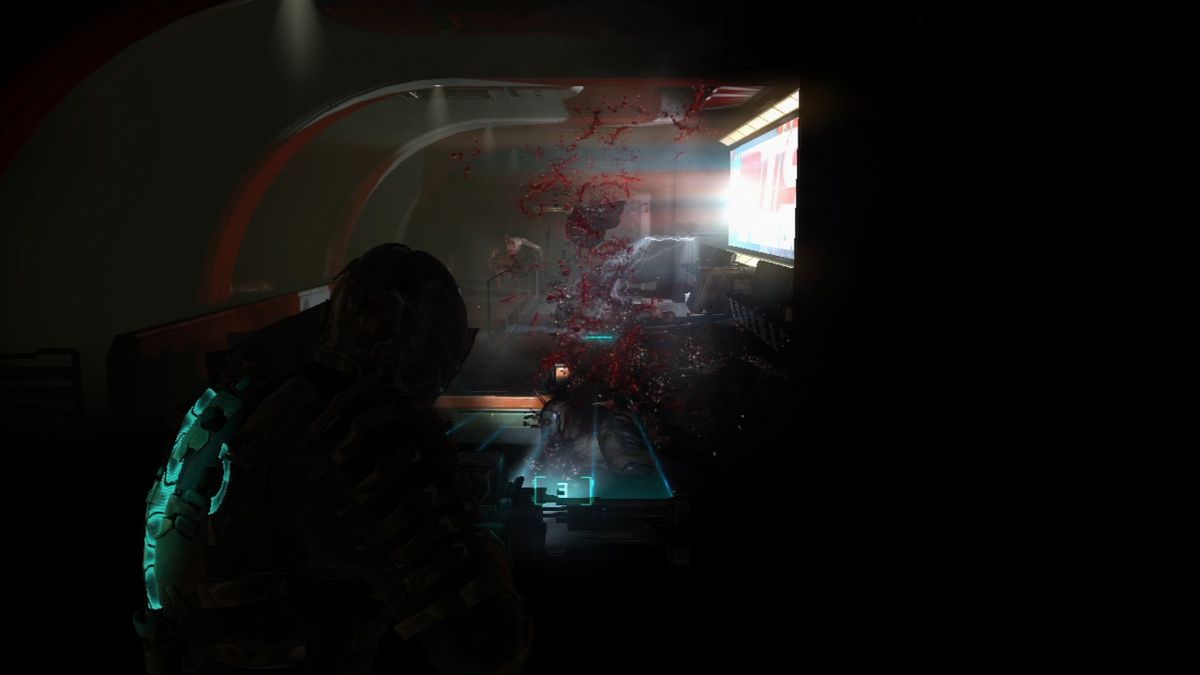
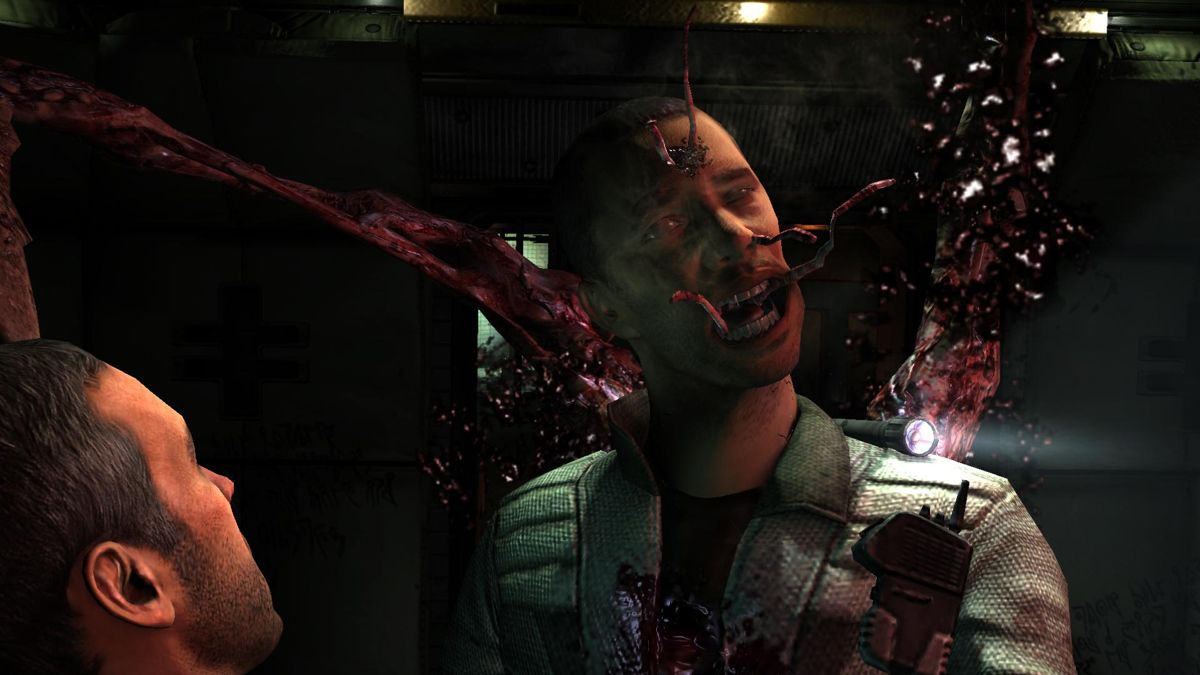
Dismemberment remains the reason the combat works so well. Different Necromorph types demand different responses, so learning how to take them apart efficiently becomes a survival skill rather than a gruesome novelty. Ammo matters, which makes telekinesis especially satisfying. Flinging a severed blade-like arm or an enemy’s explosive sack back into the fight can save resources and turn a bad situation around. Stasis also earns its place, slowing down threats or objects long enough for you to think, reposition, or land the shots that count.
The sequel does not try to replace the first game’s formula; it sharpens it. If you enjoyed the original’s careful, pressure-heavy combat, you will quickly fall back into its rhythm. If you found that rhythm too methodical, the sequel will not convert you. Enemies are resilient, the correct answer is often precision rather than raw firepower, and the tension comes partly from knowing that a sloppy encounter can drain supplies you may need later.
Zero-gravity movement is the most meaningful expansion. Isaac can fly around these spaces rather than simply hopping between fixed points, opening them up for exploration and environmental puzzles. It is a welcome change of pace from the tight, hostile corridors, and it gives the setting a greater sense of physical scale without abandoning the game’s core focus on survival.
Graphics
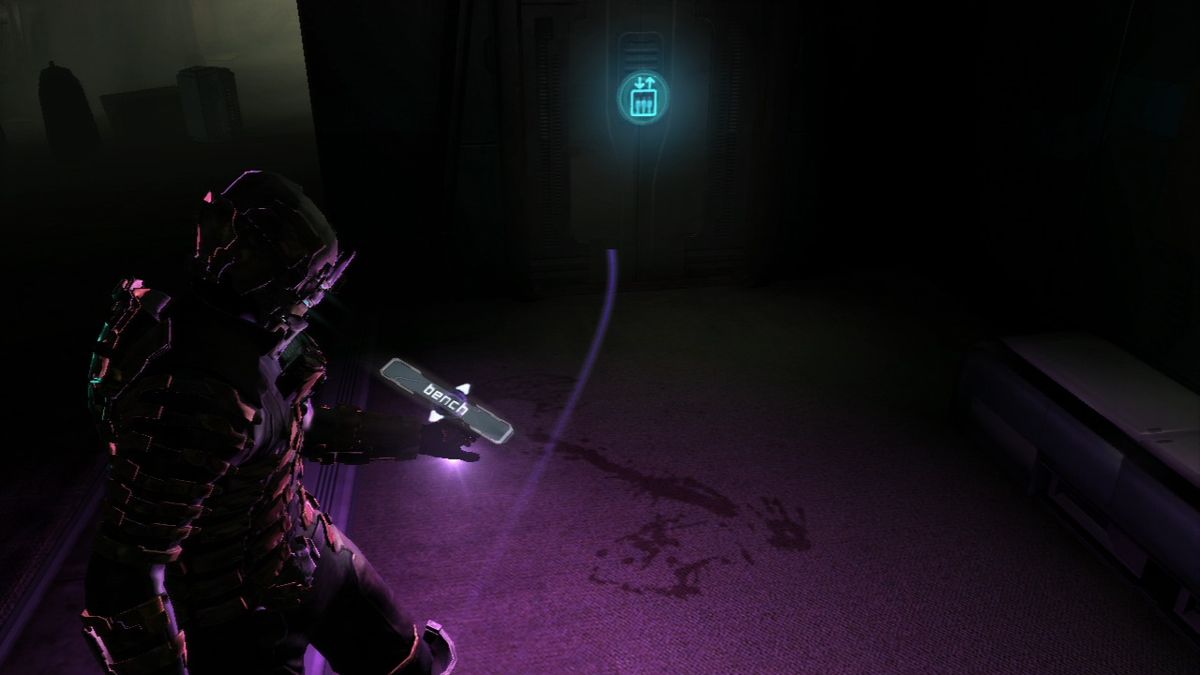
The action stays close behind Isaac in a third-person camera, keeping his weapon, advancing enemies, and the body parts you need to target in clear view. The Sprawl provides a broader sci-fi backdrop than the Ishimura, while the Necromorphs remain the standout imagery: distorted parasitic creatures built to make every approaching silhouette feel like a threat.
Zero-gravity areas benefit from the added freedom of movement, letting you travel through open space rather than moving only from platform to platform. That change gives these sections a noticeably different look and feel from the enclosed station interiors.
Story
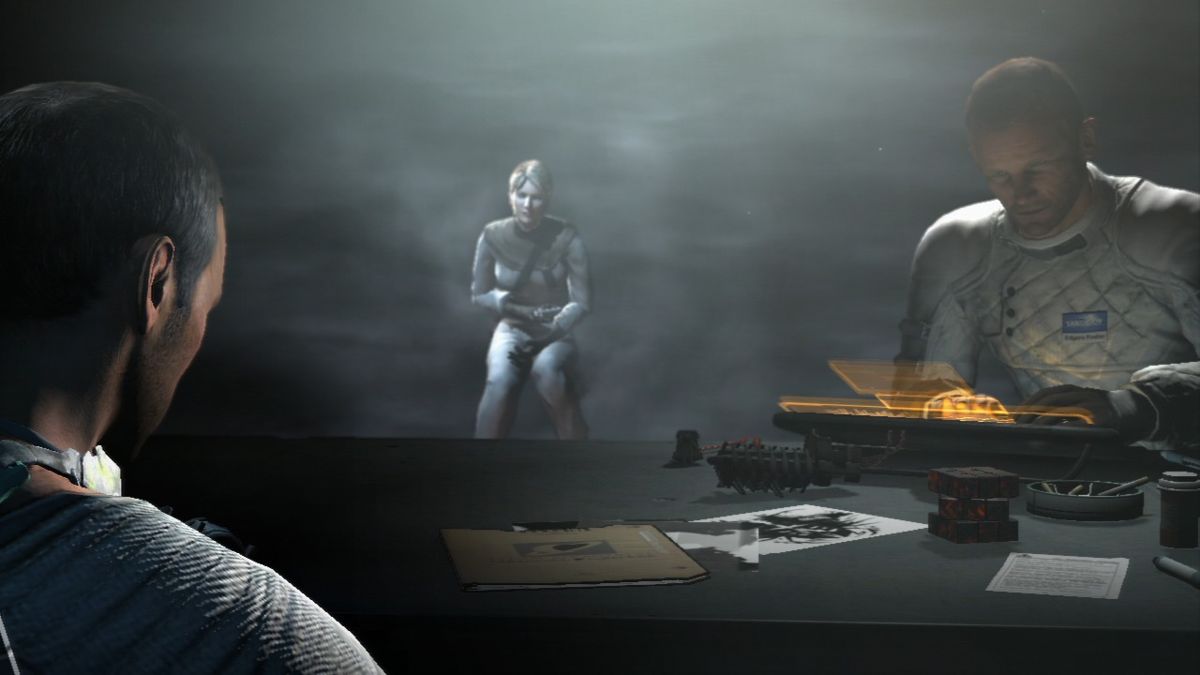
Isaac is no longer just a silent survivor moving from crisis to crisis. Three years after the Ishimura disaster, he is found adrift and brought to the Sprawl, carrying severe trauma from what happened before. The game puts his memories of Nicole’s suicide, the Necromorph outbreak, and the image of Nicole herself at the center of his struggle. That gives the horror a more personal edge than a simple escape-from-the-monsters setup.
The outbreak begins while Isaac is being psycho-analyzed, immediately turning an already unstable situation into a fight for survival. He has to evade Necromorphs and the station security force while uncovering why the creatures have returned and why another Marker has appeared. The external threat is familiar; the more interesting question is how much Isaac can trust his own mind as his delusions continue.
Playing the first Dead Space first will make Isaac’s damage and the return of Nicole hit harder, but this sequel does enough to establish the burden he is carrying. Giving Isaac a voice helps. He feels more directly involved in the story rather than merely serving as the camera’s body, and that makes the escalating horror easier to invest in.
Overall Experience
Dead Space 2 is a confident sequel because it knows what was worth preserving. The combat still makes every missed shot and wasted round feel costly. The Necromorphs are still designed around the unnerving realization that killing them is less straightforward than it ought to be. When you are low on ammunition and forced to use Stasis or telekinesis intelligently, the game is at its best.
Its additions are sensible rather than showy. A more deeply written Isaac gives the campaign emotional momentum, while freer zero-gravity travel broadens the experience without pulling it away from survival horror. The result is not a reinvention, but it does not need to be one: it is a tighter continuation built around the same tension that made its predecessor memorable.
Give it a chance if you want sci-fi horror with deliberate shooting, resource pressure, and enemies that demand more thought than simply unloading a magazine. Go in after the first game if possible, turn off the instinct to spray at whatever moves, and embrace the fact that the most useful weapon in a fight may be the sharp limb you just tore off something else.

Reviews
There are no reviews yet.