 Retro Replay Retro Gaming History, Reviews & Emulation
Retro Replay Review
Gameplay
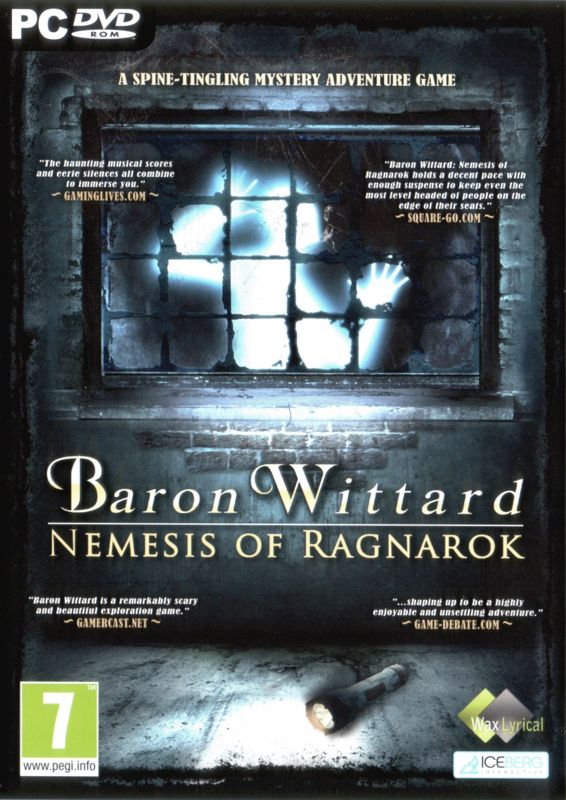
The first hour of Baron Wittard: Nemesis of Ragnarok has a wonderfully isolated hook: you arrive at Wittard’s Utopia to investigate disappearances, only to find an enormous apartment complex abandoned before it was finished. You move through 360-degree first-person viewpoints, turning to inspect rooms and corridors before choosing one of the preset directions onward. It is immediately reminiscent of Myst, not because it copies one puzzle or location, but because it asks you to slow down, look closely, and accept that progress may be sitting inside a strange machine you do not yet understand.
Most of your time goes into finding ten rune-stones and the separate devices that transform each one into energy. Neither half of that task is handed over easily. Transformers are spread across Utopia and guarded by riddles, while rune-stones can be puzzle rewards or simply concealed in the environment. This gives the game a satisfying scavenger-hunt structure once you have a sense of the building, but it also means you should take notes. Remembering where you saw an inactive device or an unresolved board-game-style puzzle saves a great deal of aimless retracing later.
The puzzle focus is firmly on mechanisms and abstract boards, rather than a large inventory full of odd objects to combine. Item use is limited: rune-stones go into their transformers, Wittard’s amulet has its purpose, and the camera gets one use. That restraint is refreshing if you hate trying every inventory item on every hotspot, though it puts pressure on the riddles themselves. When their logic clicks, you get that excellent adventure-game feeling of finally understanding a room that had seemed impenetrable. When it does not, the fixed viewpoint-to-viewpoint travel can make another search of the complex feel longer than it needs to.
This is a game for the patient puzzle fan, not someone looking for quick detective action. Treat every device as a problem worth studying and every strange detail as potentially useful. If you can meet it on those terms, the gradual accumulation of rune-stones gives the investigation a clear, compelling momentum.

Graphics
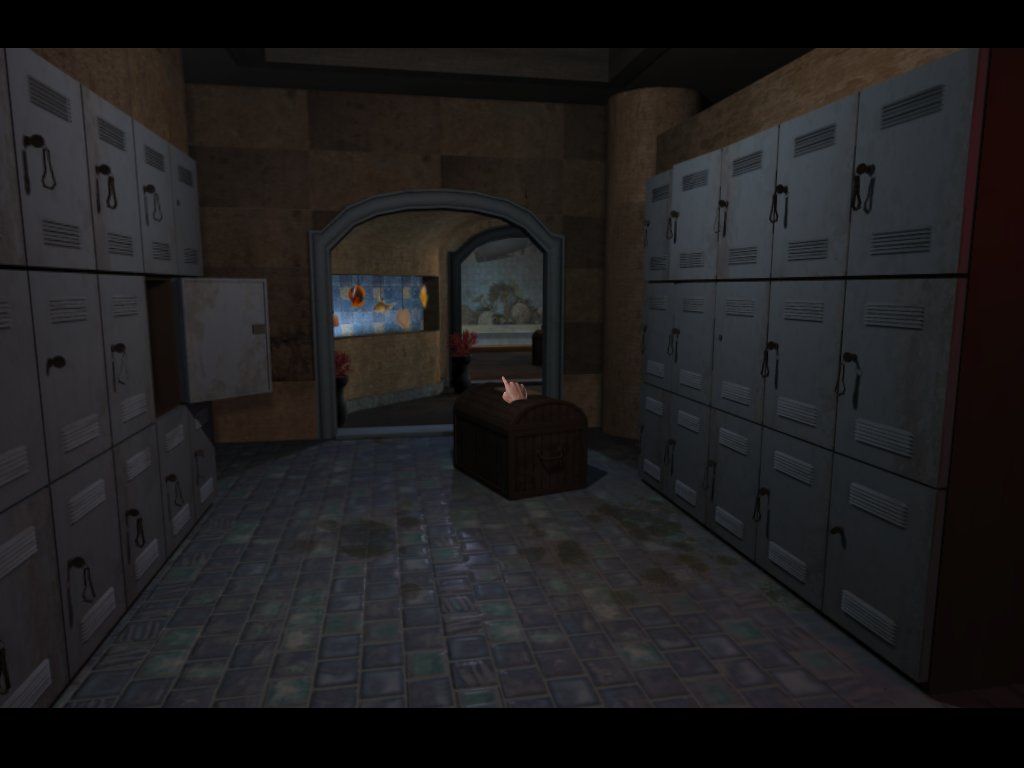
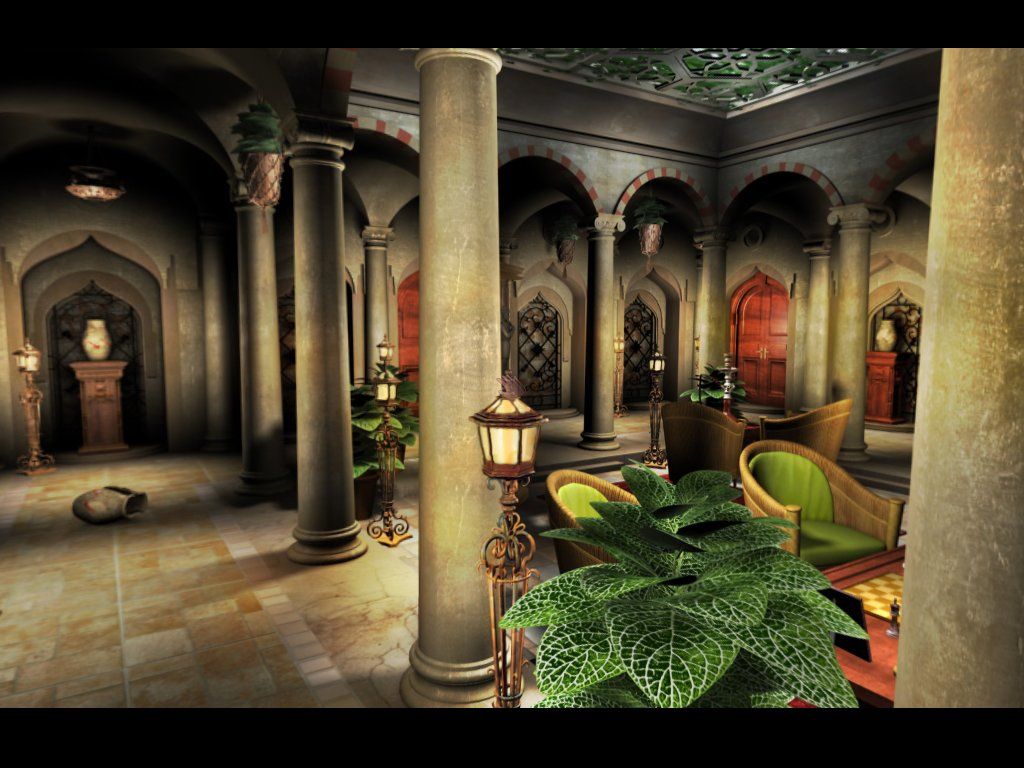
Utopia is viewed from a first-person perspective through real-time 3D, with full panoramic turns at each stop but predefined paths between locations. The unfinished apartment building and its abandoned rooms suit the game’s mystery well: you are repeatedly looking into spaces that feel incomplete, closed off, and built around secrets.

Story
What begins as a fairly grounded assignment for a press photographer steadily widens into a Norse-mythology threat. The missing people, the frozen construction project, and the peculiar presence of Baron Wittard give the early mystery enough weight to keep you moving before the larger Ragnarök stakes come into focus.
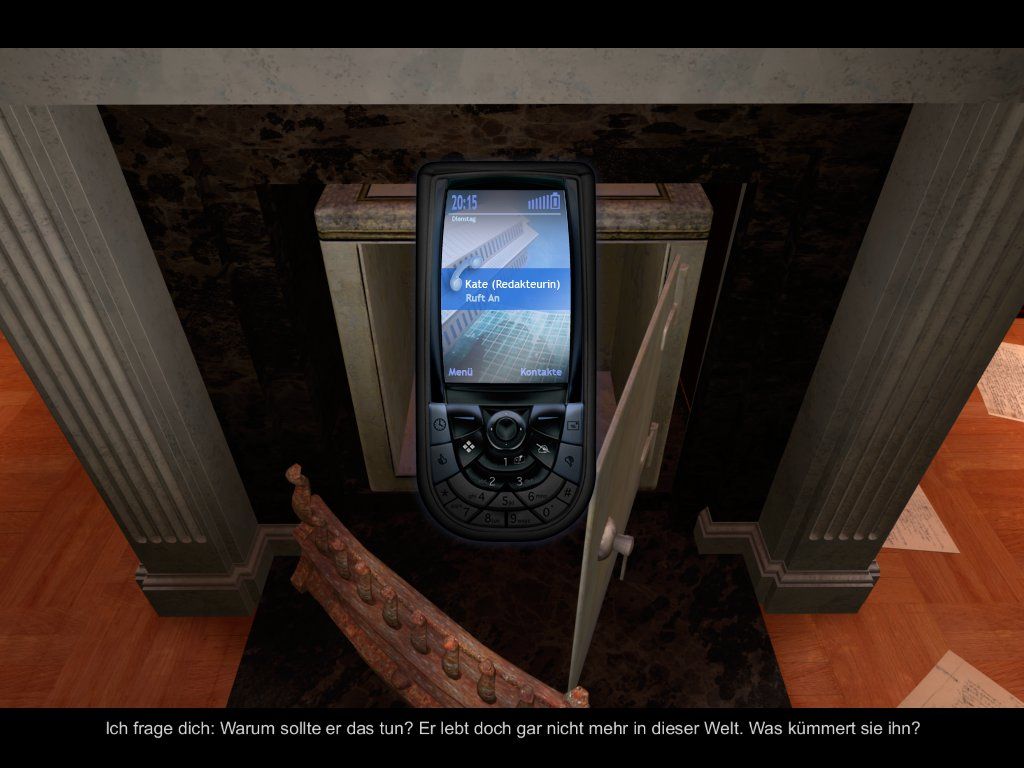
Wittard communicates through an amulet from another dimension, a setup that gives you guidance without turning the mystery into a conventional companion-driven adventure. The device is also tied into the puzzle work, so the story’s supernatural element does more than sit in the background. It becomes part of how you make sense of the place.
The move toward Fenrir and the twilight of the gods is knowingly grand for a game that spends so much time in a deserted housing complex. That contrast works better than it sounds. Each recovered rune-stone feels like another small piece of an occult disaster coming into view, and the game earns its escalation through the player’s steady excavation of Utopia’s locked-away systems.
Overall Experience
Baron Wittard: Nemesis of Ragnarok is uneven in the way many focused puzzle adventures are uneven: its best moments come when a machine, riddle, and scrap of story suddenly line up, while its weaker stretches ask you to revisit spaces and rethink clues with little immediate reward. The 6.9 score feels fair. There is a distinctive mystery here, but the journey demands more patience than polish can supply.
Still, its commitment to a single ominous location gives it character. You are not bouncing between unrelated scenes or collecting a mountain of nonsense inventory; you are learning the layout and secret purpose of one strange, unfinished building. That consistency makes the rune-stone hunt feel more purposeful than a generic checklist, even when it slows down.
Give it a chance if Myst-style observation, machine puzzles, and Norse-flavored supernatural mysteries sound like a good evening rather than homework. Go in ready to take notes, revisit unanswered riddles, and spend time with the building. If that rhythm frustrates you, Baron Wittard will feel stiff and drawn out. If it clicks, Utopia becomes an enjoyably unsettling puzzle box with a suitably apocalyptic secret at its center.


Reviews
There are no reviews yet.