 Retro Replay Retro Gaming History, Reviews & Emulation
Retro Replay Review
Gameplay
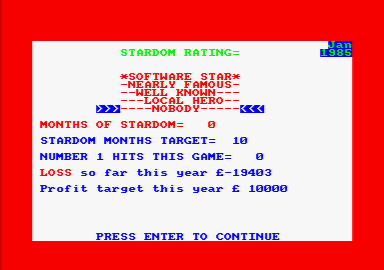
Software Star makes a strong first impression because its subject is so close to home. You run a computer games company and have to turn it into a “Software Star” for ten straight months while making £10,000 profit. That puts you in a constant tug-of-war: spend enough on development to raise a game’s quality, but do not spend so freely that the company falls apart before the sales arrive.
The monthly rhythm is where the game earns its modest charm. You hire and fire staff, try to manage their productivity, decide how heavily to advertise in each of four regions, and pick between Honesty and Hype for PR. None of these choices sounds glamorous in isolation, but together they make each release feel like a risk. A promising game can still struggle if you misjudge promotion, while a healthy-looking balance can be exposed by a badly timed expense.
Seasonality is especially important because it stops you from treating every month alike. Summer sales are lower, so planning as though demand will remain steady is a quick way to invite trouble. The monthly statement gives you a clear point to stop, assess the damage, and alter course. Then the annual board review turns that pressure into a proper threat: poor performance may get you fired.
This is not a game that flatters impatience. The satisfaction comes from noticing patterns, adjusting your spending, and surviving long enough for a plan to pay off. Seven difficulty levels mean you can start with a gentler challenge, while saving makes longer campaigns less punishing. Still, the narrow focus and financial emphasis can make it feel like work when your decisions fail to produce the numbers you expected.
Graphics
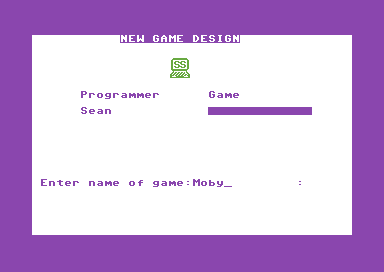
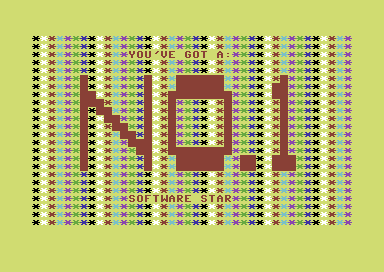
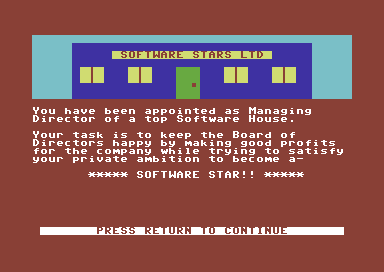
Software Star is an early home-computer management game built around business decisions and monthly results rather than elaborate imagery. Its on-screen information has to carry the experience: you are checking statements, weighing company choices, and tracking whether your business is moving toward profit or another uncomfortable meeting with the board.
Story
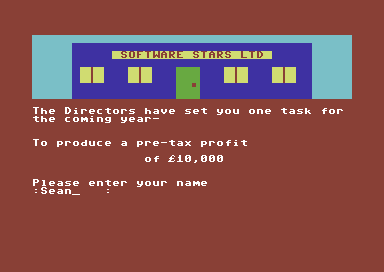
There is no authored drama to chase here. Your story is the rise or collapse of a small software company, measured in game quality, sales, profit, and the board’s patience. That modest premise fits the format: every month can become a small chapter of recovery, overreach, or stubborn survival.
The ten-month Software Star target gives the campaign a useful long-term ambition beyond simply staying solvent. You are trying to build momentum, not merely scrape through one good release. Because success must be sustained, a lucky month is not enough to carry you.
The choice between Honesty and Hype adds a small but pointed bit of personality to that business narrative. It asks what kind of company you want to run, even if the game’s real language is still sales figures and management decisions. The board reviews supply the closest thing to a villain: fail badly enough, and your career ends.
Overall Experience
Software Star is a curious, focused simulation whose best quality is how directly it turns the business of making games into a chain of uncomfortable trade-offs. There is something pleasingly unsentimental about its demands. Better products need development, staff require management, promotion needs money, seasons affect demand, and the board does not care much about your excuses.
Its limitations are equally clear. This is a numbers-led strategy game with a repetitive month-by-month structure, and much of the enjoyment depends on whether you find financial planning compelling. If you want the creative fantasy of designing individual games in detail, the emphasis on company management may feel austere. If you enjoy testing a budget, studying results, and revising a plan after a poor month, the loop has real tension.
At 5.6, Software Star lands as an interesting period piece rather than an essential management classic. It is worth trying for retro strategy fans, particularly anyone curious about a business simulation from the makers of Football Manager. Go in ready to think ahead, respect the calendar, and accept that becoming a Software Star is less about one brilliant decision than keeping a fragile company on course for long enough.


Reviews
There are no reviews yet.