 Retro Replay Retro Gaming History, Reviews & Emulation
Retro Replay Review
Gameplay
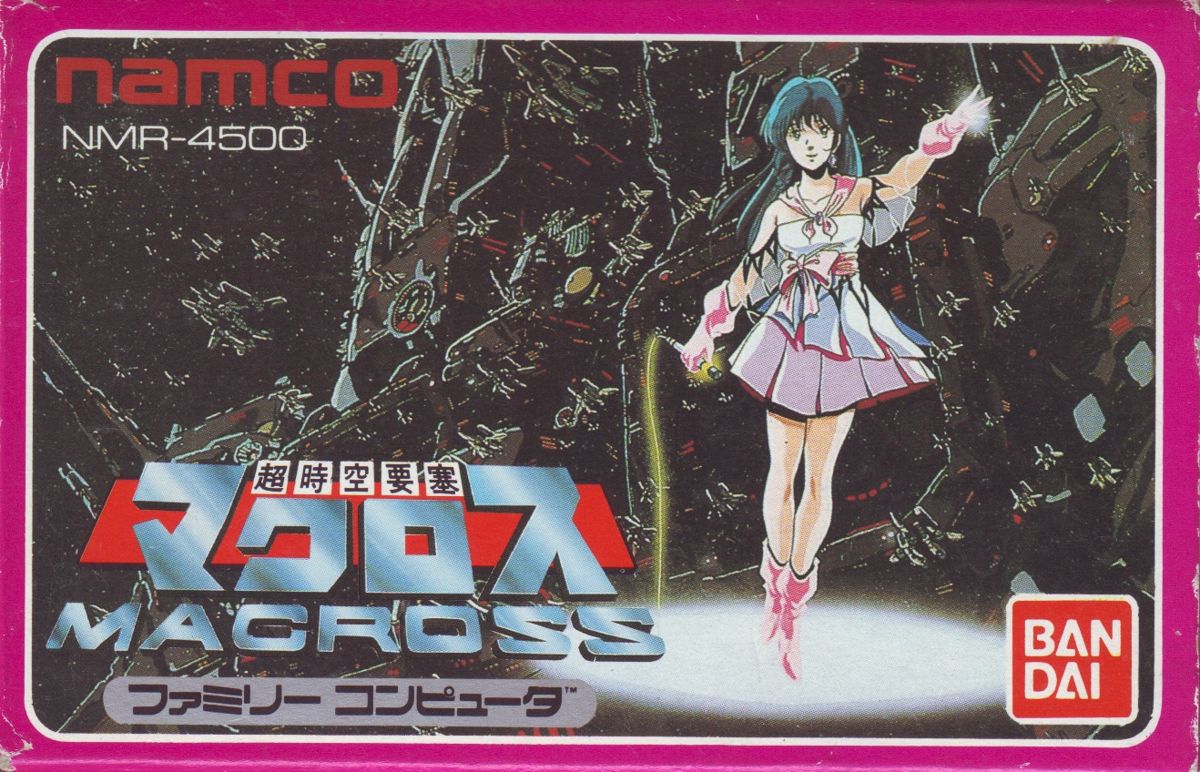
The first few minutes make a decent case for Chō Jikū Yōsai Macross. Flying the VF-1 Valkyrie through a scrolling battlefield has immediate arcade energy, and the goal of pushing into the Zentradi ship to destroy its reactor core gives the shooting a welcome sense of direction. You are not simply chasing points, even if points remain part of the reward loop.
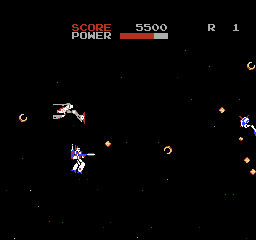
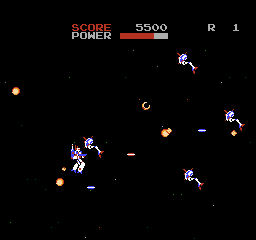
Transformation is the reason to play it. Fighter form moves fastest, which matters when enemy fire or incoming threats demand quick repositioning, but it gives up the automatic cannon. Gerwalk slows the Valkyrie down in exchange for that automatic fire, while Battroid is slower still but earns the useful ability to shoot behind itself. The three forms make you weigh mobility against firepower instead of settling into one comfortable rhythm.
That choice also exposes the game’s rougher edges. The safer, better-armed forms are slower at precisely the times a side-scroller can make speed feel essential. Battroid’s rear fire is clever, but its reduced movement can turn a good idea into a tense commitment. Homing missiles offer another lifeline, though their limited supply means you cannot treat them as a permanent solution.
Power-up icons keep runs moving by restoring power or missiles, awarding bonus points, and occasionally handing over an extra life. They are simple rewards, but they fit a game where recovery matters. The result is an old-school shooter built around managing the Valkyrie’s forms and resources rather than overwhelming complexity.
Graphics
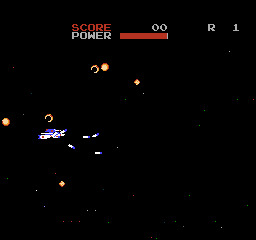
This is a 2D side-scroller centered on the recognizable VF-1 Valkyrie and its Fighter, Gerwalk, and Battroid forms. Watching the same craft change shape is the clearest visual draw, while the Zentradi conflict and spaceship setting give the action its anime-mecha frame.
Story
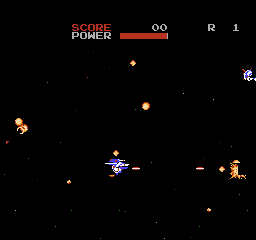
The story is functional and direct: the Zentradi are the enemy, and your mission is to break into their ship and destroy its reactor core. It gives every stretch of shooting a clear military objective without asking you to pause for a more elaborate narrative.
That economy suits the game. The VF-1’s transformations carry much of the Macross flavor, turning the license into a practical part of play rather than mere decoration. You feel like you are piloting a machine designed for changing combat conditions, not just a generic ship with a famous name attached.
Do not come here expecting a deep retelling of the wider conflict. The narrative mostly exists to propel you toward the reactor, but it is focused enough to make the final objective feel more meaningful than a routine end-of-stage target.
Overall Experience
Chō Jikū Yōsai Macross is more interesting than consistently exciting. Its transformation system is a genuinely good hook for a 1985 NES shooter, and it asks you to make real trade-offs: move quickly without automatic fire, slow down for stronger offense, or sacrifice more speed to cover your rear.
The payoff depends on how much patience you have for early side-scrolling shooters. If you enjoy learning when to switch forms, preserving missiles, and grabbing recovery items, there is a sturdy challenge here. If you want constant speed and smooth power fantasy, the Valkyrie’s slower configurations may wear thin before the reactor mission does.
Macross fans should give it a look for the VF-1 alone, while retro shooter fans can appreciate its attempt to add tactical texture to a familiar format. For a later take on the same universe, Chō Jikū Yōsai Macross: Scrambled Valkyrie is a related game worth knowing about. This NES entry is a middling but historically appealing shooter: worth sampling for its transforming Valkyrie, not essential unless that premise already speaks to you.


Reviews
There are no reviews yet.