 Retro Replay Retro Gaming History, Reviews & Emulation
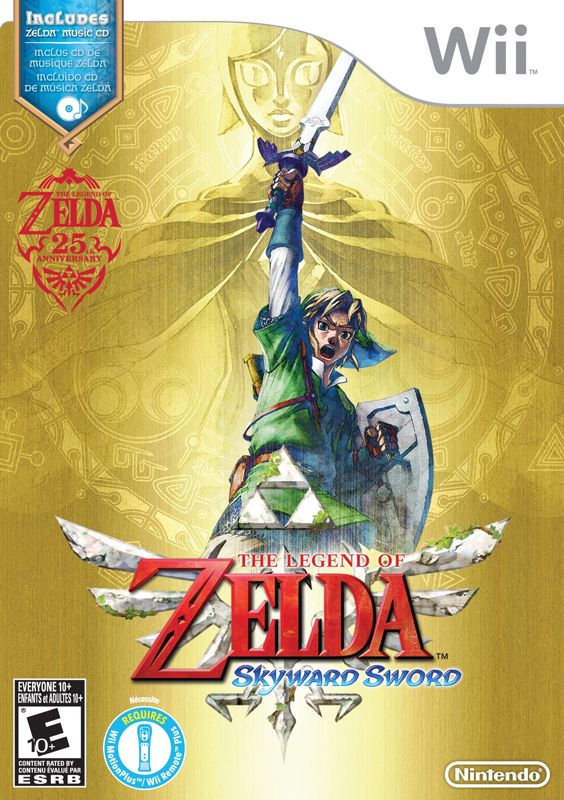
Retro Replay Review
Gameplay
The first stretch gives you a strong reason to keep moving: Zelda has vanished, Link has a sword spirit named Fi at his side, and the route from Skyloft to the Surface promises a proper adventure. Once you get down there, though, Skyward Sword makes clear that its overworld is not a broad field for casual wandering. It is closer to an extended puzzle space, full of obstacles and problem-solving on the way to each temple. If you want every trip between dungeons to feel purposeful, that focus can be satisfying; if you mainly come to Zelda for open-ended exploration, it can feel constraining.
Wii MotionPlus changes the feel of combat and puzzle-solving more than any one gimmick should. The sword is designed around one-to-one movement, so you are asked to think about how you swing rather than simply mash an attack button. When your motions are deliberate, it makes even a basic encounter feel more hands-on. When your inputs are off, that same precision can become a source of irritation. This is a Zelda where patience pays off more reliably than frantic waving.
The familiar dungeon rhythm remains the backbone: travel, solve a chain of puzzles, beat a boss, and move the story forward. That dependable structure is a strength because the game keeps giving your progress a clear destination. On Switch, the HD release eases several old frictions with improved motion controls and an entirely new button-and-stick option, plus a free camera at certain points. Autosaves at owl statues, skippable scenes and dialogue, and streamlined tutorials also make it much easier to settle into the adventure rather than wrestle with its setup.
Graphics
Skyloft’s floating-island setting and the descent to the Surface give the adventure a pleasing contrast between a home above the clouds and a long-forgotten land below. The Switch HD edition improves the graphics and frame rate, and its freer camera at certain points makes it easier to take in your surroundings while you explore.
Story
This is a direct, personal Zelda story: Link begins in Skyloft, loves Zelda, then watches a sudden tornado carry her away during a flight on their bird mounts. That opening is clean and effective. You do not need a dense mythological briefing to understand why Link heads into danger; you are chasing someone important to him.
Fi gives the quest a second companion presence, guiding Link as the spirit within his sword. The central search for Zelda keeps the plot moving through the game’s temple-by-temple structure, so each major stop feels tied to a larger goal instead of being an isolated challenge.
The Switch version is especially kind to anyone returning for the story or trying it for the first time. Being able to skip cutscenes, dialogue, and Fi’s interactions means you can control the pace better. That does not change the tale itself, but it helps the emotional through-line stay front and center when you are eager to get back to the search.
Overall Experience
Skyward Sword is a very good Zelda adventure with a particular temperament. Its strongest moments come when its motion-aware puzzles, deliberate swordplay, and dungeon progression all line up and make you feel physically involved in the journey. Its less flexible overworld structure will test anyone expecting the looser exploration associated with some other entries.
The Switch HD version is the easiest recommendation because it respects your time more actively. Button controls offer an alternative to motion play, while autosaves and trimmed tutorial interruptions reduce the chances that the opening or routine backtracking wears you down. The Loftwing amiibo can also instantly move Link between Skyloft and the Surface, which is a useful convenience for anyone who has it.
If you want to compare it with the Limited Edition Pack, the core adventure remains this distinct, puzzle-driven chapter in the series. For release background, see Skyward Sword’s game history. Give it a chance if you are willing to meet it on its own terms: less a freeform trek than a carefully built quest where precision and persistence make the eventual victories feel earned.


Reviews
There are no reviews yet.