 Retro Replay Retro Gaming History, Reviews & Emulation
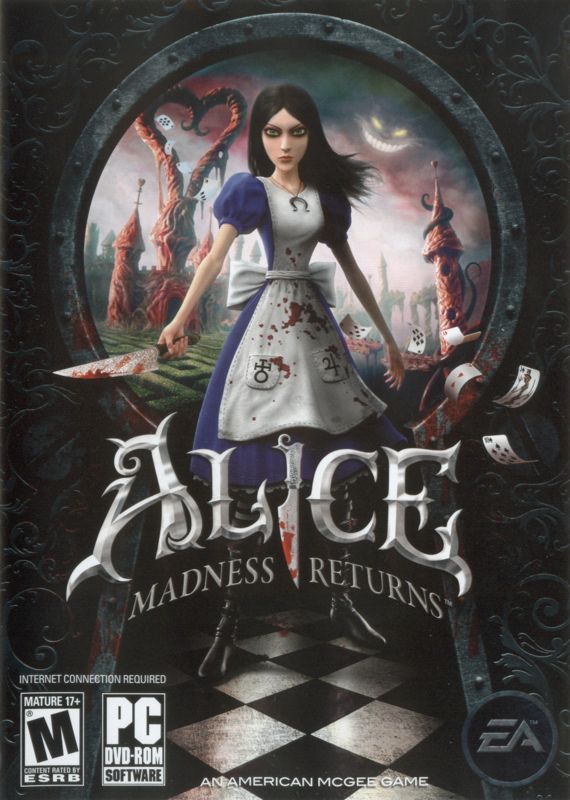


Retro Replay Review
Gameplay
The first stretch of Alice: Madness Returns has a strong forward pull because Alice is constantly being asked to do something different: clear an enemy encounter, thread a series of jumps, shrink down to spot a route, or use a ranged shot to trigger a distant switch. The basic movement is generous enough to encourage experimentation. Triple-jumping and gliding make platforming feel less like a rigid test of precision and more like a search for the next improbable ledge.
Combat starts to click once you stop treating every weapon as interchangeable. The Vorpal Blade is for quick pressure, while the Hobby Horse is slower but useful against defenses. The pepper grinder and tea cannon give you ranged answers, and the umbrella’s projectile reflection rewards paying attention to what an enemy is throwing at you. Focus mode is especially helpful when a fight becomes crowded, keeping a chosen target in view rather than forcing you to wrestle with the camera.
There is more going on than simple button-mashing. Dodging into butterflies, dropping a timed bomb, and using hysteria when health is low give battles a scrappy survival edge. That said, the 50/50 blend of combat and platforming means your patience with repeated jumping sequences matters as much as your appetite for hacking through enemies. If you enjoy poking into corners, the teeth economy, weapon upgrades, hidden memories and bottles, Cheshire Cat riddles, and radula rooms give you plenty of reasons to explore rather than charge straight ahead.
The side activities are a smart change of pace. A 2D platforming segment, rolling-ball challenges, and submarine stages break up the core loop without abandoning the game’s larger journey. Finishing the campaign also opens New Game+ with increased difficulty, which makes the upgrades and familiarity with enemy behavior more valuable than they might seem on a single straightforward run.

Graphics
The behind-the-back view keeps Alice central as she moves between nineteenth-century London and five large Wonderland chapters with different themes and enemy types. The giant train is a memorable threat because it is not merely discussed; it becomes a looming image tied directly to Wonderland’s danger.

Story
This is not a lighthearted Carroll retelling. Alice begins in an institution for children with psychological problems, haunted by memories of her family dying in a fire, and the game grounds its fantasy in that distress from the outset. Wonderland is therefore more than a colorful detour: it is bound up with a mind under pressure and a threat she needs to understand.
The central mystery—what the train means and why it is tearing toward Wonderland—gives the adventure a clear reason to keep moving through its chapters. You are not just collecting weapons for the next fight; you are pushing Alice toward an explanation for something that has already damaged her life. That thread is the game’s most effective source of momentum.
Returning characters from the earlier game and new figures drawn from Lewis Carroll’s novels widen the cast without changing the focus away from Alice. You will get more from the emotional starting point if you know the prior game, since this begins where that story left off, but the immediate stakes are plain enough to make this a workable entry on its own.
Overall Experience
Alice: Madness Returns is at its best when its dark story, exploratory platforming, and varied combat are all pulling in the same direction. It has enough mobility tools and weapon choices to keep you actively involved, and shrinking is a particularly useful twist because it serves exploration, route-finding, and objective clues instead of being a one-note gimmick.
Its biggest demand is commitment. This is a long-form action-platformer built around large chapters, collectibles, upgrades, and frequent shifts between fights and traversal. If you only want a tightly focused combat game, the platforming and scavenging can feel like interruptions. If you enjoy a game that lets you wander off for a health increase, a hidden memory, or a weapon upgrade, those same detours make the world feel worth searching.
The payoff is a distinctive single-player journey with real variety and a more troubled emotional core than its weapons-and-monsters surface suggests. Give it a chance if you want a horror-tinged fantasy game where getting better at movement is just as important as landing the next hit. It is uneven by design, but rarely dull, and its willingness to keep changing the activity gives the whole trip an energy that carries it through.



Reviews
There are no reviews yet.