 Retro Replay Retro Gaming History, Reviews & Emulation


Retro Replay Review
Gameplay
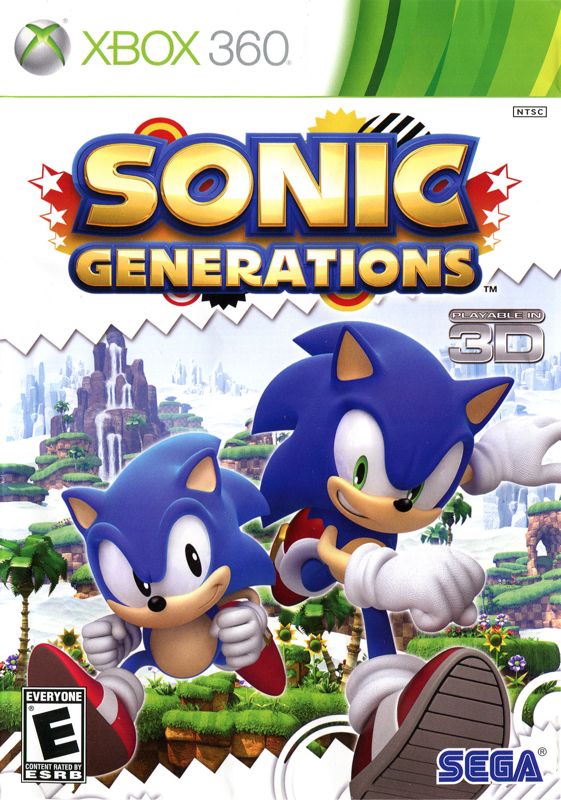
The first hour is a potent reminder of why Sonic’s speed can be thrilling when the course gives it shape. Classic Sonic’s acts are entirely side-scrolling, built around running, spin jumps, and the spin dash. Modern Sonic’s acts trade that spin dash for a homing attack and a huge forward boost, shifting between 2D stretches and behind-the-back runs. You are not just replaying the same level twice with a cosmetic swap; the two versions ask for different instincts.
Classic Sonic is the steadier half. His limited move set makes the platforming easier to parse, and a good run comes from maintaining momentum without blindly outrunning the hazards. Modern Sonic is more exhilarating and more demanding. Boosting at high speed feels fantastic when you recognize the path ahead, but it can turn into abrupt mistakes when you do not. The repeated runs are part of the deal: routes become clearer, jumps become more confident, and the stages start rewarding knowledge instead of panic.
There is real value beyond simply clearing the nine main stages. Each era adds a rival battle and ends with a reimagined classic boss, while the large set of challenge stages changes the focus through side characters or specific gimmicks. Red Star Rings encourage a more observant second pass, and the unlockable music, concept art, and abilities make completion feel like a celebration of Sonic history rather than busywork. The abilities, including faster stopping and alternate shields, are useful tools for tailoring another attempt.
That structure also makes the game easy to recommend to two different kinds of Sonic fan. If you grew up with the side-scrollers, Classic Sonic gives you a direct, compact return to that style. If you prefer the rush of the newer games, Modern Sonic supplies the louder, faster spectacle. If you enjoy both, the alternating acts are the whole reason to play: Sonic Generations keeps changing the rhythm before either approach has time to wear thin.

Graphics
The contrast between the two acts is immediately visible. Classic Sonic stays in side view, while Modern Sonic swings between side-on platforming and behind-the-back sequences that put the course rushing toward the camera. Revisiting stages drawn from games spanning Sonic’s history gives each era a distinct backdrop, and the reimagined boss encounters add welcome visual variety.

Story
The story knows it is here to connect a birthday-party disaster to a greatest-hits journey. A mysterious creature tears Sonic and his friends into interdimensional portals, disrupts time and space, and leaves Sonic paired with a younger version of himself at a crossroads of time. It is clean, functional setup for moving through the series’ past.
The two-Sonics premise is more charming than complicated. Classic Sonic and Modern Sonic represent the game’s central split in play style, so having them work together gives the tour a little personality without dragging it into a dense time-travel plot. The goal remains straightforward: restore Sonic’s history, rescue his friends, and repair the flow of time.
Do not come expecting a deeply layered character drama. Come for a light anniversary adventure that has a credible excuse to revisit famous locations, rivals, and boss ideas. For this kind of Sonic game, that is enough; the strongest storytelling happens when a familiar stage returns in a newly playable form.
Overall Experience
Sonic Generations earns its 8/10 because it understands exactly what its anniversary format needs to do. It does not merely point at Sonic’s past; it turns that past into two distinct styles of play, then backs the main journey with challenges and collectibles that reward repeat runs. The result feels focused rather than bloated.
Frustration can set in when Modern Sonic’s speed gets ahead of your ability to read a route, especially before you know a stage’s turns and hazards. Yet that same volatility is tied to its best moments. Learn the layout, make the right reaction at the right time, and a previously messy attempt becomes a thrilling sprint. The payoff is worth the occasional reset.
This is a strong choice if you want a Sonic game that respects both the old 2D formula and the faster modern approach without forcing you to choose one. Completion-minded fans will get the most from the Red Star Rings, challenge stages, music, and art unlocks, but even a straightforward run has plenty of momentum. For additional game history and release context, see Sonic Generations’ overview.


Reviews
There are no reviews yet.