 Retro Replay Retro Gaming History, Reviews & Emulation


Retro Replay Review
Gameplay
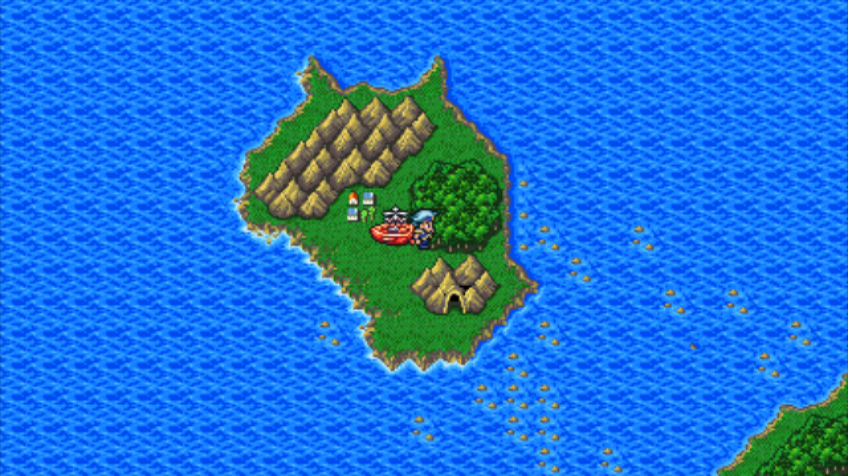
The After Years earns your attention by making Final Fantasy IV’s battle loop feel comfortable almost immediately. You cross the world map, stock up in towns, push into dungeons, and handle random encounters through Active Time Battle. If you know the original, you will feel at home; if you do not, the pace still has that classic tension of deciding what to do before an enemy’s turn arrives.
The moon phase system is the best reason this is more than a simple rerun. Four phases alter battle performance for both sides: a waning moon, for example, strengthens melee attacks while weakening ranged ones. That can make you reconsider a party’s usual attack pattern, and it gives resting at an inn, using a tent, or using a cottage a little more weight than ordinary recovery. It is a smart wrinkle, although the fact that phases can change over time means a plan can stop being ideal during a long stretch of adventuring.
Band attacks are the other meaningful addition. Characters can combine their turns for special attacks, defensive moves, or advanced magic, and discovering them through experimentation gives party combinations some welcome curiosity. The cost is real: everyone involved spends MP, and the charge time leaves them exposed. That risk keeps Bands from becoming an automatic answer to every boss, but it can sting when you commit to one and the enemy gets to punish the setup.
The episodic structure is both the hook and the friction. Early Tales narrow the focus to a smaller cast and let you spend time with characters such as Ceodore and Kain, rather than immediately juggling more than 20 playable characters. On Wii, though, the base release only includes the Prologue, Ceodore’s Tale, and Kain’s Tale; the larger story is spread across additional downloadable episodes. The optional Challenge Dungeon gives Ceodore and Kain a tougher post-chapter test, but it does not solve the feeling that this version arrives in pieces.
Graphics
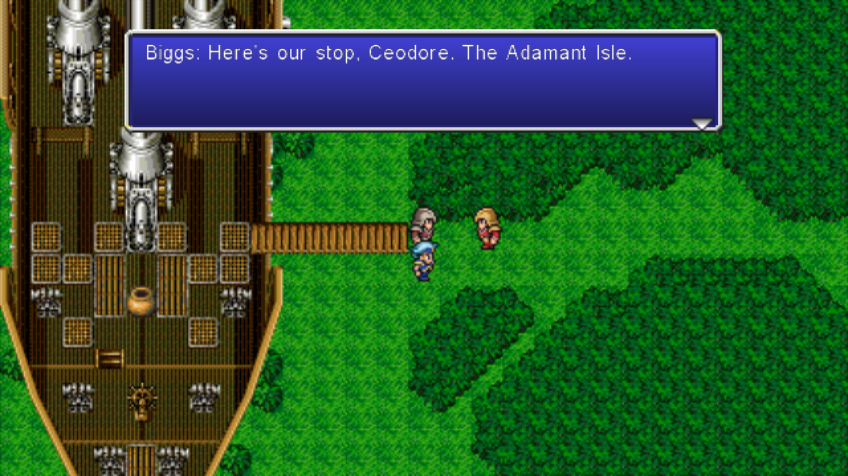
The Wii version uses enhanced graphics while retaining assets drawn from different Final Fantasy IV releases. Returning characters, towns, world-map travel, and dungeon exploration therefore carry a deliberately familiar Final Fantasy IV look rather than breaking sharply from the earlier game’s visual language.

Story
This is a direct sequel that knows its strongest card is familiarity. A new moon threatens the Blue Planet, a mysterious figure resembling Rydia appears across the world, and the old heroes are pulled back toward another crisis. That setup gives longtime Final Fantasy IV fans an easy reason to lean in: the sequel is not coy about wanting to revisit a world and cast you already care about.
Ceodore makes for a sensible opening lens. As Cecil and Rosa’s son and an apprentice in the Red Wings, he begins with a trial to earn proof of knighthood rather than with the stature of the older heroes. His early chapter, including an escape from Baron alongside the Hooded Man, gives the sequel room to introduce a new generation without pretending the past has disappeared.
The wider cast is where the episodic format has its real potential. Yang’s daughter Ursula and Edge’s ninja apprentices sit alongside returning figures such as Kain, while the separate Tales gradually widen the scope. That makes the story feel like a reunion assembled chapter by chapter. It works best when you want time with these particular people; the main mystery is the thread tying the episodes together, not a replacement for the emotional history Final Fantasy IV already built.
Overall Experience
The After Years is an affectionate, sometimes awkward follow-up. Its core RPG structure is old-fashioned even by the standards of its source game, and random encounters can wear thin when you are trying to reach the next plot beat or boss. But the moon phases and Bands prevent combat from being entirely on autopilot, especially once you start weighing the danger of charging a combined move against its payoff.
You should give it a chance if returning to Final Fantasy IV’s world matters more to you than seeing the formula reinvented. The game has a particular pleasure in moving from a new hero’s smaller chapter toward a larger gathering of familiar faces. If you are cold on the original’s ATB battles, dungeon-heavy progression, or random fights, this sequel is unlikely to change your mind.
For the Wii version specifically, be ready for a serialized commitment: the initial chapters establish the journey, while the rest of the Tales continue through downloadable content. That format remains central to how the game feels, not a side note. For release and version history, see this overview of Final Fantasy IV: The After Years; for playing the expanded story as one assembled package, the PSP’s Final Fantasy IV: The Complete Collection is the more convenient recommendation.


Reviews
There are no reviews yet.