 Retro Replay Retro Gaming History, Reviews & Emulation
Retro Replay Review
Gameplay
The first stretch of Beastlord can fool you into thinking it is simply an old-fashioned scrolling beat-’em-up. Your young hero can throw a variety of attacks at the Lord of Darkness’s orcs, enemies drop food and money, and the immediate rhythm is familiar: push forward, clear resistance, see what lies beyond. That directness gives the game an easy entry point, especially when you need food to restore an energy bar that is always ticking downward.
Before long, though, fighting becomes the maintenance work around the real task: figuring out how to move through each branching level. Progress depends on talking to animals and humans, finding items, using them in the proper place, and sometimes trading one object for another. These interactions come through a pop-up menu, which gives Beastlord a slower, more deliberate pace than its action-game shell suggests. You are not merely clearing a route; you are mapping it in your head and trying to understand who or what can help.
That combination can be engrossing when a clue, item, and blocked route finally line up. The Beastlord premise matters here because communication is not just flavor; conversations are part of the route forward. Basic magic adds another tool, while the day/night cycle means some solutions only work at certain times. The game asks you to pay attention rather than blindly advance, and that is its most interesting quality.
It is also where frustration sets in. Hunger makes combat feel compulsory even when you would rather concentrate on a puzzle, and time-based requirements can leave you waiting or retracing ground. Item-use and trade puzzles have the kind of opaque, old-school logic that rewards persistence more reliably than intuition. Come in ready to explore carefully, remember conversations, and tolerate detours. If you want clean action momentum, Beastlord’s interruptions will wear you down.
Graphics
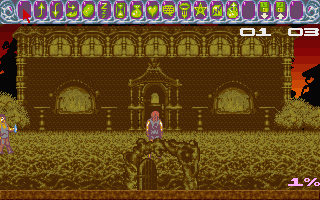
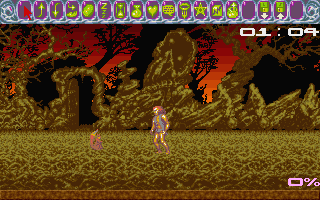
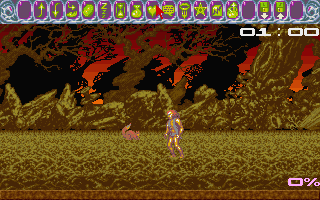
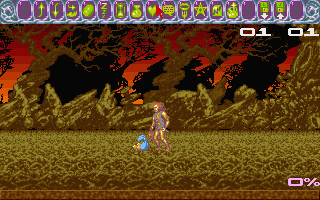
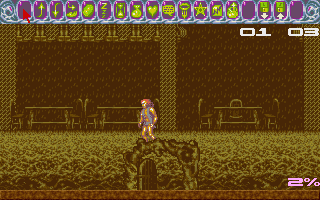
Beastlord uses side-scrolling fantasy stages with branching routes to explore, and its enemy pressure comes from the Lord of Darkness’s orc hordes. The view is built around moving your hero through these horizontal environments rather than staging combat in separate arenas.
Story
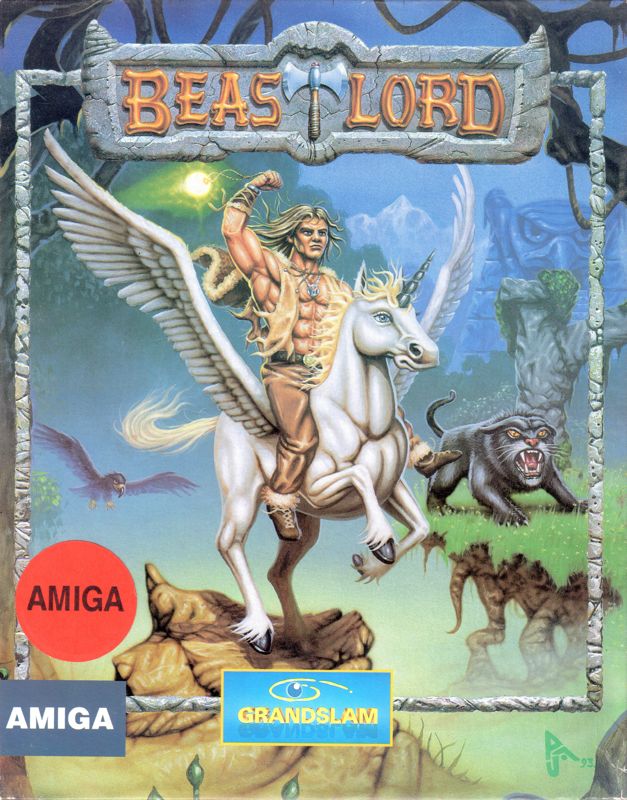
The story gives the adventure a pleasingly mythic objective: the Lord of Darkness has imprisoned three guardians of the world—a unicorn, a hawk, and a beam of light—and his orcs are overrunning everything. Your goal is to free those guardians across three levels, which is a clear enough reason to keep pushing through the game’s roadblocks.
What separates the hero from a generic fantasy fighter is his ability to interact with animals. Beastlord does not treat the world as a line of enemies and treasure; animals and humans can both be spoken to, and those encounters feed directly into puzzle-solving. That makes the quest feel more like a compact adventure game hiding inside an action game.
Do not expect the story to carry you through on drama alone. Its value is in how it frames your exploration: every conversation, trade, and odd requirement can feel tied to restoring a damaged world. The guardian-rescue premise is simple, but it fits the game’s mix of combat and careful investigation well.
Overall Experience
Beastlord is a peculiar 1993 hybrid, and its rough edges are inseparable from what makes it memorable. It wants you to brawl for survival, but it also wants you to stop, talk, test items, and account for the passing day. That push and pull gives the game more character than a straightforward action title, even when it slows the pace to a crawl.
The payoff is real if you enjoy untangling a small, branching fantasy world and do not mind being held responsible for your own progress. A successful solution feels earned because you have likely fought to stay fed, searched for an object, and revisited an earlier lead before reaching it. That sense of stubborn discovery is Beastlord’s best argument.
At the same time, the constant energy drain and potentially finicky puzzle progression make this hard to recommend as a breezy retro action pick. Give it a chance if you like games that mix exploration and inventory-style problem solving into their combat. Skip it if you want every obstacle clearly signposted or every fight to propel you cleanly onward.


Reviews
There are no reviews yet.