 Retro Replay Retro Gaming History, Reviews & Emulation

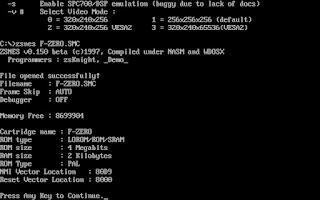
_Demo_ was a founding programmer of ZSNES with zsKnight. Their October 1997 DOS release was one of the year’s most consequential attempts to make Super Nintendo games playable at speed on a home PC.
Handle: _Demo_
Known for: Co-creating ZSNES
First public release: October 14, 1997
Collaborator: zsKnight
A coauthor, not a footnote
Stories about a fast emulator often settle on one recognizable handle. ZSNES’s founding credit belongs to zsKnight and _Demo_. The project did not emerge fully formed when version 0.150 appeared on October 14, 1997. It came from earlier private testing, assembly work, and a long series of questions about how SNES hardware behaved. _Demo_ brought experience from an attempt to write an SNES emulator and joined the project as it took shape. The details of private development are less well preserved than the public release history, but the two-person founding credit is clear.
The program’s goals were demanding. A Super Nintendo game could rely on different background modes, sprites, DMA, a sound processor, and special timing. Implementing only the most common display path would produce a few attractive images and many broken games. The initial ZSNES changelog lists broad support while openly noting bugs. That was the right kind of ambition for the moment: enough functionality to let users explore real games, enough honesty to warn them the code was still moving.
The DOS target also shaped the work. A 1997 PC had finite memory and speed, and every extra layer of abstraction could affect playability. Assembly programming let the team optimize heavily, although it could make maintenance and portability harder. The early result impressed players because it could move quickly on machines that struggled with other SNES programs. _Demo_’s contribution belongs inside that achievement, not in a separate box labeled “helper.”
Progress written in release notes
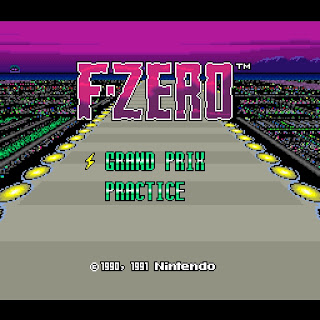
The ZSNES history records a burst of releases after October 14. Fixes to sound and graphics appeared within days. November 4 brought a simple GUI, stereo sound, and numerous compatibility changes. December’s release notes thanked people across the scene for information on specific hardware behaviors. Those notes are the closest thing to a public diary of the team’s first season. They also prevent a common historical error: describing the debut as if it already had every feature associated with later ZSNES.
The notes reveal what emulation work feels like after a headline launch. A register calculation is off, so a visual effect breaks. A timer needs adjustment, so the music or CPU behavior changes. A new menu makes the program easier to use, but creates a new way for a file browser to fail. Each issue is small enough to fit in a changelog entry and important enough to change a player’s experience. _Demo_ and zsKnight worked in that stream of corrections. The speed of publication made the software feel alive, and it made the authors’ decisions highly visible.
A controversy around information
The team’s visibility brought an unwelcome accusation. In October Gary Henderson of Snes9x alleged that a former teammate had provided private source information to ZSNES. zsKnight denied receiving Snes9x source; Mr. Grim denied passing it. The surviving Archaic Ruins pages preserve the correspondence and a later critique of how it had been reported. There is no basis in those pages for presenting _Demo_ as having copied source code. The disagreement is part of the period, but it is an allegation and response, not a settled finding.
What can be shown more concretely is the team’s handling of two SPC700 instructions, TCALL and PCALL. The ZSNES changelog records their removal while information was questioned and their restoration with thanks to Gary Henderson. That sequence is remarkable because it sits between the public messages. The same teams whose supporters were arguing could still exchange or acknowledge technical help. _Demo_’s ZSNES work developed inside this uncomfortable mix of competition, collaboration, and suspicion.
A handle with a real place in history
The surviving public record tells us more about _Demo_’s code and team role than about private life. That is not a reason to invent a first name, a home city, or a portrait. Handles were genuine identities in the 1990s emulation community, and a project could earn its reputation under them. This page uses the handle exactly as readers encountered it and uses a question-mark portrait placeholder and an image of the software.
ZSNES’s later influence rests on years of work by many people, but its 1997 beginning had a specific team. _Demo_ helped make an audaciously fast SNES emulator public at a moment when readers were hungry for one. The early release history shows the team learning in front of its audience, accepting help, fixing mistakes, and continuing despite a dispute that briefly engulfed the SNES scene. That is enough to put _Demo_ among the people who shaped 1997 rather than leaving the name buried in a software credit line.
_Demo_ in the History of Video Game Emulation
1997 Part II: The 16-Bit Race, PlayStation Dreams, and a Public Fallout
_Demo_ enters this history in the 1997 chapter. co-created ZSNES with zsKnight. Their rapid 1997 releases pushed graphics, sound, and speed while drawing intense attention from rival SNES teams.
Related People
- zsKnight — co-created ZSNES and helped bring its fast first public release to DOS players in October 1997. The project soon became central to a heated argument about shared technical knowledge.
- Gary Henderson — carried SNES emulation forward through Snes96 and Snes9x. He worked on difficult sound behavior and shared discoveries even as the SNES race grew tense.