 Retro Replay Retro Gaming History, Reviews & Emulation

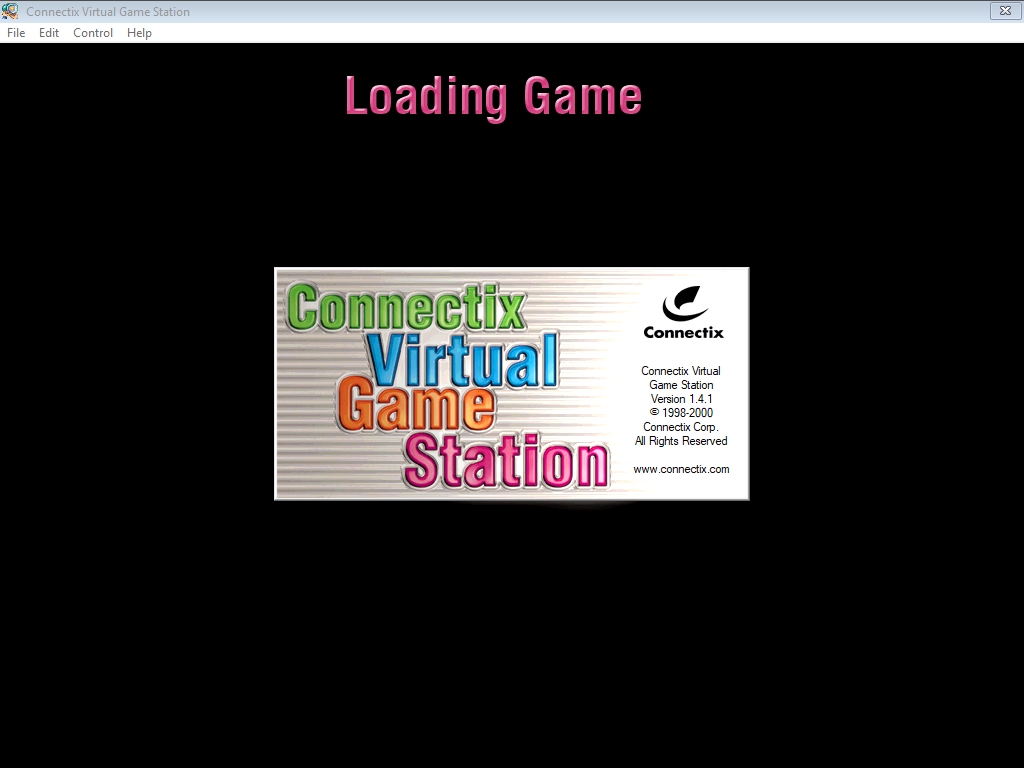
Eric Traut’s CPU recompilation work helped Connectix Virtual Game Station turn PlayStation instructions into a playable Macintosh experience in 1999.
Name: Eric Traut
Known for in this history: CPU recompilation work for Virtual Game Station
1999 context: Connectix launched the emulator at Macworld and faced Sony’s lawsuit
Collaborator: Aaron Giles
Portrait: No verified portrait located for this project
The invisible engine
When Virtual Game Station impressed the Macworld audience, the visible result was a PlayStation game on a Macintosh screen. The CPU problem behind that image was less obvious. PlayStation software was written for a different processor. Running it at useful speed meant translating behavior so the Mac could execute it, while preserving the state the game expected. Eric Traut worked on the program’s dynamic recompilation component. That contribution helped turn an emulator from a technical demonstration into something a customer could use.
Traut’s role should be understood alongside Aaron Giles‘s. A CPU translator alone is not a whole PlayStation emulator; graphics, audio, disc access, input, and timing have to cooperate. Yet a slow or incorrect CPU core can defeat every other piece. The court record and later firsthand accounts from the Connectix team help identify the engineering beneath the company name.
Performance becomes a legal story
Virtual Game Station shipped in January 1999, and Sony challenged it soon afterward. The public argument concerned copyrights, reverse engineering, and market control. For Traut and his colleagues, the lawsuit attached to work they had made concrete enough to sell. An April district-court injunction interrupted sales. The following year’s appellate decision changed the legal result, but that was still ahead of the team in 1999. A biography that jumps straight to the eventual ruling loses the uncertainty of the launch year.
Macworld’s practical review is useful because it judged what customers experienced: many games worked, some did not, and response could be sluggish. Those limits do not diminish Traut’s contribution. They reveal the difficulty of translating a current console’s behavior onto a contemporary Mac, not a modern computer with abundant spare power.
Credit behind a corporate logo
Many histories name Connectix, perhaps Giles, and move on. Traut belongs in the record because the product was a team achievement with identifiable technical contributions. The January release also demonstrates a recurring theme in emulation history: a clever CPU solution must be integrated with every other device to produce a game that feels playable. That integration is easy to take for granted when the final interface asks the user only to insert a disc.
This project has not located a verified portrait or a detailed firsthand account of Traut’s private life. The question-mark portrait is not a claim that he was obscure to colleagues. It marks the limit of the images and sources assembled here while preserving the technical credit that the public record supports.
Eric Traut in the History of Video Game Emulation
1999 Part I: When Emulators Met the Lawyers
Eric Traut’s CPU recompilation work helped Connectix Virtual Game Station turn PlayStation instructions into a playable Macintosh experience in 1999.