 Retro Replay Retro Gaming History, Reviews & Emulation
In January 1999, Connectix put PlayStation games on a Mac using the same discs players put into Sony’s console. Before the month ended, a Windows PC could run selected Nintendo 64 games, too. These were games for machines still on sale, and players were eager to try them. The console companies were reaching for their lawyers.
January: a PlayStation on the Macworld stage
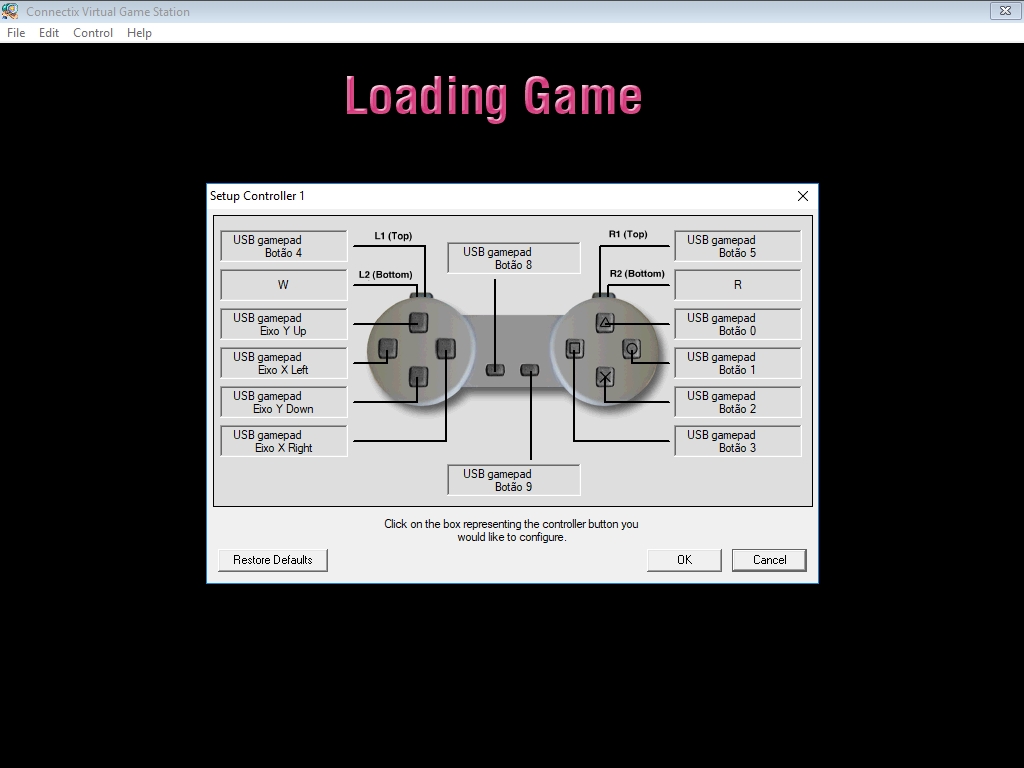
The most theatrical emulation moment of early 1999 did not occur in a dark IRC channel. It happened at Macworld in San Francisco, in front of a crowd expecting Steve Jobs to make the Macintosh look exciting again. Connectix showed Virtual Game Station, a commercial program that let a Power Mac G3 run PlayStation games from original discs. The contemporary Macworld report described the $49 product as shipping at the show. This was not a programmer’s private demo or a screenshot of a boot logo. A customer could pay for an emulator, insert a game disc, and see a current console’s software on a Mac.
Connectix was selling access to Sony’s still-active PlayStation library. Earlier emulator authors could point to aging machines they were reviving, hardware they were documenting, or experiments that barely ran commercial games. Virtual Game Station offered Mac owners games that publishers often had not bothered to port. For someone with a thin computer game catalog, that was an appealing prospect. Sony saw an outside company using the appeal of the PlayStation to sell a product—and changing where its games could be played.
One of the engineers building that bridge was Aaron Giles, who later became important to MAME. Connectix chief executive Roy McDonald made the business case in a February 1999 interview: giving people more ways to play could mean more software sales. That was a possibility he was arguing for, not an increase already demonstrated. Sony’s objections concerned copyright, the console’s identity, and control over its platform. A $49 Mac program had brought those competing interests into direct conflict.

Aaron Giles Aaron Giles co-created Connectix Virtual Game Station, the PlayStation emulator demonstrated at Macworld in January 1999, and later became a major MAME contributor.
Playing through Virtual Game Station also came with compromises. A Macworld hands-on review published in April found that many games worked well, but some did not, and response could feel sluggish. It recommended G3 hardware. Owning a disc that worked on a PlayStation did not guarantee the same experience on a Mac: the game might run, yet feel slower to respond to your inputs. Still, Connectix had reached the point where a reviewer could judge how well commercial games played, rather than simply report that one had managed to start.
Sony files its first case
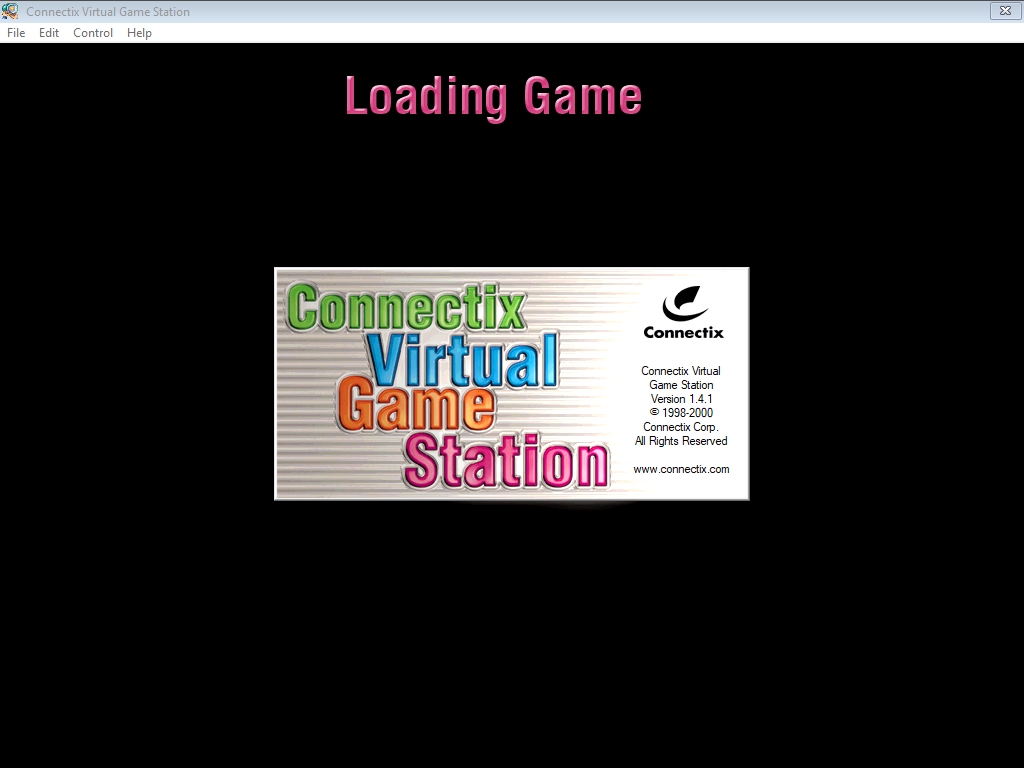
Sony sued Connectix in January, while Virtual Game Station was already on sale. The contemporary Washington Post account described Sony’s claims involving copyright and anti-piracy measures, alongside Connectix’s argument that its emulator could increase demand for legitimate PlayStation discs. Customers were still finding out how their games ran while the companies fought over whether Connectix could keep selling the program.
Virtual Game Station exposed questions that online arguments often bundled together. Writing an emulator, studying a console’s hardware and software, and distributing copyrighted games were separate activities. The program could ship without a game, and a player could use an original disc, yet Sony could still challenge how the emulator had been built or advertised. Its lawsuit did not settle the legality of emulation as a whole.
In April, a federal district court issued a preliminary injunction that stopped Connectix from selling Virtual Game Station while the litigation continued. Wired reported the immediate effect. The order was not a final judgment, but just months after its Macworld launch, the program was off sale.
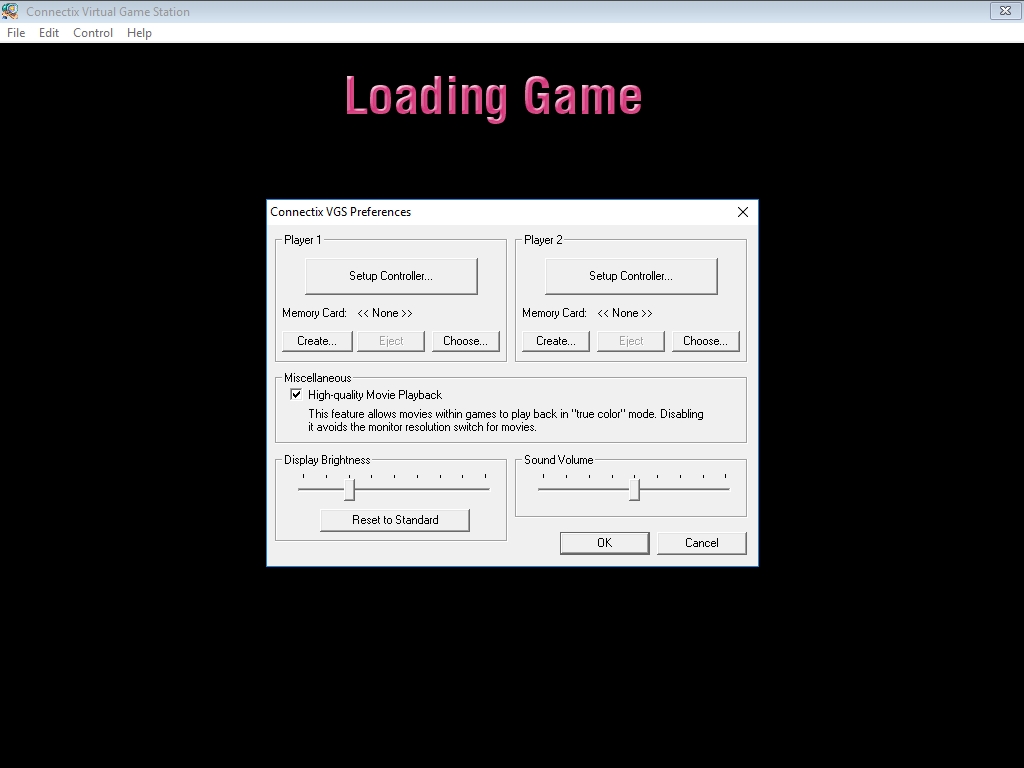
Behind the sales ban lay a problem for the engineers: console firmware is itself software, and reproducing the machine around it could require inspecting how it behaved. How much inspection was allowed, and what difference did it make if the finished emulator shipped without the original firmware? The later appellate opinion, issued in 2000, would answer important parts of those questions and make the case a landmark in the legal history of reverse engineering. During 1999, that outcome was still ahead. Programmers and small companies had to decide whether to keep working—and selling—while those legal boundaries were being fought over.
UltraHLE arrives, then vanishes
January’s second shock came from Nintendo 64 emulation. In 1997, Project UnReality had shown an ambitious path toward the machine, and 1998 builds could do more with demonstrations. Commercial games were still a different mountain. Then RealityMan and Epsilon released UltraHLE at the end of January 1999. Wired’s February 1 account caught the immediate atmosphere: users were rushing to find the new program, and the authors withdrew it from their own site only hours after release. The file had already escaped. Mirrors and private copies did not obey an author’s decision to pull a download.

RealityMan RealityMan co-created UltraHLE, the January 1999 Nintendo 64 emulator that made selected commercial games playable on a Windows PC and drew Nintendo’s attention within weeks.
Epsilon Epsilon was RealityMan’s partner on UltraHLE. Their 1999 release showed a startling route to playable Nintendo 64 games while exposing its authors to unprecedented attention.
The shortcut was in the name: UltraHLE used high-level emulation. Rather than reproduce every operation of the Nintendo 64’s hardware, it replaced selected functions that games called with routines running on the PC. That saved enough work to make a striking subset of the library playable while many other N64 projects were still reaching boot screens, technical demos, or menus. The bargain came with conditions: a capable PC, a particular graphics API, and a game that fit the emulator’s assumptions. A familiar game moving on a Windows desktop was exciting; another game might fail badly on the same machine.
Behind that download were two programmers using public handles, RealityMan and Epsilon. Both made technical choices and took the risk of releasing the work. Soon, both handles would appear in reports about Nintendo’s intended response.
The audience quickly gave the technical achievement a more troublesome companion. UltraHLE could be discussed as reverse engineering, visual computing, or a demonstration that a current console’s behavior could be translated to a PC. But Wired’s release-week report described newsgroups filling with requests for the emulator and copied commercial games. The authors did not control those requests, any more than they controlled every mirror. Nintendo, meanwhile, faced a program that might run games it was still selling.
Nintendo’s answer and the rumor mill
In February, Nintendo announced that it intended to pursue legal action against the UltraHLE developers. The Register reported the company’s confirmation, and Nintendo’s statements spread rapidly through contemporary online discussions. Less than a month had brought a release, runaway mirroring, searches for game files, and a legal threat from the console’s manufacturer. With Nintendo 64 hardware still on store shelves and Nintendo and its partners actively selling its games, the familiar appeal to keeping old games alive was an awkward fit.
Contemporary reports establish Nintendo’s announced legal action and the authors’ withdrawal of UltraHLE, not a final judgment against its creators. The threat alone could frighten developers and users. In the 1999 emulation scene, it was often discussed as though a complaint, an injunction, and a verdict had already followed.
Rumors reached Project UnReality’s Michael Tedder too. Some suggested that Nintendo had approached him or caused his project to end, but those claims remain unconfirmed in the preserved accounts. Other N64 programmers watched UltraHLE’s sudden fame and legal controversy while their own programs were still in progress. Some kept working, some changed direction, and some released source code; their separate paths cannot all be traced to UltraHLE.
High-level speed, low-level questions
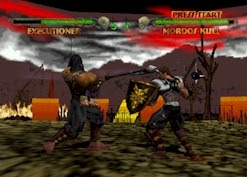
UltraHLE also gave an existing technical argument a very visible test. How closely did an emulator need to reproduce the console’s chips to give a game what it expected? High-level emulation could make limited PC power go much further, but assumptions built into the code could break on unfamiliar games, unusual graphics, or precise timing. A lower-level approach might take longer to reach a playable title while building a foundation that could handle more cases over time. Neither label promised a good emulator. Programmers still had to balance speed and accuracy while working out hardware they did not fully understand.
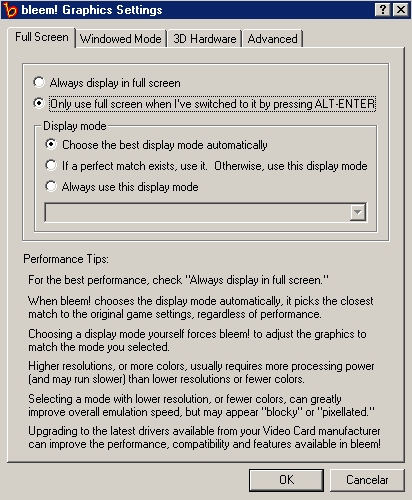
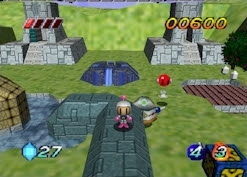
Players met those trade-offs most directly through the graphics card. The Nintendo 64’s image pipeline relied on specialized hardware, so translating CPU instructions and button presses was only part of the job. The first UltraHLE builds used 3dfx Glide, giving users with the right accelerator card an advantage and leaving others frustrated. Wrappers appeared to translate Glide calls for other PC graphics systems. Getting a game running could mean assembling an emulator, graphics driver, wrapper, controller mapping, and the particular game itself. Downloading the EXE was just the beginning.
A black screen could mean an unsupported game, the wrong wrapper, or a graphics card unable to do what UltraHLE expected. A circulating screenshot rarely explained the setup behind it. Even so, a successful capture conveyed the thrill: a game that had seemed welded to a living-room console was running on a PC desktop.
The PlayStation has another challenger
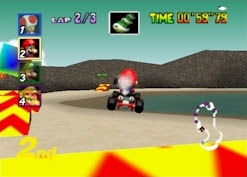
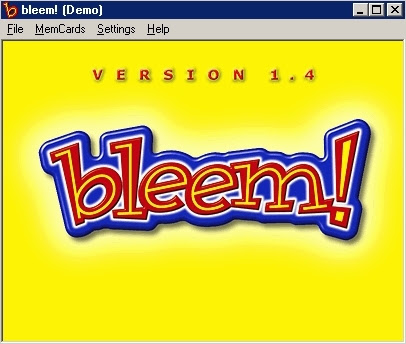
While Connectix sold its Mac emulator, bleem! was pursuing PC players with a commercial PlayStation emulator of its own. Its leaders included David Herpolsheimer, who explained and defended the business in public, and programmer Randy Linden, who handled the engineering that made the product possible. Like Virtual Game Station, bleem! offered to run games from a console that was still current. Sony now faced two commercial challengers to the idea that PlayStation games had to stay inside its hardware.
David Herpolsheimer David Herpolsheimer helped bring bleem!, a commercial PC PlayStation emulator, to market and defended it publicly during Sony’s 1999 legal challenge.
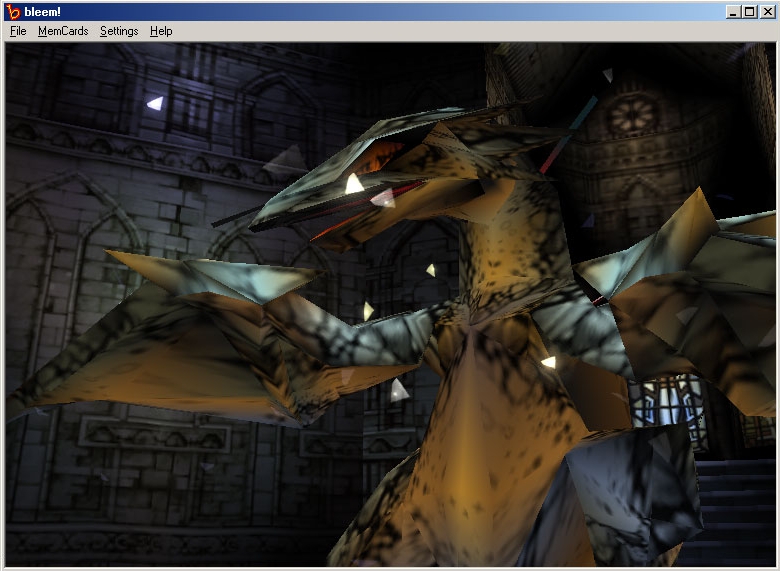
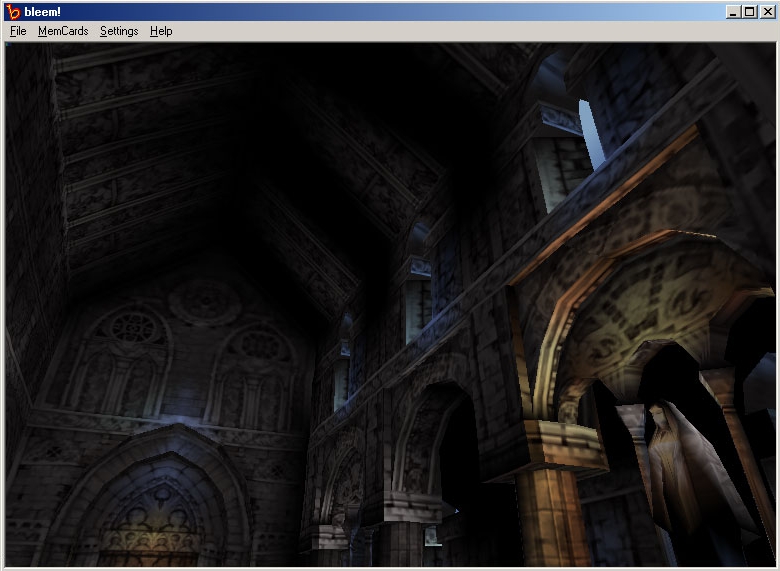
bleem! attracted attention by claiming that compatible PlayStation games could look sharper on a PC. It was an appealing pitch: keep the game you owned and get a cleaner picture. Players might also want more convenient controls or a screen that was easier to share. But compatibility limits and hardware requirements still stood between the pitch and an evening of play. One attractive demo could not vouch for a whole shelf of discs. The company had to make bleem! useful enough to buy while customers were still wondering whether Sony could stop it being sold.
Sony sued bleem! in April. Wired’s April report covered the case alongside Sony’s action against Connectix. A contemporary report of bleem!’s early courtroom win showed that Sony had not obtained everything it sought at the first hearing. Filing suit had not made the emulator disappear. The dispute continued over sales, development methods, and how bleem! could show buyers what its software did, with appeals and litigation over advertising screenshots extending beyond 1999.
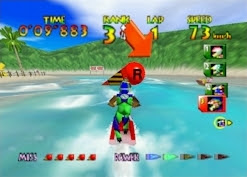
The Dreamcast project bleemcast!, which many players later remembered, was still ahead. The product facing Sony in April 1999 was the PC emulator, with its own features and limits.
The cases were still unfolding
The cases were still unresolved at the end of the year. Connectix’s sales remained disrupted by the district-court injunction; the Ninth Circuit opinion reversing important parts of that ruling would arrive in 2000.
For bleem!, even the picture used to sell the program became a legal problem. Its advertising screenshots showed prospective buyers how games could look through the emulator, but also depicted copyrighted games. Sony objected to some of those uses, and the dispute later reached an appellate court. The later appellate decision addressed that fight over the images as well as the software.
The other N64 programmers kept working
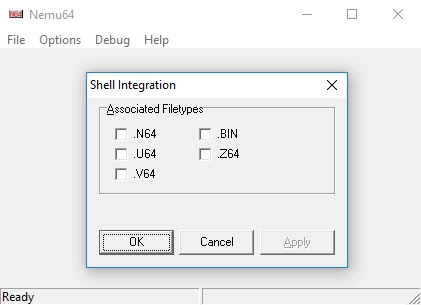
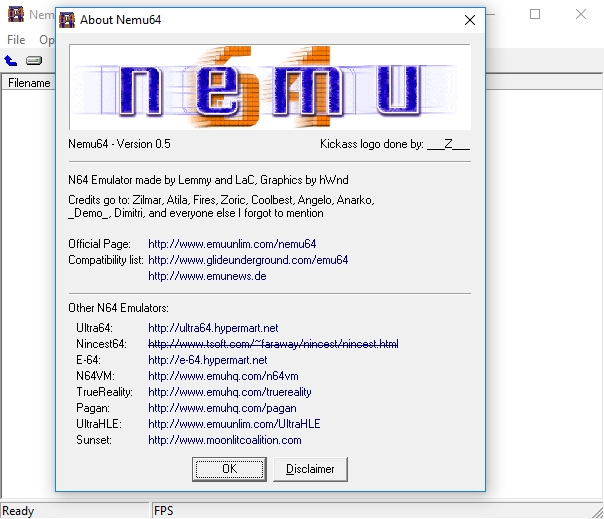
Meanwhile, the other Nintendo 64 programmers kept working. Nemu64 spent 1999 improving support for demos, adding sound, making early progress with commercial games, and building a plugin-oriented structure. UltraHLE’s sudden playable games had raised expectations, but Nemu64’s team still had graphics and core behavior to work through. Progress depended on the build being tested: reaching a game’s menu was encouraging, though it did not yet mean a player could settle in for a complete session. Later compatibility claims belong to their later builds.
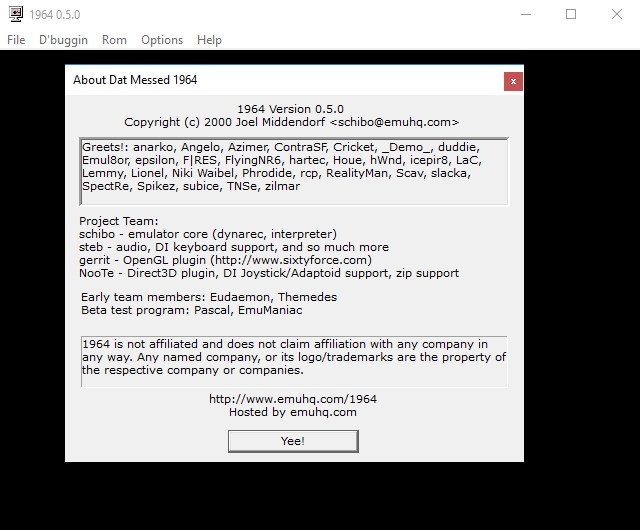
1964 also began appearing in 1999. Joel Middendorf, known as schibo, and his collaborators took small public steps in another attempt to emulate the N64. A plugin framework let contributors specialize in graphics, sound, or controller behavior—each a substantial problem on its own. The source archive records early 1964 releases that year, before the program acquired its later reputation. UltraHLE had delivered a spectacular January debut, but there was still plenty of work left, and more than one way to tackle it.
Joel Middendorf (schibo) Joel Middendorf, known as schibo, began the open-source Nintendo 64 emulator 1964 in 1999, choosing steady public development after UltraHLE’s sudden shock.
Project UnReality reportedly released its source code in June 1999, after the public program’s earlier peak. Other developers could now study the work inside it, though the release alone does not tell us why its author chose to share it. UltraHLE had given players selected commercial games they could run straight away; Project UnReality gave programmers another body of code to learn from.
Zilmar, later known for Project64, was already sharing knowledge about N64 hardware and plugins in 1999. Project64’s first public release was still in the future, but the exchanges that would help shape the scene were underway.
A year of real games and qualified claims
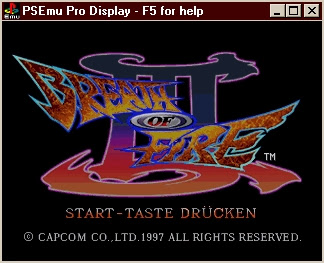
Compared with 1997, players had much more to try: selected N64 games in UltraHLE on suitable PCs, many PlayStation discs through Virtual Game Station on G3 Macs, and another PlayStation option in bleem! for Windows users. The contemporary Macworld review captured both the achievement and the compromises. These were playable games, not just promising boot screens.
Away from the lawsuits, arcade boards still needed decoding. Emulators for older consoles were gaining better sound, interfaces, and portability. Websites continued to shape which projects readers discovered and who received credit for the work. That work kept going after a frightening January, even when it attracted less attention than a dazzling new executable or a court case.
The free PlayStation field does not stand still
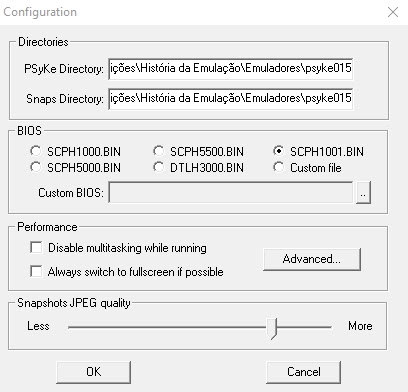
The commercial PlayStation products arrived in a field where independent programmers had already spent years learning the machine. Marcin Dudar’s PSEmu team used a plugin design that let separate contributors tackle graphics and sound, and Rasky’s PSyKe effort had joined forces with PSEmu in late 1998. By 1999, those collaborations faced problems no hardware manual could solve. A breakdown in trust could stop work as effectively as a difficult chip.
In June, Zophar’s contemporary news reported that PSEmu had ended after a beta leak. The archive also records disagreement over e-mails and another site’s interpretation of them. Participants were angry, and readers wanted a clean villain, but the account does not settle that argument. The team said a private beta had escaped, the project stopped, and players waiting for a free alternative were left disappointed. Keeping an unfinished, heavily anticipated emulator under wraps had become a problem of its own.
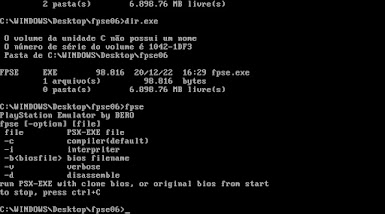
AdriPSX, FPse, Psyke, and their developers also appeared or kept working. Some free projects could boot PlayStation BIOS code or run demonstrations without taking a retail game from beginning to end. Those small steps could reveal a way to handle graphics, document hardware behavior, or give another programmer a debugging lead. For a player who had seen Virtual Game Station running commercial games, though, a successful boot was a less satisfying evening. Comparisons were unavoidable, despite differences in budgets, target hardware, and goals.
Pete Bernert’s graphics and sound plugins helped carry this work forward. With plugins, a player could pair an emulator’s core with different video and audio modules. That choice could affect how a game looked and whether it worked, so a useful compatibility report needed to name the modules as well as the emulator and version. Even the clarity of a screenshot might owe more to a plugin than to the core. This modular work in 1999 helped build the path later PlayStation emulators followed in the 2000s, while two commercial products drew most of the legal attention.
Two Connectix engineers and one risky method
Aaron Giles‘s own account calls Virtual Game Station a program he co-created after joining Connectix in 1998. Eric Traut wrote the dynamic CPU recompilation work that helped it run PlayStation software on a contemporary Mac. Recompilation is a practical answer to a hard problem: a computer cannot simply execute instructions intended for a different CPU, so the emulator translates work into instructions the host can run. Doing that quickly enough for a game is not an exercise in drawing a title screen. It requires understanding how the original machine changes state, how the game uses memory, and when translation itself may alter timing.
Eric Traut Eric Traut’s CPU recompilation work helped Connectix Virtual Game Station turn PlayStation instructions into a playable Macintosh experience in 1999.
To make Virtual Game Station work, the Connectix engineers had to learn how Sony’s machine behaved. That meant examining its BIOS, a process described in the Connectix appellate record that later became central to the legal arguments. In 1999, the team needed working code and a development history—notes included—that could show how they had built their own product. Connectix also needed enough money to defend that work without the lawsuit swallowing the company.
Giles later became widely known for his work on MAME. Both projects required him to understand unfamiliar hardware, but selling a PlayStation emulator put that work in a much more public arena. Traut’s contribution could disappear just as easily behind the Connectix logo. When a game ran smoothly on a G3 Mac, players were seeing the payoff from hundreds of engineering choices about instruction translation, memory, graphics, and error handling. The box carried one company name; the software inside was a collaboration.
What did a player actually own?
Owning a PlayStation disc did not come with a promise that Sony would help you run it on a Mac or PC. An emulator could offer that possibility without supplying the game. Some users wanted to play discs they had already bought; others were drawn to downloaded game images. Both could turn up in the same forum thread. A publisher pointing to piracy and an emulator supporter holding up a paid-for disc could each describe a real user, but neither described them all.
An N64 cartridge presented a more immediate obstacle: an ordinary PC had nowhere to put it. Playing its game through a Windows emulator usually required a copied game image. The emulator and the image were separate things, though that separation was harder to see when a copy was needed to play. UltraHLE’s breakthrough arrived with a distribution question that Virtual Game Station’s demonstration with PlayStation discs partly avoided. The two January surprises challenged active console companies, but they gave the public different things to argue about.
Sites had to decide where they stood, too. One page might offer an emulator and documentation while insisting it supplied no games. Another would host both and call it convenient. A news editor could link to the author’s official download but refuse to keep a mirror. Those choices changed what a site actually distributed and how much control the programmer kept over the release. The legal disputes pushed an informal hobby into stating its boundaries in public.
The cost of a famous screenshot
Screenshots reached people who could not run the software. Without a G3 Mac, you could still see a PlayStation game in a Macworld report. Without a 3dfx card, you could look at an UltraHLE capture and imagine playing it on your next PC. The frame rarely showed the crashes, the games that would not boot, or the careful setup needed to get that far. An author could be proud of a screenshot and still warn that the emulator was incomplete. A news site might publish only the exciting half.
A later interface could show how an emulator developed, but not what its launch build could do. Promotional images showed the sales pitch rather than an independent compatibility test. Neither told the whole story of getting a game to run.
The launch that a download counter could not explain
Download counts, games booted, frames per second: by those measures, the three projects could look like competitors in the same race. Behind the numbers, they had very different lives. Connectix had engineers, a booth, paying customers, and a product to defend in court. bleem! was a much smaller company trying to sell a similar product for the PC. RealityMan and Epsilon released a free program under handles, and the internet copied it faster than they could change their minds. An audience that offered one team a business opportunity could leave another facing a frightening loss of control.
The PlayStation and Nintendo 64 were still selling, surrounded by new games and advertising. Emulator authors could not control every use of their work, but those uses helped shape how manufacturers, reporters, and judges saw it.
Connectix did not yet know how its appeal would turn out. UltraHLE’s authors had withdrawn their program, but mirrors kept it available. bleem!’s team could celebrate a favorable early hearing without knowing what further litigation would cost. Their games were running; their futures were unsettled. The next chapter follows the other programmers who kept improving emulators while these famous fights drew the headlines.
A 1999 game in the GameBase

Super Smash Bros. arrived for the Nintendo 64 in 1999, part of the current commercial library that made N64 emulation so contentious. Its GameBase image does not establish that UltraHLE—or any other 1999 build—played it accurately. Compatibility depended on the emulator, the game revision, and the PC setup.
People in this chapter
- RealityMan — UltraHLE co-creator whose 1999 release brought selected N64 games to Windows PCs and immediately drew Nintendo’s attention.
- Epsilon — UltraHLE co-creator, essential to the technical leap behind the year’s loudest N64 launch.
- Aaron Giles — Connectix engineer associated with Virtual Game Station and later a major MAME contributor.
- David Herpolsheimer — bleem! leader who brought a commercial PlayStation emulator into direct conflict with Sony.
- Randy Linden — bleem! programmer whose engineering made the PC product possible.
- Joel Middendorf (schibo) — 1964 author who entered the growing N64 developer field in 1999.
Sources and further reading
- Macworld at January 1999 Expo and Macworld’s April Virtual Game Station review.
- Washington Post on Sony’s Connectix suit and Wired on the injunction.
- Wired’s release-week UltraHLE report and The Register on Nintendo’s announced response.
- Wired on the PlayStation court fights and The Register on bleem!’s early hearing.
- Sony v. Connectix appellate opinion, for the subsequent 2000 ruling distinguished above.
Part of: The Complete History of Video Game Emulation
Browse biographies: People in the History of Video Game Emulation