 Retro Replay Retro Gaming History, Reviews & Emulation

Epsilon was RealityMan’s partner on UltraHLE. Their 1999 release showed a startling route to playable Nintendo 64 games while exposing its authors to unprecedented attention.
Handle: Epsilon
Known for: Co-creating UltraHLE
Release: January 1999 Windows N64 emulator
Technique: High-level emulation for selected console functions
Historical caution: The public handle is documented; private biographical details are not
The second name on the release
UltraHLE is often reduced to one program name and a breathless claim that it ran Nintendo 64 games. Epsilon deserves a separate page because the contemporary reports named two creators. The work was a collaboration. Reverse engineering a current console, translating its behavior to a PC, and making a playable release were too substantial to disappear under a single mysterious handle. Epsilon’s exact division of labor with RealityMan is not established by the sources used here, so this biography does not invent one.
The authors’ choice to use handles was normal in the emulation scene. It allowed a recognizable public identity without turning the author’s personal life into part of every download. Once Wired reported the release and its sudden withdrawal, the handles became international news. The unusual part was not anonymity; it was the speed with which a small software project attracted a mass audience.
A shortcut that demanded skill
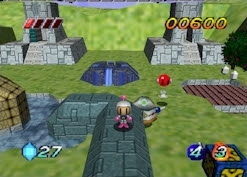
High-level emulation can sound like a trick that avoids the hard work. In practice, it requires knowing which functions a game expects from the console and how the host computer can produce comparable results. A mistaken substitution can break graphics, timing, or logic. UltraHLE’s fast performance on certain games came from choices made under severe hardware limits, not from magic. The cost was incomplete coverage. A user whose game worked could feel that the future had arrived; another user could see a blank screen. Both experiences were honest observations of the same emulator.
The program’s early reliance on Glide graphics hardware narrowed its immediate audience. People sought wrappers and configuration advice to widen access. That community response made UltraHLE more than a single executable, but it also complicated claims about what “the emulator” alone could do. Epsilon and RealityMan had created a technical center around which other tools and expectations gathered.
Public risk
Nintendo’s February 1999 legal-action announcement named the creators’ handles. The console was current, commercial games were still being sold, and copies of those games were being requested online. The authors could withdraw the official file, but the internet could keep moving it. Epsilon‘s work thus became part of an argument about reverse engineering and distribution that went well beyond the code.
This page keeps its claims within the visible record. It recognizes Epsilon as a co-creator, describes the program’s public effect, and distinguishes a company threat from a court result. No verified portrait or full personal identity has been located for the project. The question-mark image is an honest marker of that gap.
Epsilon in the History of Video Game Emulation
1999 Part I: When Emulators Met the Lawyers
Epsilon was RealityMan’s partner on UltraHLE. Their 1999 release showed a startling route to playable Nintendo 64 games while exposing its authors to unprecedented attention.