 Retro Replay Retro Gaming History, Reviews & Emulation
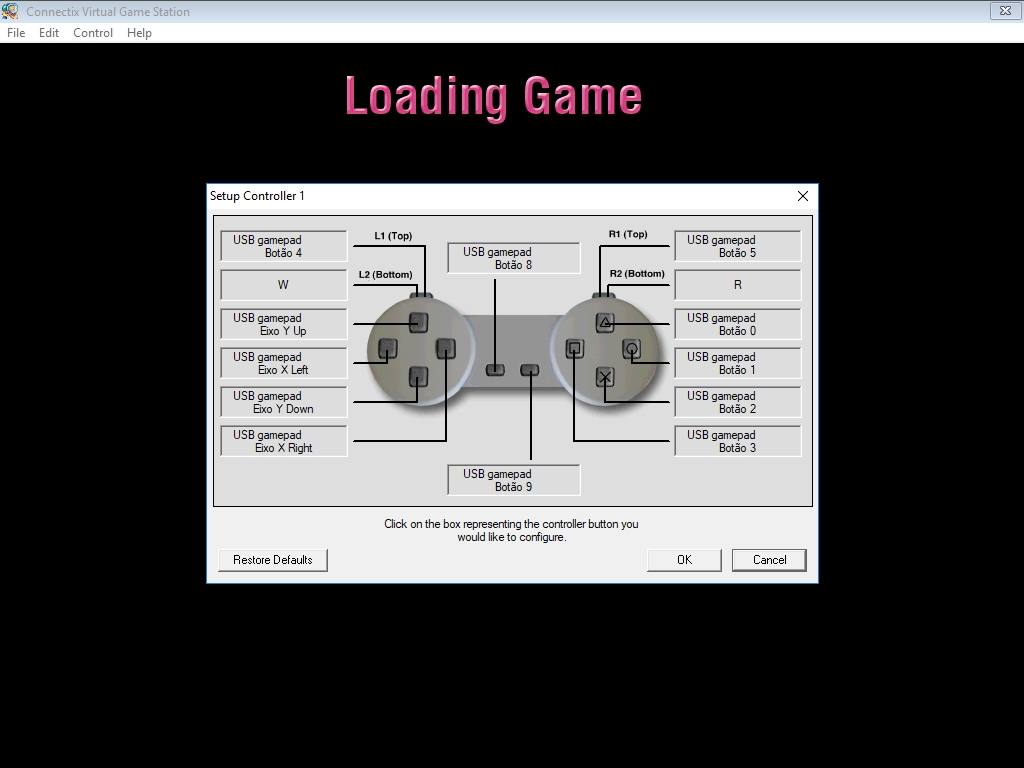
At the start of 2000, a court order was keeping Virtual Game Station off sale. The program let people play original PlayStation discs on a Mac, without buying Sony’s console. Connectix had made it work; now it had to defend the work in court. Fans waited for an answer while swapping graphics plugins and asking the more immediate question: would their favorite disc boot?
February: Connectix gets its answer
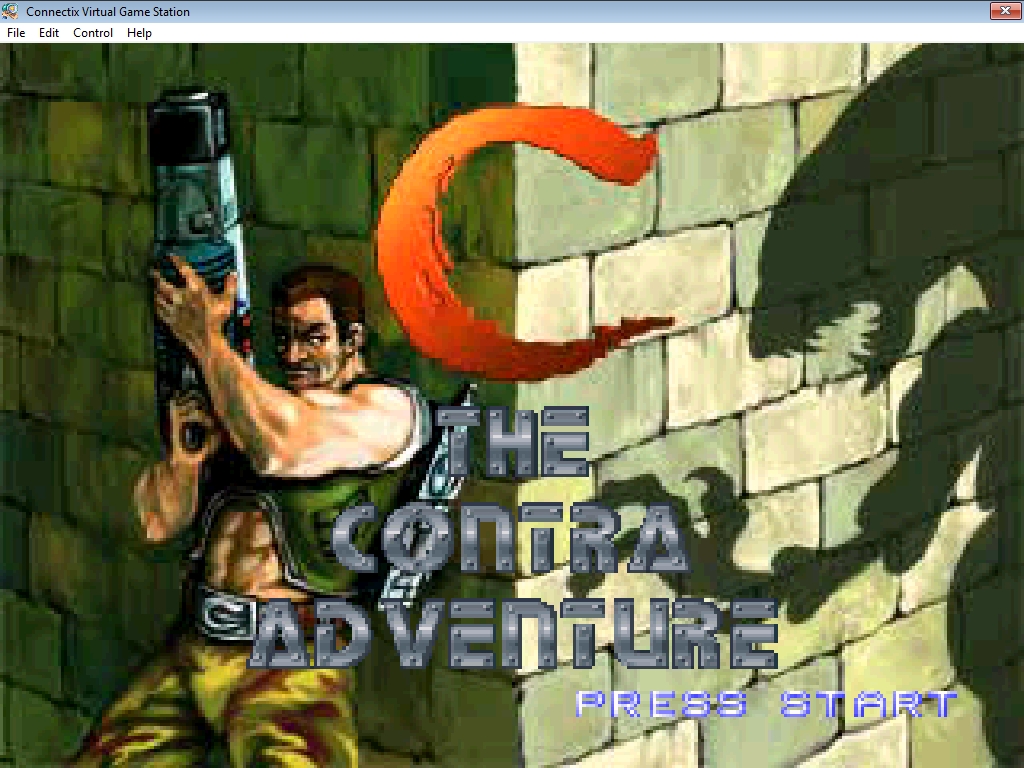
Virtual Game Station had made its debut at Macworld in January 1999. Connectix demonstrated PlayStation games running on a Mac and sold the emulator to ordinary customers. Sony sued, and a district court halted sales with a preliminary injunction. In February 2000, the Ninth Circuit reversed that injunction, clearing a barrier that had kept the program off the market.
The opinion, filed February 10, followed the code from Connectix’s research to the program it sold. The PlayStation BIOS was copyrighted, and Connectix had made intermediate copies while studying it. The judges concluded that the copying needed to reach the BIOS’s functional elements was fair use in this case. Selling Virtual Game Station commercially counted in that analysis, but did not automatically defeat the defense. Crucially, the finished emulator contained none of Sony’s copyrighted object code. Connectix had written a new program that let PlayStation games run in another environment.
Getting there meant learning how the PlayStation behaved. A manual could not necessarily tell an emulator author everything a game expected the machine to do; observation and testing filled the gaps. Reverse engineering could sound suspicious to the public, but for programmers it was a route to compatibility. The judges distinguished the BIOS’s protected expression from the functional behavior Connectix needed to understand. Sony still owned its games and firmware. Under the circumstances examined by the court, Connectix could study the machine and write its own substitute.
That substitute posed a business problem for Sony. A Mac owner could buy Virtual Game Station, buy or use a PlayStation disc, and never buy a PlayStation. Sony argued that this threatened the platform it had built. Connectix argued that it gave customers another place to play licensed software. The court acknowledged the possible effect on Sony’s hardware sales, but did not treat copyright as an automatic right to control every device on which those games could run. Developers following the case could see a commercial emulator for a current console mount a successful defense against the sales injunction.
The research itself had taken several forms. Connectix observed the BIOS running on a PlayStation and also ran copied BIOS material in its own test environment. Sony wanted those intermediate acts to decide the case, even though its code was absent from the finished emulator. The judges instead considered why the copies had been made and what Connectix ultimately produced. Commercial reverse engineering did not, by itself, lose fair-use protection: temporary research copies used to discover functionality were not necessarily equivalent to copies sold to customers.
One allegation concerned a BIOS that Connectix was said to have downloaded from the internet. The court found that the evidence before it did not justify maintaining the broad sales injunction on that basis; it did not endorse BIOS download sites. That boundary was easy to blur on a web where legitimate research sat alongside sites distributing commercial games. Critics could lump the whole scene together, while enthusiastic fans could read far more permission into the ruling than it gave.
For an emulator team, the record showed the value of being able to demonstrate that its shipping program used its own code and that studying the console was necessary to learn uncopyrightable behavior. Paying to make that argument in federal court was another challenge altogether. Some of the developers applauding Connectix from the web could risk a month’s hosting fee—or a job—trying to defend a threatened project. A sound argument did not pay the legal bills.
The appeal lifted a preliminary injunction; the case still had to return for further proceedings. Connectix could resume its work, but the ruling gave no permission to distribute Sony’s BIOS, download PlayStation games from websites, or copy firmware by any method a developer chose.
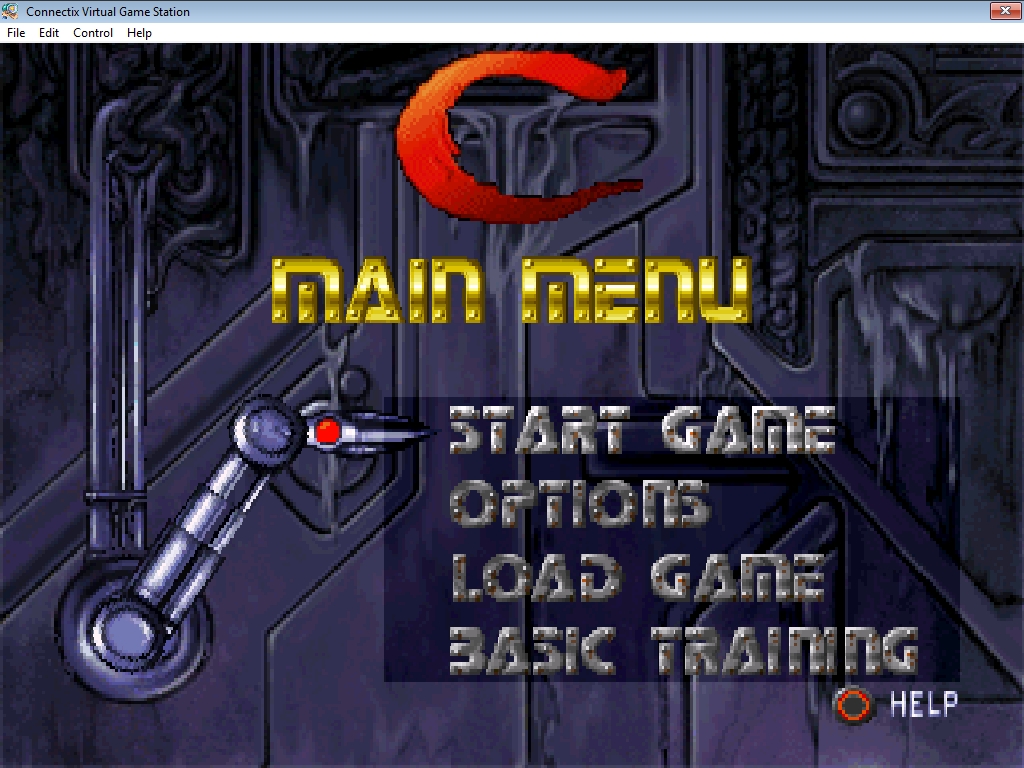
For Eric Traut and the Connectix team, Virtual Game Station no longer had to sit behind that injunction.
Virtual Game Station crosses to Windows
Connectix brought Virtual Game Station back in 2000 and released a Windows version. The 1999 Mac release had already shown that a commercial program could play PlayStation games on another platform. Now VGS reached a much larger pool of PCs. Buying it still required some homework: which operating system and release did you need, what display hardware did you have, and would your disc work? Contemporary Zophar coverage and period reviews help recover those choices, which later archives blur when they label every VGS download “the final version.”
VGS offered a fairly direct pleasure: put a PlayStation disc in your computer and play. For a Mac owner, that could mean access to a game that had never received a Mac port. For a Windows owner, it could mean the convenience of playing on another device. Visual enhancement—the attraction that would later draw players to some Windows emulators—was not its main promise. Connectix had designed an approachable experience, with fewer settings to adjust and fewer parts to swap.
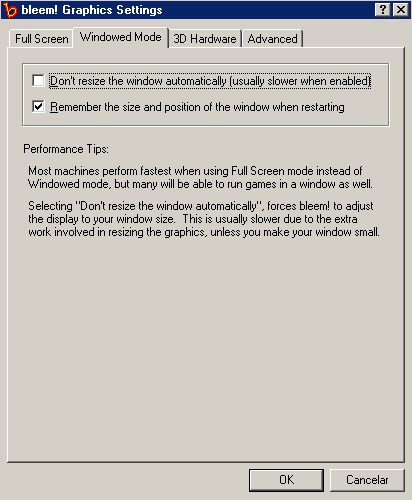
When a game worked, VGS could feel effortless. When it failed, the simple interface left the player staring at a complicated problem. PlayStation timing and unusual graphics-processor behavior were little consolation to someone whose favorite game would not run. Compatibility kept shifting, and charging for the program raised expectations beyond those attached to a free beta. Buyers could reasonably want documentation, support, and an answer about whether the next build would fix their game. Connectix had to meet those expectations after litigation had already interrupted its release schedule.
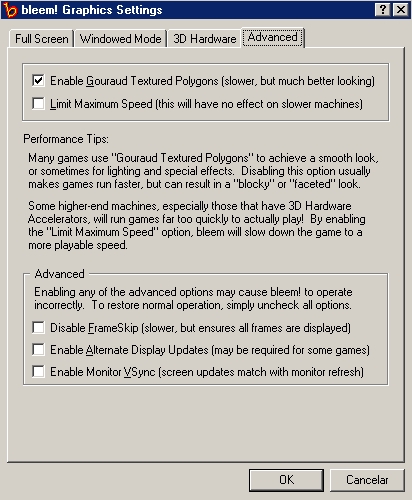
On the Mac, VGS helped fill a shortage of native game releases. On Windows, it faced bleem!, FPse, and soon PCSX and ePSXe. Players had more to weigh than whether a disc would boot. They wanted to know which emulator ran faster on a modest processor, supported their controller, or let them carry a memory-card save between setups. A sharper picture on a PC monitor was appealing, provided it did not break the game’s effects. Those everyday demands pulled developers in different directions: some players wanted a console-like appliance, while others were happy with a workbench full of knobs.
That workbench was taking shape in projects that asked users to choose separate video, audio, and CD-ROM plugins. Alongside Connectix’s coherent, purchased program for playing original discs, these emulators exposed components that users could replace. The arrangement also divided the development work. One author could improve graphics while another fixed sound, without either having to write an entire PlayStation emulator.
bleem!’s second courtroom battle
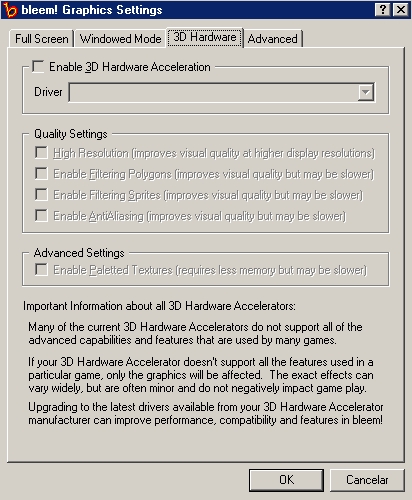
For David Herpolsheimer and Randy Linden, already central to bleem!’s story, showing players what their commercial Windows emulator could do had become a courtroom problem of its own. One 2000 appeal concerned bleem!’s advertisements, which placed screenshots of a PlayStation game running on Sony’s console beside images of it running through bleem! on a PC. Sony held copyrights in the games shown; bleem! argued that using the images for comparison was fair use. This dispute turned on the advertising pictures rather than the engineering questions in the Connectix case.
The Ninth Circuit’s bleem! opinion, filed in May and amended in July, treated truthful comparative advertising as useful information for buyers. It vacated a preliminary injunction against using genuine game screenshots in that comparison. The court drew a line at manufacturing a supposed console capture by degrading a PC image: its fair-use reasoning covered actual captures of Sony games displayed on a television, not a doctored stand-in. Buyers needed to see what the two machines really displayed.
Showing customers what bleem! could do had become a legal expense of its own. A screenshot was an obvious way to advertise a graphics emulator, yet these frames from games—not a copied executable—had taken the company to an appellate court.
The ruling addressed the screenshot injunction and sent the matter back to the lower court; it did not settle every dispute between bleem! and Sony. Within that comparison, though, competing with Sony’s console did not automatically make the use of screenshots unlawful. The judges also noted an awkward possibility for Sony: it could lose console sales while benefiting from more people buying PlayStation games. The company sold both the machine and the games, and emulation could pull those two parts of its business in different directions.
Winning the appeal still cost bleem! time and money. A small company was fighting one with enormous resources and an active console business, using effort that could otherwise have gone into code, testing, packaging, or answering customers. Yet its Windows emulator remained in public view, offering a way to play PlayStation discs without Sony’s hardware.
The memorable bleemcast! story would come later, primarily in 2001. In 2000, bleem! was still pressing ahead with its Windows emulator—and defending even the pictures it used to sell it.
A different PlayStation crowd gathers
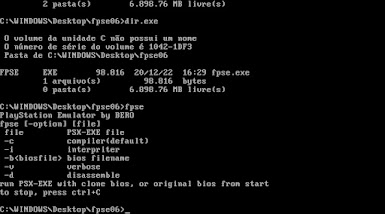
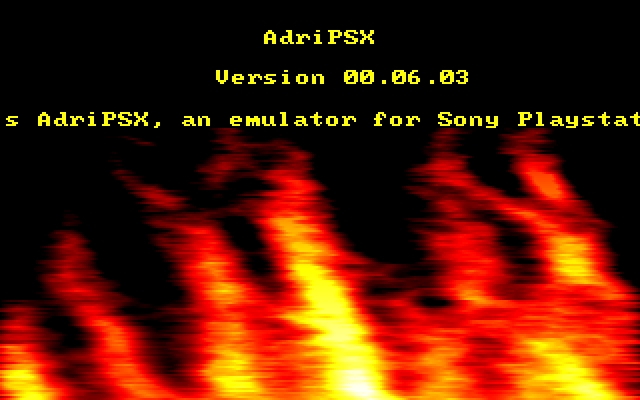
Away from the commercial court battles, FPse, AdriPSX, Sope, Jackal, and other PlayStation projects were trying different technical approaches across platforms. Progress arrived in pieces. An emulator might boot a demo, then fail when asked to run a game. Another might play some titles with missing audio or require a particular plugin. New version notices offered reasons to try again, but nobody could assume they had a complete replacement for the console.
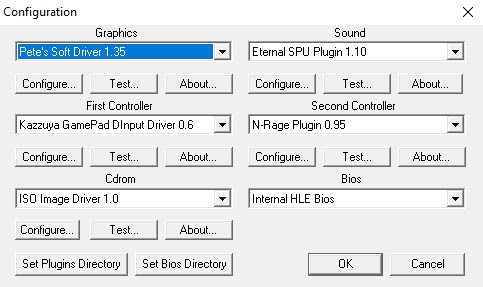
PSEmu Pro had already shown the appeal of splitting the work into plugins. The emulator’s core handled the CPU and broader hardware logic, while separate components handled video, sound, controllers, and disc access through swappable interfaces. A graphics specialist could build a renderer for a card with OpenGL support; another could write a software renderer that worked on more PCs. Players could mix those pieces to find a combination that ran their game cleanly. They could also find a combination that produced a black screen. Compatibility became a community effort, with the support headaches to match.
When a game sent drawing commands to the PlayStation, a video plugin had to translate them into a picture the PC could display. A fast 3D card could help render the scene at a higher resolution, yet an effect might still go wrong if the plugin had not translated it correctly. A software plugin could be slower but more predictable on a basic machine. A handsome menu was only the first test: a later battle might dissolve into missing polygons. Getting a game to look good in one frame was easier than getting it to keep looking right while someone played.
Audio and disc access brought their own surprises. Imperfect sound could seem tolerable until a game depended on music timing, streamed speech, or a cue that told the player what had happened. One CD drive might read the physical disc successfully while another struggled; an image file could work when the disc did not, or the other way around. Plugins gave specialists a way to tackle these problems without waiting for the core team to master every part of the hardware. The people making those components could shape a player’s experience as much as the developers whose names appeared on the emulator’s splash screen.
A PC owner trying to get a PlayStation game looking right might turn to Pete Bernert, one of the period’s important plugin authors. His graphics plugins offered both software rendering and hardware-assisted approaches. When a plugin worked reliably across several emulators, its author helped several core teams at once. PlayStation emulation was becoming a small ecosystem, with room for cooperation, competition, and the occasional spectacular falling-out.
PCSX enters, and the website feud erupts
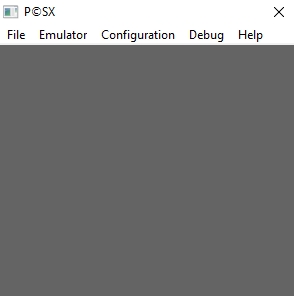
According to PCSX.fr’s retrospective, PCSX made its first release on August 31, 2000 as a free, GPL-licensed PlayStation emulator. A September 7 Zophar notice reported version 0.5.240: the team said it could run around a hundred demos and about six commercial games, with examples named in the notice. Those were the team’s figures, rather than independently tested compatibility results, and Zophar’s writers had not yet tested its PSEmu plugin support. The public beta had a modest reach, but its code was available for other people to inspect and extend.
Connectix sold a retail box; PCSX offered a program that outside contributors could study, port, fix, or build on under the GPL’s terms. That license did not promise polish, and a player expecting every PlayStation disc to boot would have been disappointed by the early beta. It did give developers a shared base that could continue even if a single company stopped selling an emulator.
Only days later, PCSX nearly stopped altogether. On September 16, Zophar’s Domain preserved a post from Mr. Fog, whom it identified as FPse’s website designer. He named Jackal, Sope, PCSX, and ePSXe while boasting that other teams copied FPse. The archive reported that a PCSX author briefly cancelled the project. It did not establish that any of those teams had copied FPse’s code, and a post by its site designer did not speak for everyone working on FPse.
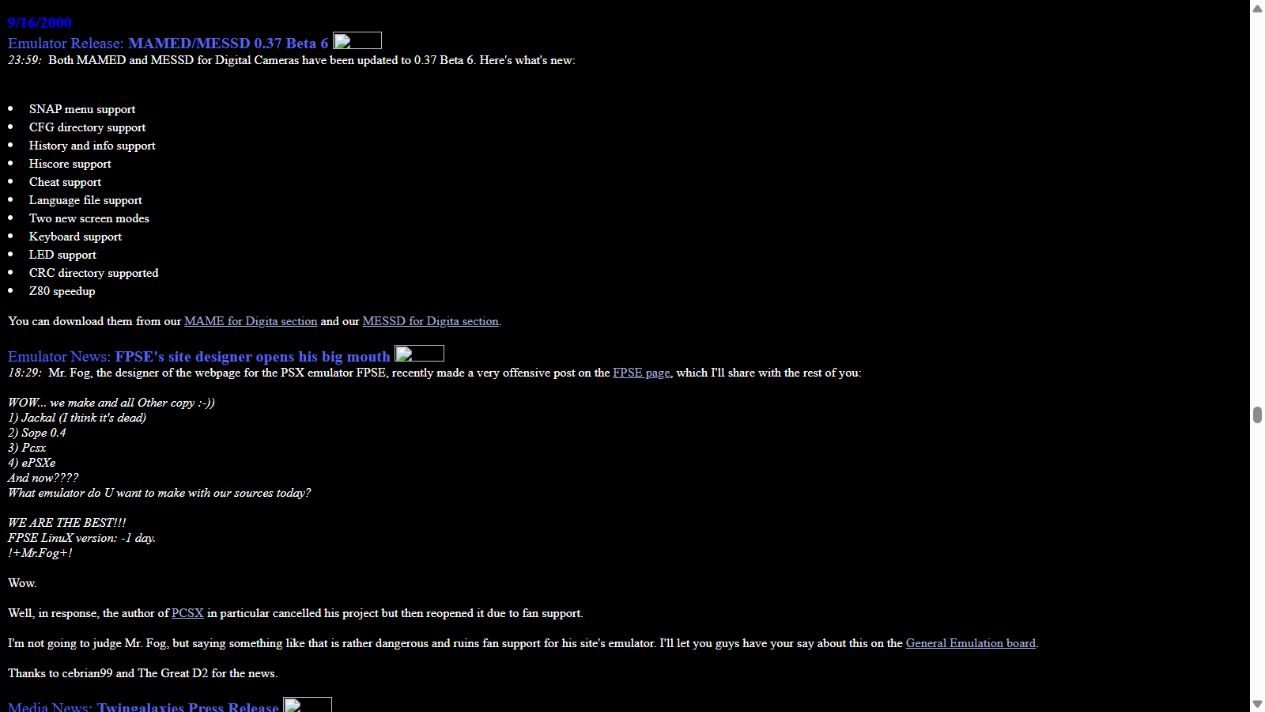
The headline and report of PCSX’s cancellation are still visible in the original Zophar archive entry shown here.
For someone who only wanted to run a game, a website feud might have seemed a strange reason to lose an emulator. But many of these programmers were doing unpaid work in public, facing an audience eager for the next release. Credit and reputation were part of that working life. The archived exchange also records a happier turn: fan support helped persuade the PCSX author to reopen the project.
October: ePSXe changes the expectation
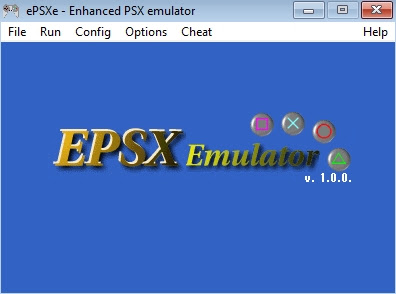
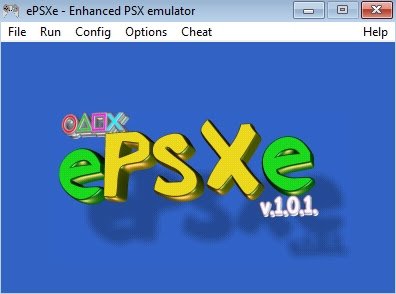
Then ePSXe arrived with another way to put those plugins to work. A contemporary October 2000 Zophar release notice announced version 1.0.0 for Windows. It listed CPU emulation, memory cards, disc-image support, a graphical interface, and support for PSEmu Pro video, sound, and CD-ROM plugins. Players had plenty to try, though the announcement still described parts of the hardware emulation as “buggy” or “partial.”
Behind ePSXe were three developers publicly known as calb, Galtor, and _Demo_. Their first release entered a crowded field, but its features and plugin support gave players new combinations to try. ePSXe’s own site preserves the project’s identity and later releases, which would build its lasting reputation.
The plugin model let ePSXe inherit knowledge as well as code. Someone who had spent weeks finding the right graphics plugin for a Voodoo card could bring that experience over. A developer who had written a sound module did not necessarily have to start again. Emulator teams could compete over their cores and interfaces while drawing on the same surrounding work.
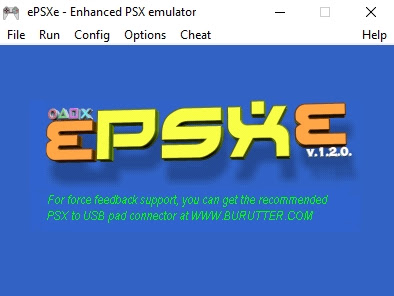
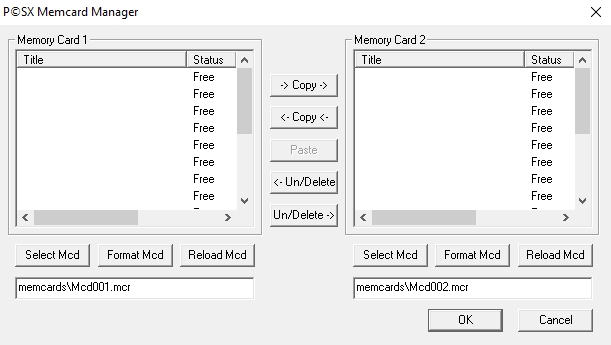
The launch features addressed the practical business of playing. Memory-card support let you save your progress and return later. CD-ROM and disc-image support offered more than one way to load a game, and a graphical interface made setup more approachable than a command line. But coprocessor and geometry handling remained incomplete. You could only save if the game got far enough, and a choice of plugins helped only if you could find one that worked and make sense of its settings. ePSXe had the makings of a capable emulator, with plenty still to fix.
PSEmu Pro’s plugins now had a new place to run, and users gathered around compatibility lists and configuration advice. A setting that fixed the graphics in a troublesome game could be posted for strangers to try. Those small discoveries accumulated into a body of knowledge that made the emulator easier to use. Downloads brought people in; advice helped them get a game running.
The name, “enhanced PSX emulator,” made a promise that had to be tested title by title, machine by machine. One user’s graphics hardware could make a renderer shine while another user’s computer, CD drive, or plugin left the game stuttering. BIOS questions and configuration screens stood between downloading the program and playing. Reports piled up: a disc booted, a screen froze, a different setting helped. With no guarantee that a game would work, getting another title playable felt earned.
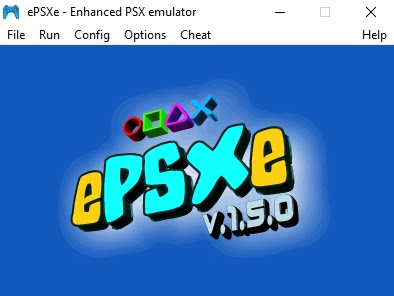
Soon, even getting to the download became a problem. A November archive notice reported that ePSXe’s site was temporarily down under the traffic. It could not tell readers how well their games would run, but it showed how many people wanted to try. In 2000, an emulator could be ready while the hosting and bandwidth needed to distribute it buckled under the crowd.
Hardware failures and the cost of being popular
Before the October launch, another failure had slowed the work. A September 26 notice linked to new screenshots made with Pete Bernert’s DirectX graphics plugin and reported that calb’s computer had died, temporarily holding up development. Readers could admire the pictures while one of the programmers was stuck with a broken machine. The small team depended on particular people—and on their computers continuing to work.
Those screenshots also put Pete Bernert’s contribution in view. ePSXe might get the credit for a striking image, though the graphics plugin could be the part that made it possible. Pete’s work helped shape the conversations players had about which games looked right, which effects broke, and which settings to recommend to a friend over email.
Connectix, meanwhile, was still working to get Virtual Game Station into customers’ hands. A September 29 Zophar notice pointed readers to a Mac and PC demo and advertised memory cards, two-player support, and gamepad controls in the paid product. VGS offered a compact, familiar route to playing; ePSXe offered more room to adjust the pieces. Across the field, users weighed simplicity, speed, improved graphics, legal clarity, or access to code they could study. The same PlayStation disc might become a straightforward product test, a plugin puzzle, or evidence in a courtroom argument.
People, plugins, and the limits of a breakthrough
Even after choosing an emulator, a player could still be relying on work from several teams. Plugins by Pete Bernert and others crossed project boundaries, letting improvements reach users of more than one emulator.
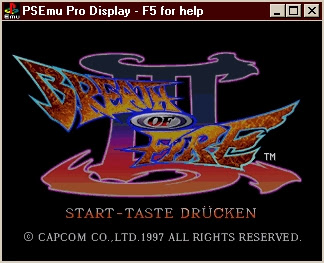
Getting a game to start was only the first hurdle. Precise timing, unusual disc access, controller behavior, and graphics effects could all trip up an emulator. Many preserved emulator images were captured after 2000; they illustrate the projects rather than establish what their first builds could do—or whether a game remained playable beyond the pictured moment.
The two appellate victories addressed different parts of the emulator business: Connectix challenged an injunction involving intermediate BIOS copying during development, while bleem! challenged one involving genuine screenshots in comparative advertising. Both won relief from those preliminary injunctions, not an end to their wider disputes with Sony.
By December, simply getting a PlayStation game running on a computer was no longer enough to impress everyone. In 1999, playing selected games on a Mac or PC had supplied the surprise. During 2000, players began asking which emulator handled their disc better, which plugin got the picture right, and when the next fix would arrive. They also had to wonder whether a team’s website would stay up or its developers would keep working together. Sony still owned the console, but the software growing around it came from an increasingly varied crowd.
A 2000 game in the GameBase
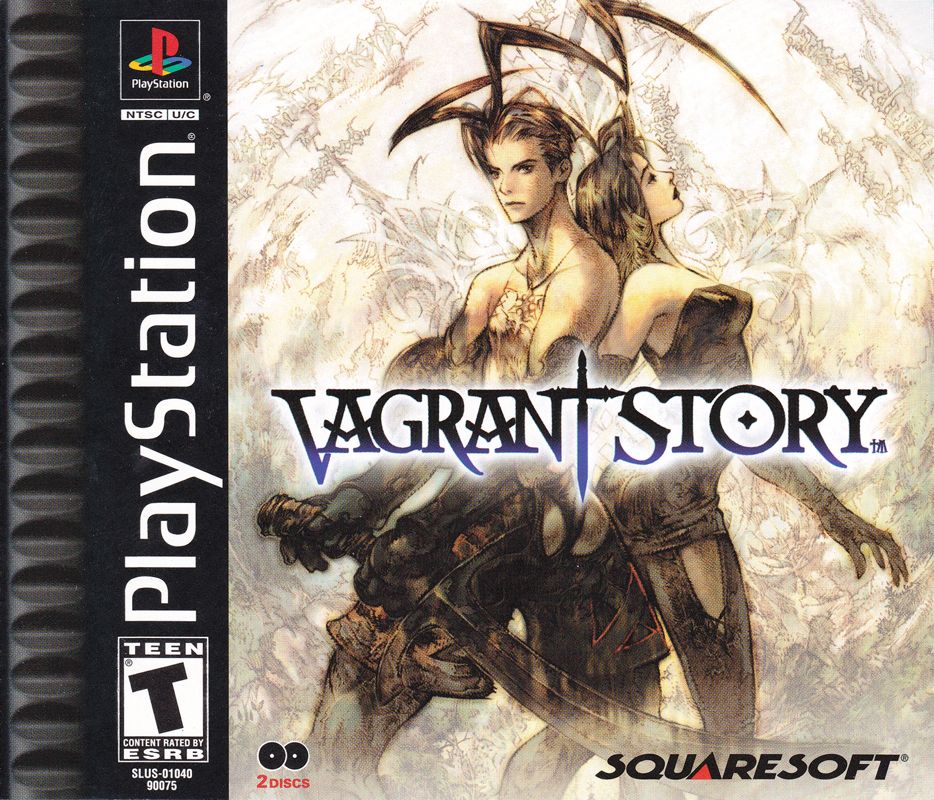
Meanwhile, new games kept arriving for the machine these programmers were trying to reproduce. Vagrant Story in the Retro Replay GameBase is listed as a 2000 PlayStation release. Its world of Leá Monde belonged to a console still hosting ambitious commercial games, with complex polygonal scenes, cinematic presentation, streamed audio, and controls designed for Sony hardware. Emulator authors were chasing an active platform, not just recovering games from a forgotten disk. The release-year connection does not establish that Vagrant Story worked in every PlayStation emulator available that year.
For a player, those games were more than compatibility tests. After evenings spent learning a game’s systems, you wanted your save to load and the controls to feel right. An emulator described as ninety percent compatible could still freeze during a boss fight. That gap fed the reports, plugin tips, and late-night fixes on scene websites. An attractive picture of Vagrant Story was a start. Sustaining the whole journey was the harder job.
People in this chapter
- Eric Traut — Connectix engineer whose Virtual Game Station work remained central to the 2000 appeal.
- David Herpolsheimer — bleem! leader in the continuing Sony dispute.
- Randy Linden — bleem! programmer whose emulator became a commercial challenger.
- Pete Bernert — plugin author whose graphics work helped make the PlayStation ecosystem modular.
- The PCSX team, including AkumaX — developers who released an open-source emulator in 2000.
- The ePSXe team, known publicly as calb, Galtor, and _Demo_ — creators of the October Windows release.
- Mr. Fog — FPse site designer whose September post set off a public quarrel; no broader project role is asserted here.
Sources and further reading
- Sony v. Connectix, Ninth Circuit opinion, February 10, 2000.
- Sony v. bleem!, Ninth Circuit opinion, filed May and amended July 2000.
- PCSX project history and first release date.
- Zophar’s September 2000 news archive: PCSX, FPse dispute, and other notices.
- Zophar’s October 2000 archive: ePSXe 1.0.0 release.
- Zophar’s November 2000 news archive.
- ePSXe official project site.
Part of: The Complete History of Video Game Emulation
Browse biographies: People in the History of Video Game Emulation