 Retro Replay Retro Gaming History, Reviews & Emulation
Retro Replay Review
Gameplay
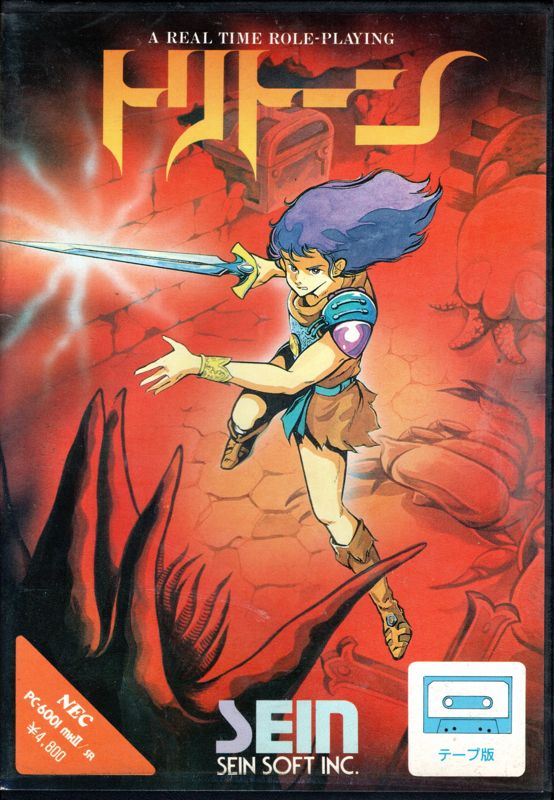
Tritorn starts with a welcome lack of ceremony. You are a lone warrior on an invaded island, moving through side-view areas, dealing with monsters directly, and trying to reach places that initially feel beyond you. Its controls make a meaningful distinction from some of its contemporaries: enemies are not defeated by merely colliding with them. You need to press the action button and commit to sword swings, which gives even this basic combat a little more intention.
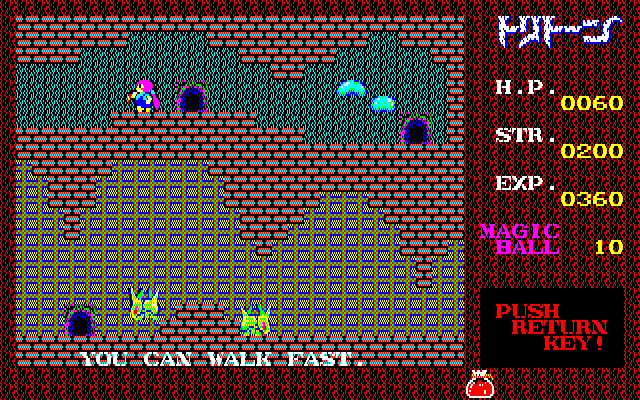
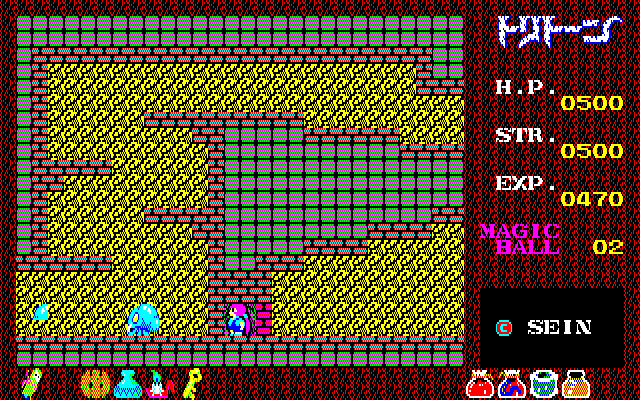
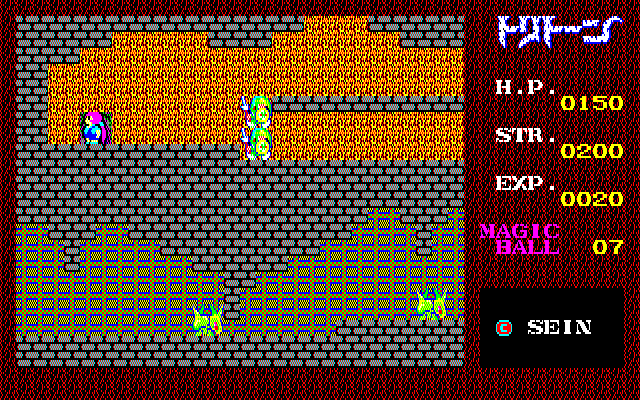
The exploration has a pleasingly awkward, adventurous shape. Jumping and vertical areas let the island feel less like a straight corridor, even though this is not a true platformer. Fixed or flip-screen progression means each new screen can become a small test of placement and enemy handling. That can be compelling when you are learning a route, but it also leaves little room for distraction: combat and forward momentum have to carry nearly everything.
Progression is the hook that helps the repetition go down. Defeated enemies award experience, and Tritorn gradually becomes stronger and tougher while gaining abilities such as faster movement. The lack of a clear level-up indicator makes growth less satisfying than it could be, since you may notice the result before understanding the milestone. Magic balls add a ranged option, but their limited supply encourages restraint rather than carefree use. You will either enjoy that pressure or resent having one more scarce resource in such a pared-back game.
Graphics
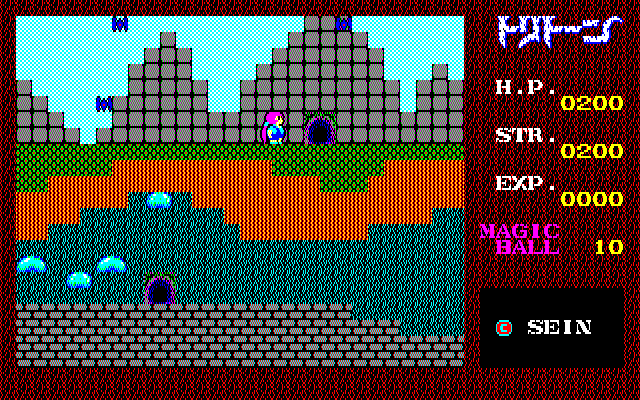
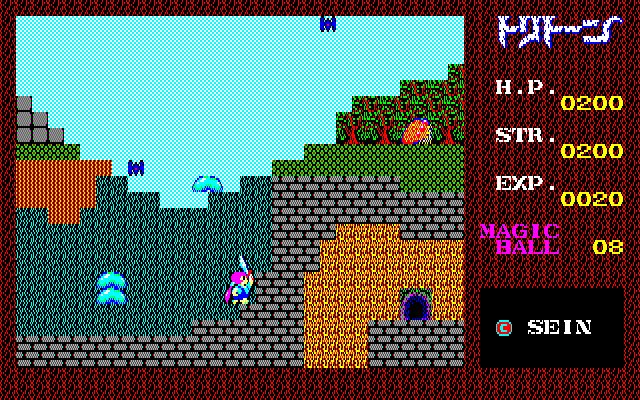
The side-view, flip-screen layout makes the island easy to parse one section at a time, while the vertical areas give the action more shape than a flat run of enemy encounters. This is a functional early action-RPG view: you can focus on where Tritorn stands, what is approaching, and whether a jump will take you onward.
Story
The story is classic fantasy shorthand: peace on the island of Rwanda is shattered when the demon lord Pay Valusa sends monsters to invade, and Tritorn is the warrior left to set things right. It gives the fighting a clean purpose without asking you to untangle a larger plot.
That directness suits the game. There are no friendly areas or town-life diversions to make Rwanda feel like a lived-in place, so the narrative largely functions as the reason you keep pressing into hostile territory. The conflict is simple, but it is at least focused: one hero, one island, one demon lord, and a clear restoration-of-peace goal.
Do not come to Tritorn for character drama or elaborate world-building. Come for an early genre template where the story stays out of the way and lets the journey from vulnerable fighter to stronger adventurer do the expressive work. For this kind of game, that is enough, even if it never becomes more than a sturdy frame around the action.
Overall Experience
Tritorn is most interesting when you meet it on its own old-school terms. It is an early action RPG with almost no cushioning: no equipment tinkering, no money loop, and no towns where you can pause the expedition. That austerity can feel refreshing after bloated modern RPGs, because every improvement matters and every screen asks for attention.
It can also be frustratingly narrow. The same stripped-back design that makes the game immediate means there are few alternate pleasures when fighting starts to wear thin. The gradual, partly hidden advancement system asks for patience, and limited magic makes mistakes or wasteful attacks feel more costly. You need to be comfortable with a game that expects persistence rather than offering many ways to customize your approach.
Still, Tritorn earns a recommendation for curious action-RPG fans, especially if you want to feel one branch of the genre before it accumulated inventories, merchants, and sprawling systems. Its payoff is not a flood of content; it is the satisfaction of mastering a lean, demanding journey and feeling the hero steadily become more capable. That is a modest reward, but a real one.


Reviews
There are no reviews yet.