Skip to content

Blog Archives

Chris Roberts Interview: Wing Commander, Origin, and the Dream of Cinematic Games

Retro Replay interview with Chris Roberts, featuring his portrait and Wing Commander II, Strike Commander, and Privateer screenshots

You could survive a mission in Wing Commander and come back to a war that was going badly. The briefing room, the conversations aboard the Tiger’s Claw, and the next scramble into space belonged to the same struggle. Chris Roberts wanted the shooting to have consequences, with pilots who felt like people you had fought beside. That interest in making pictures move began well before Origin. Roberts recalls teaching himself to program… Read: Chris Roberts Interview: Wing Commander, Origin, and the Dream of Cinematic Games
The History of Wing Commander: Making the PC Feel Like a Movie

The History of Wing Commander cover with red and yellow lettering and authentic game-image panels

The briefing is over. You have your route, your wingman, and a fairly optimistic estimate of how straightforward this patrol ought to be. Then the launch sequence drops you into space, the music changes, and a Kilrathi fighter starts making a very persuasive case for going home. Wing Commander made the return trip feel alive. You came back to a carrier with familiar faces, someone keeping track of your performance, and a… Read: The History of Wing Commander: Making the PC Feel Like a Movie

The Complete History of Exile

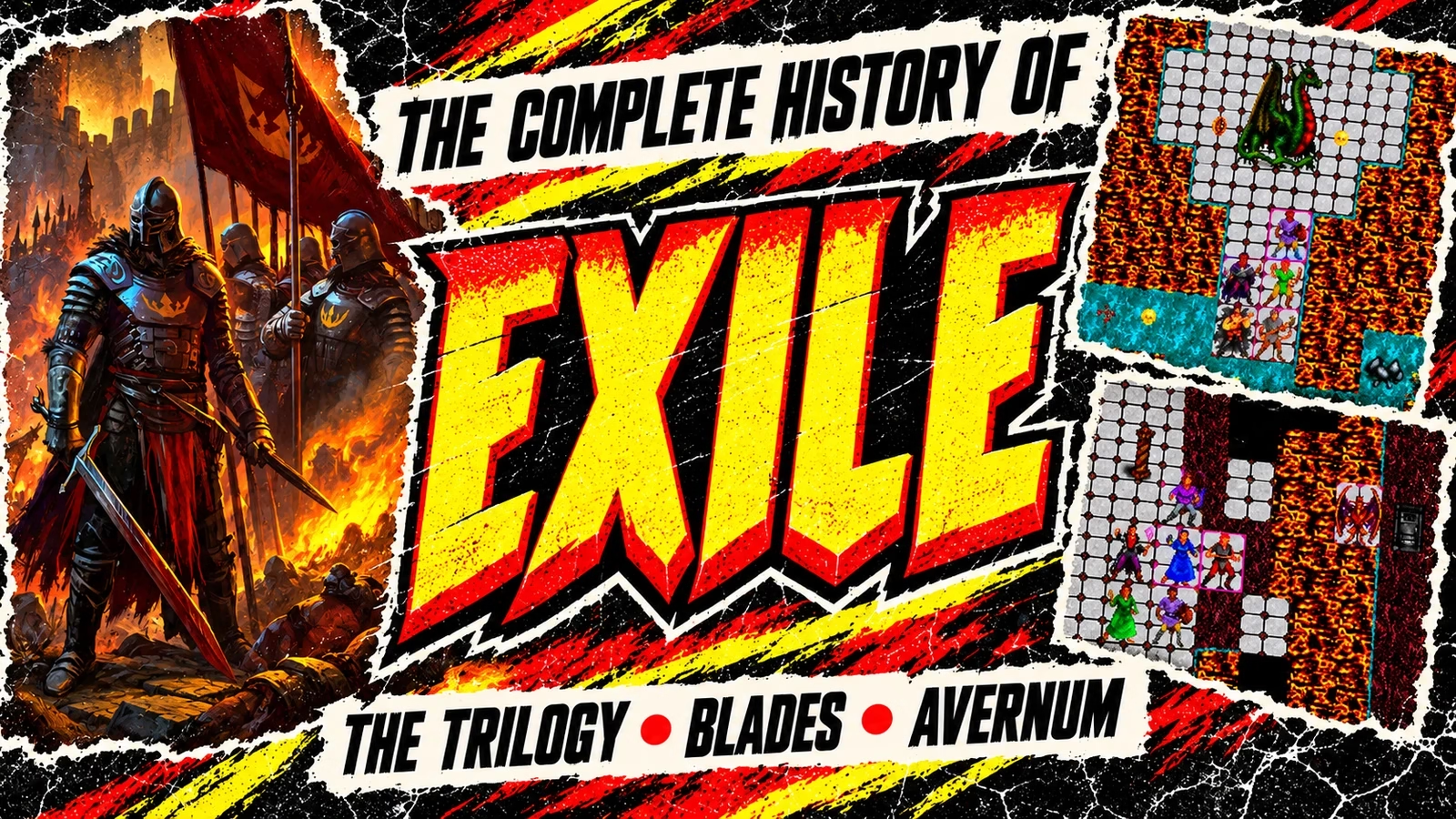
The Complete History of Exile cover with original Exile screenshots Avernum artwork and distressed red yellow black and cream lettering

The Empire has decided you are somebody else’s problem. A one-way trip through a magical portal deposits your party underground, where the food is largely fungal and the neighbors include things that would quite like to eat you. There is no welcoming speech about being the chosen one. Finding a safe place to sleep would be a perfectly respectable first achievement. Exile could make a few square tiles feel like a very… Read: The Complete History of Exile

Roberta Williams Interview: From Mystery House to a Life of Adventure

Smiling Roberta Williams with Mystery House, King’s Quest and Phantasmagoria panels in a red, yellow, black and cream Retro Replay cover

Interview by David Becker, Retro Replay. Roberta Williams couldn't leave Colossal Cave alone. A puzzle would follow her to bed, and she couldn't rest until she'd worked it out. She had loved stories since childhood, but here was one she could move through, question, and get hopelessly stuck inside. After finishing it, she bought large sheets of white poster paper and began working out a mystery of her own. That became Mystery… Read: Roberta Williams Interview: From Mystery House to a Life of Adventure

The Complete History of Phantasmagoria

The Complete History of Phantasmagoria cover with Adrienne and the mansion in a distressed red yellow and black collage

The house is enormous, the view is lovely, and Adrienne has room to write. Her husband can work on his photography. There is even a little town nearby when they need something. For a few minutes, Phantasmagoria looks like a particularly ambitious property purchase. Then you begin opening doors. Sierra had been putting suspicious houses on computer screens for fifteen years when Phantasmagoria arrived in 1995. This one was different. A filmed… Read: The Complete History of Phantasmagoria

Final Fantasy Had One Credited Programmer. RPGs Were New to Him.

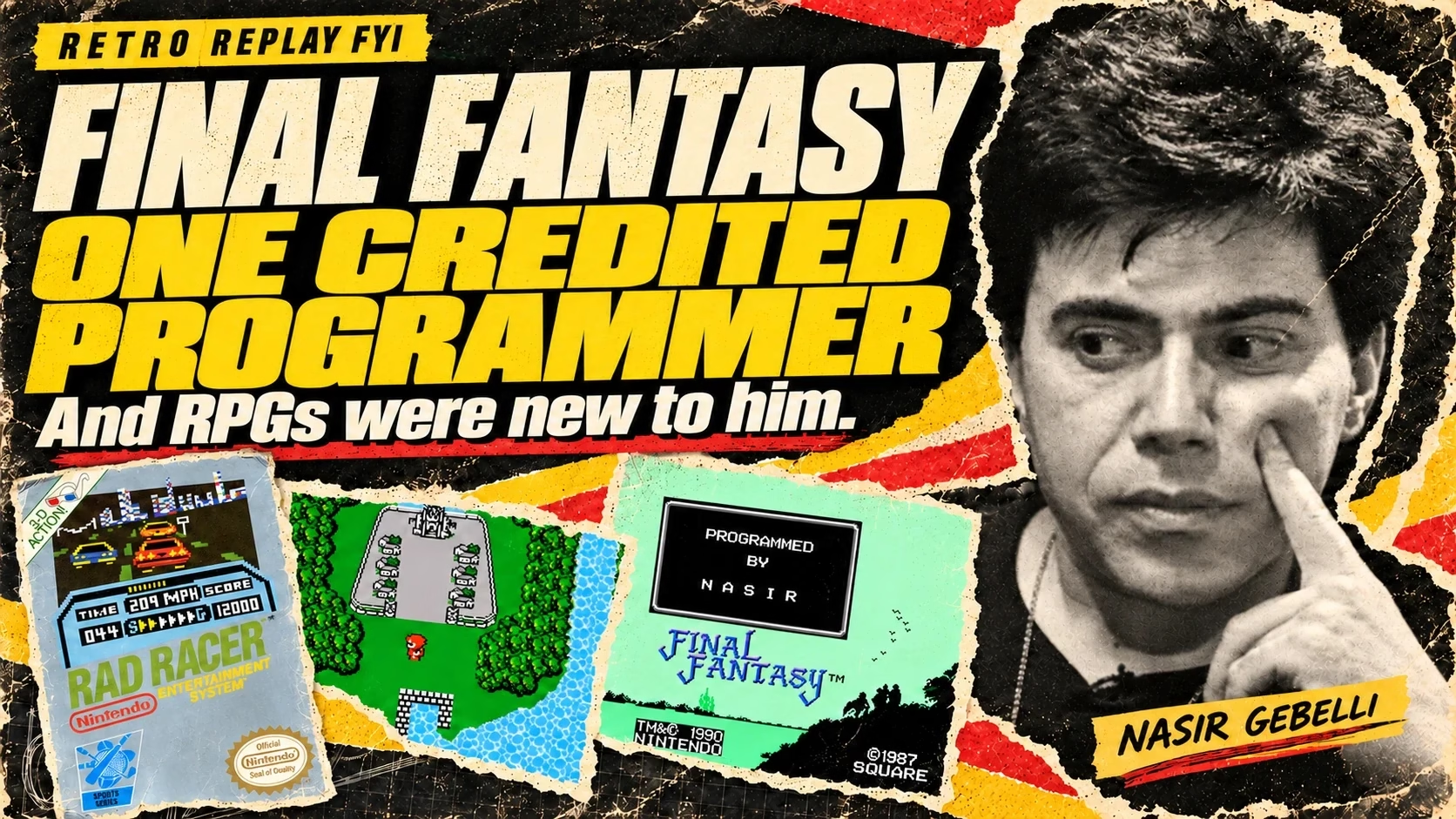
Retro Replay collage reading Final Fantasy, One Credited Programmer, And RPGs Were New to Him, with Nasir Gebelli and original game images.

The original Final Fantasy credited one person for its programming: Nasir Gebelli. One programmer, helping bring an entire RPG to the Famicom, while still needing its towns and battle screens explained to him. When Square was building the original Final Fantasy, Hironobu Sakaguchi had to walk its programmer through conventions that RPG players barely think about. There was an overworld. There were towns. And when a fight started, the game would cut… Read: Final Fantasy Had One Credited Programmer. RPGs Were New to Him.

Scott Adams Interview: Adventureland, Adventure International and the Early Indie Spirit

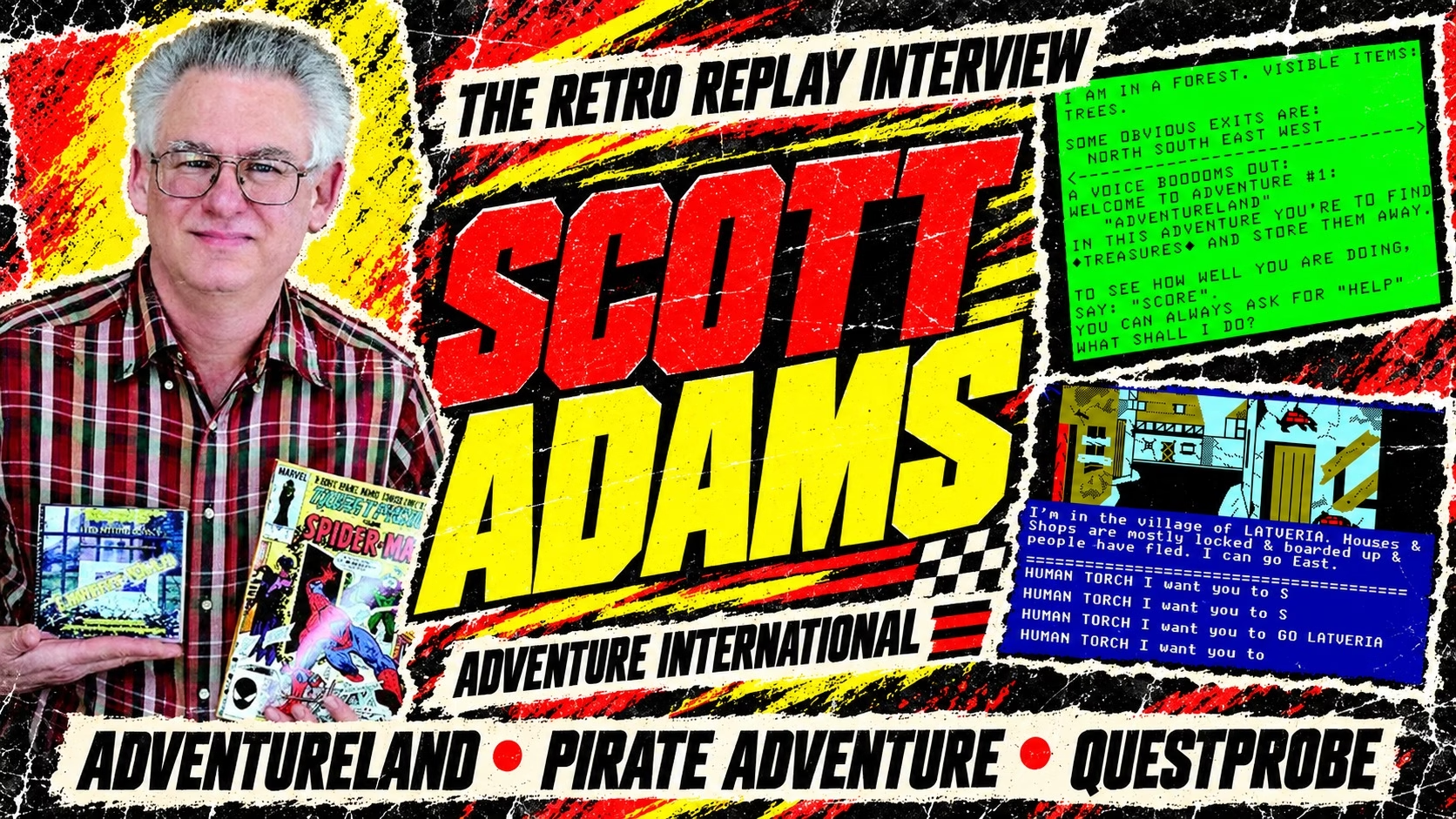
Scott Adams Retro Replay interview cover with his portrait, Adventureland and Questprobe screenshots

Scott Adams told his coworkers he was going to write an adventure game for his TRS-80. They laughed. He had spent the previous week coming into work early and staying late to play Colossal Cave Adventure, and now he wanted something like it on the computer at home. Sixteen kilobytes would have to do. Long before “indie developer” became a familiar label, Adams was making games at home and trying to sell… Read: Scott Adams Interview: Adventureland, Adventure International and the Early Indie Spirit

The History of Text Adventures: From Colossal Cave to Infocom

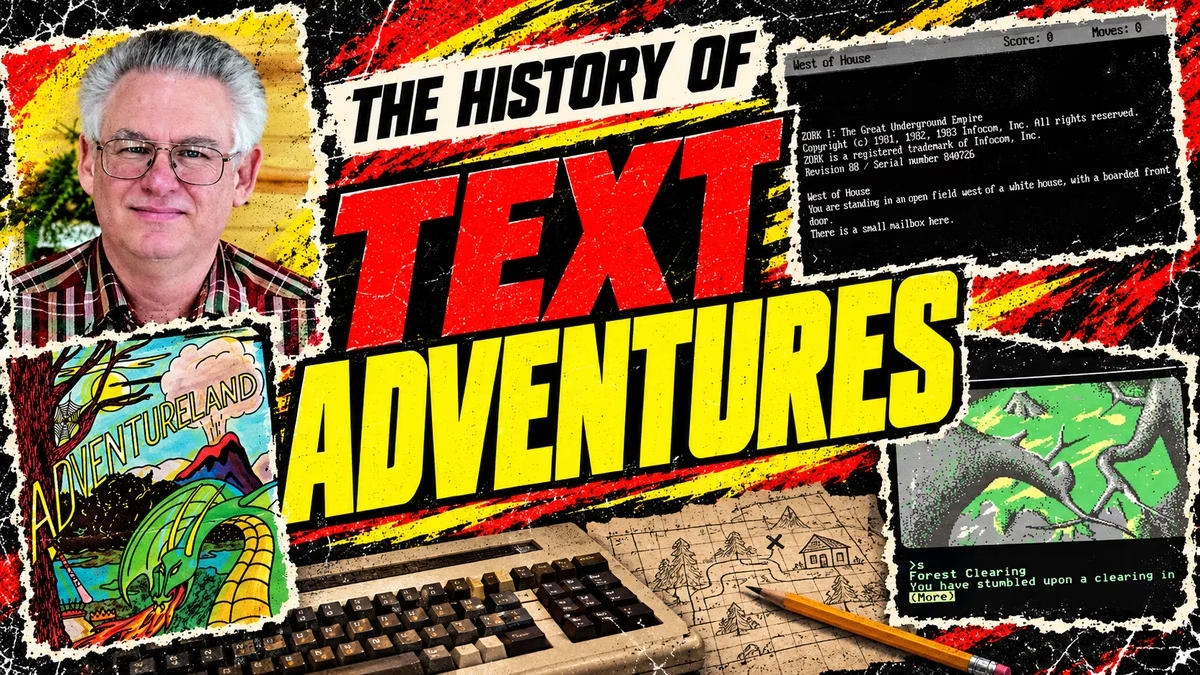
Text-adventure history collage with Scott Adams, Adventureland artwork, a Zork text screen and The Pawn

The house is locked. Knocking does not help. Neither does asking the computer to open the door again, although you give that a try. Beside the path is a mailbox. Well, you might as well look. That is how an evening disappears in Zork. You go looking for a way into a house and end up underground, carrying a sword, worrying about your lamp and wondering where the thief has put something… Read: The History of Text Adventures: From Colossal Cave to Infocom

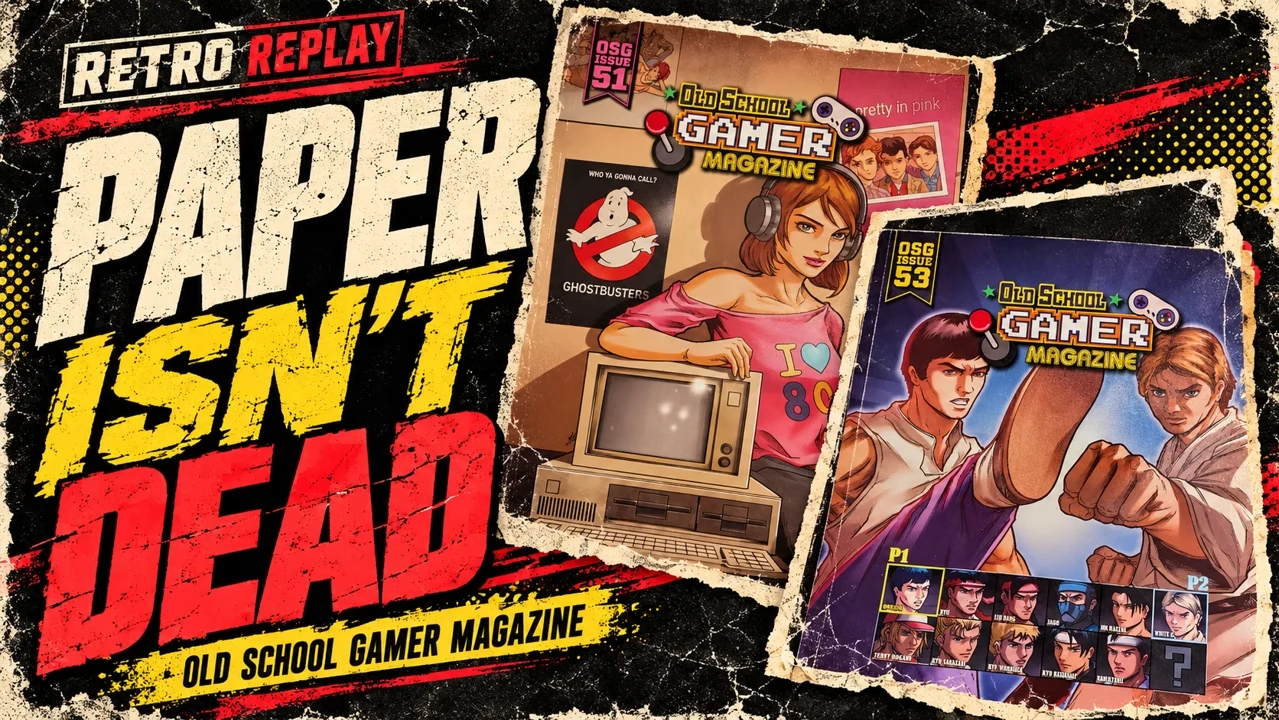
Paper Isn’t Dead: How Old School Gamer Magazine Brought Me Back

Paper Isn’t Dead editorial collage featuring photographed Old School Gamer magazine covers

I recently received a gift that left me with one very serious question: how have I been missing this in my life? The gift was a handful of issues of Old School Gamer Magazine. Actual magazines. Covers you can hold, pages you can turn, and articles that stay put while you read them. I opened one expecting a pleasant little dose of nostalgia. What I found felt like somebody had reopened a… Read: Paper Isn’t Dead: How Old School Gamer Magazine Brought Me Back

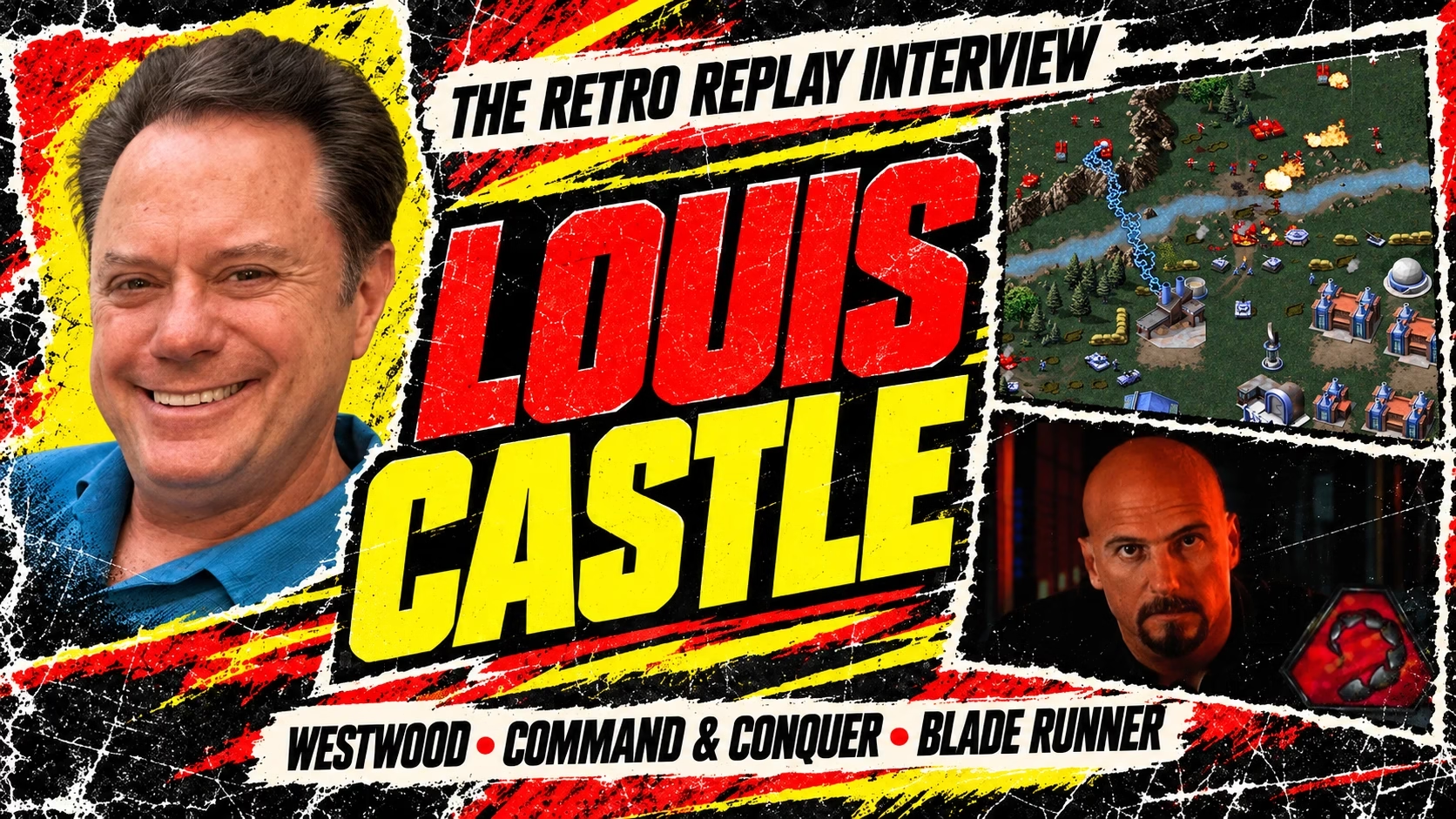
Louis Castle Interview: Building Westwood, Command & Conquer, and Blade Runner

Louis Castle interview collage with his portrait, Red Alert gameplay, and Kane

Interview by David, Retro-Replay. Before there was Tiberium, before Kane stepped in front of a camera, and before players began building bases on Arrakis, there were two friends in Las Vegas finding out what they could make together. Louis Castle was working at a computer store when he met Brett Sperry. An invitation to use a printer led to a conversation about computer art, then to a creative partnership. In 1985, that… Read: Louis Castle Interview: Building Westwood, Command & Conquer, and Blade Runner

The Complete History of Command & Conquer: Tiberium, Kane, and the War That Changed PC Gaming

Command and Conquer history collage with Kane, Louis Castle, Frank Klepacki, Tiberium crystals, and classic game battles

The harvester is miles from home. Your money is almost gone. Somewhere beyond the black edge of the map, an army is getting ready to ruin your evening. Then a voice announces “Unit ready,” the music kicks in, and you decide you can probably afford one more tank. Command & Conquer understood that particular kind of optimism. It let you build a little military empire, made you feel clever for keeping it… Read: The Complete History of Command & Conquer: Tiberium, Kane, and the War...

ES-DE Version 3.4.1

ES-DE Version 3.4.1

ES-DE 3.4.1 is a substantial update to the popular multi-platform emulation frontend, expanding Android system support, adding experimental Linux AArch64 support, improving multi-user compatibility and adding a long list of new emulator configurations across Android, Linux, macOS and Windows. Android users searching for the ES-DE 3.4.1 APK or EmulationStation APK 3.4.1 should note that ES-DE's Android release is distributed through the project's official Android channels rather than Google Play. If you are… Read: ES-DE Version 3.4.1

History of Leisure Suit Larry: Al Lowe’s Unlikely Legacy

Leisure Suit Larry: Love for Sail! logo over a colorful cruise ship

A bad idea in a very good suit Larry Laffer thinks the evening is going beautifully. He has the suit, a practiced line, and what he takes for irresistible confidence. The player can see the disaster coming from the other side of the screen. Larry cannot. That gap is the joke that carried a computer-game character through text parsers, sound cards, CD-ROMs, company upheaval, crowdfunding, and dating apps. His reputation as the… Read: History of Leisure Suit Larry: Al Lowe’s Unlikely Legacy