 Retro Replay Retro Gaming History, Reviews & Emulation
Retro Replay Review
Gameplay
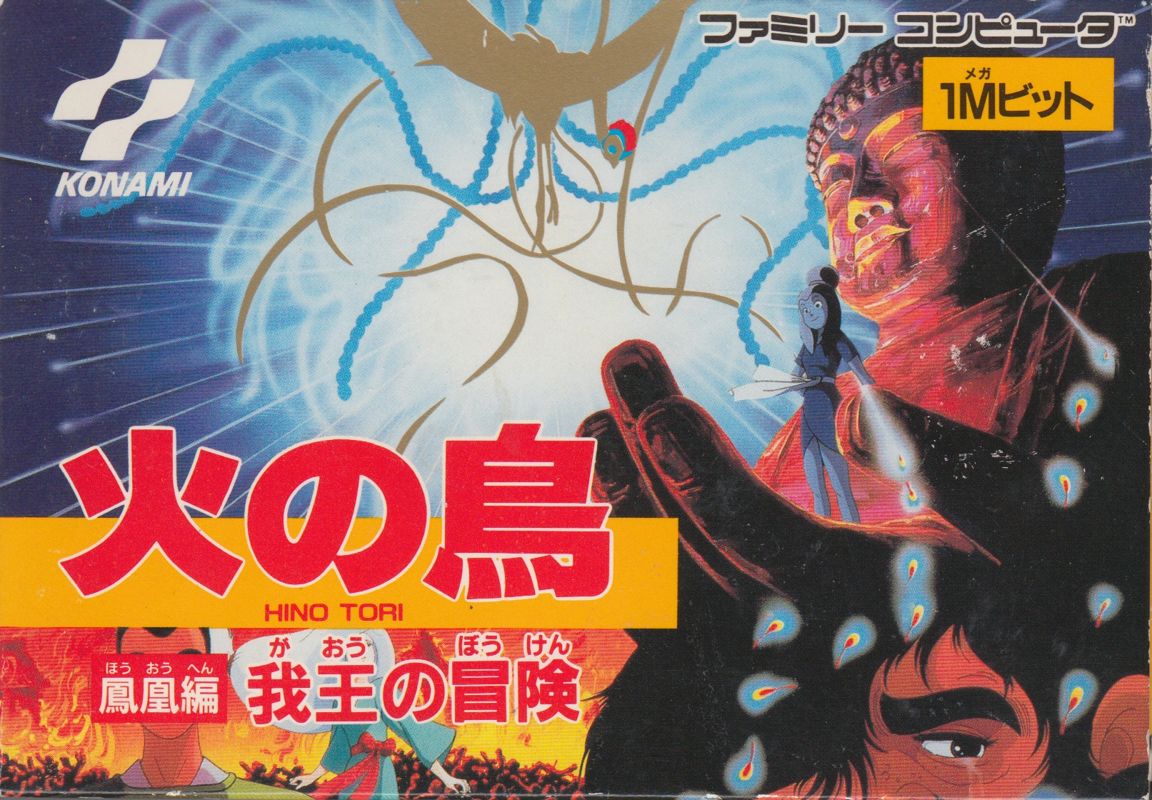
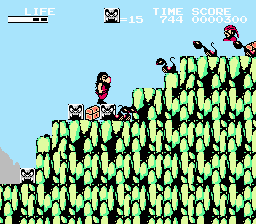
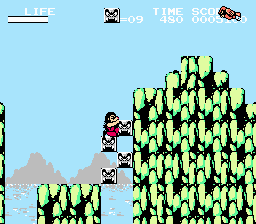
The first stretch of Hi no Tori: Hōō-hen – Gaō no Bōken feels like a platformer with a sharper edge than its simple goal suggests. You are collecting one picture-card piece from each of 16 stages, but Gaou is not merely hopping over enemies on the way there. His chisel lets him strike foes and interact with gargoyle-head statues, turning those statues into makeshift platforms. That single tool gives the game a welcome puzzle-platforming wrinkle.
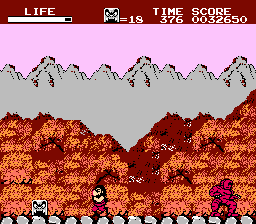
What starts to click is the need to look at a stage as a route rather than just a sprint. A statue can become the foothold that changes how you cross an obstacle, while secret warps can lead to stages in other eras. The game’s three settings—feudal Japan, the Future World, and prehistoric times—are not just a tour of locations; they feed into a structure where not every next destination is handed to you directly.
Frustration sets in because the stakes are severe: once Gaou’s three lives are gone, the game is over. That makes trial-and-error costly, particularly when you are still learning which routes and warps matter. It is a game for patient, persistent play rather than a casual evening of platforming. Still, there is a satisfying sense of progress in uncovering another card piece and bringing the full Phoenix image closer to completion.
The chisel is the reason this is worth trying for more than its license. It gives Gaou a specific rhythm and makes the stages feel less interchangeable than many early platformers. If you enjoy old NES games that expect you to replay, investigate, and earn your knowledge, this compact quest has enough unusual structure to justify the punishment.
Graphics
The game is a side-view, 2D-scrolling NES platformer, with Gaou’s chisel and the gargoyle-head statues doing much of the visual heavy lifting during play. Its three broad locales at least promise a welcome change from feudal Japan to prehistoric terrain and a Future World, rather than keeping the entire adventure in one historical setting.
Story
Gaou brings considerably heavier baggage than the average platform-game hero. Scarred by losing an arm and an eye as a baby and scorned by others, he survives as a bandit and murderer before a monk urges him toward sculpture. That rough path toward a different life gives the action an unusually serious foundation.
The manga source matters here because the story is not simply borrowing a recognizable name. Gaou’s talent for sculpture connects directly to the chisel he carries through the game, so his central tool reflects the character rather than feeling pasted onto a standard platformer. His encounters with Akanemaru and the Phoenix place the hunt for the completed image in a larger tale of rivalry, change, and the promise of eternal life.
Do not expect the 16 card pieces to turn the game into a sprawling narrative adventure. They are a clean, tangible objective: complete the image of the Phoenix. But that objective lands better because Gaou’s journey begins in cruelty and isolation, then points toward art and redemption. For a 1987 action game, that is a notably distinctive frame.
Overall Experience
Hi no Tori: Hōō-hen – Gaō no Bōken is most rewarding when you meet it on its own demanding terms. It is a short, structured hunt across 16 stages, not a forgiving platform romp, and the three-life limit can make a failed attempt feel abrupt. You will need the patience to replay and the curiosity to seek out the routes that do not sit on the obvious path.
In return, you get a platformer with more personality than its basic genre label suggests. Gaou’s chisel has a practical role in both fighting and traversal, the card-assembly goal gives every stage a clear purpose, and jumps between Japanese, prehistoric, and futuristic settings keep the journey from feeling locked into one familiar backdrop.
I would recommend it chiefly to NES enthusiasts and Phoenix fans who enjoy games that are a little strange, a little severe, and willing to make discovery part of the challenge. Its harsh life system will turn away anyone wanting a breezy run, but the payoff is a memorable licensed game with an unusually characterful hero and a genuinely engaging central tool.


Reviews
There are no reviews yet.